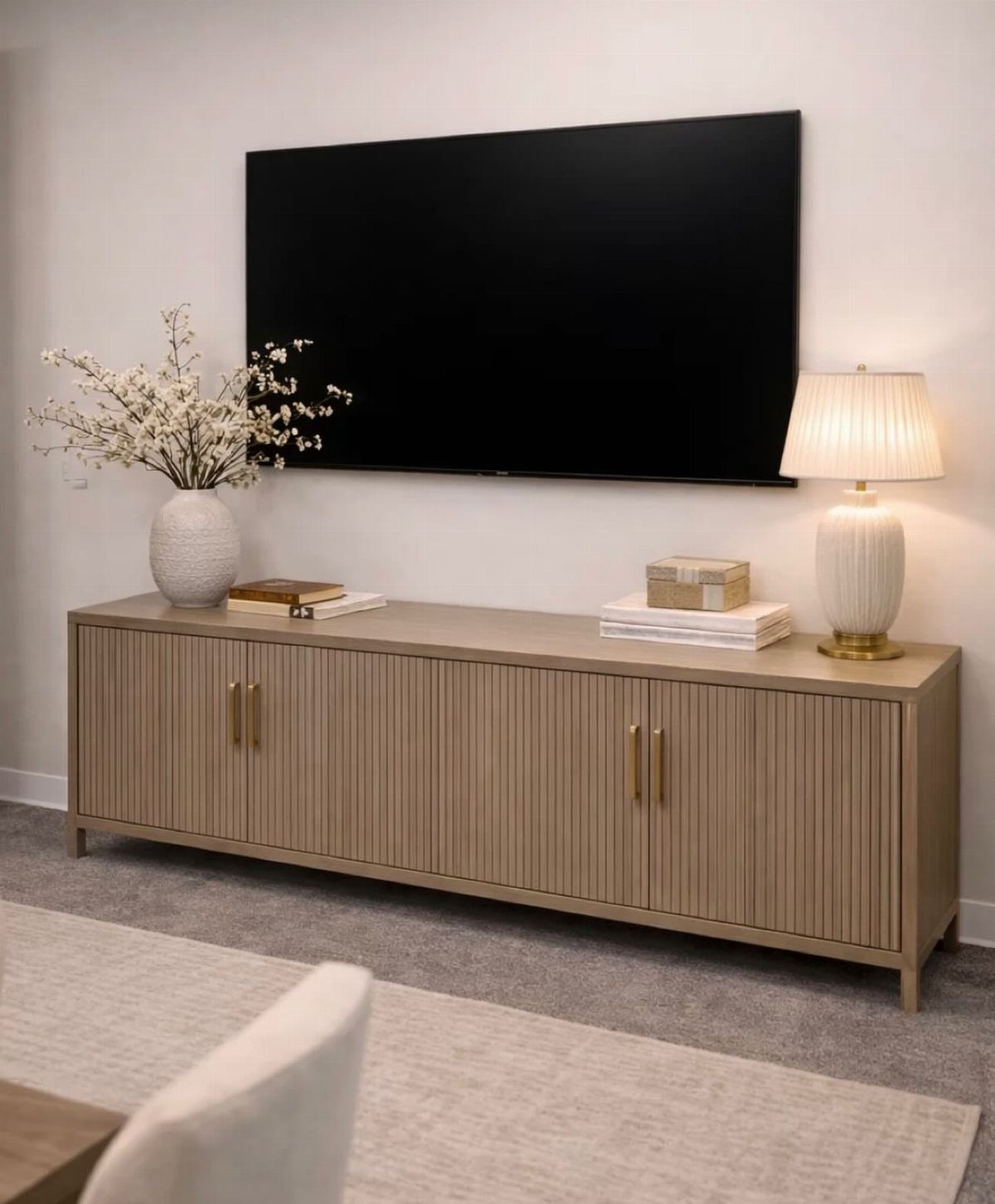
A storage cabinet in a living room ranges from a low sideboard that holds remotes and chargers to a full built-in wall that frames the television, and the right one depends on what you’re storing and how much floor space you can give up.
Cabinets with doors hide remotes and kids’ toys better than open shelves, while a bookcase with cabinet doors on the bottom and shelves up top lets you sort by what you want on display.
1. Sideboards
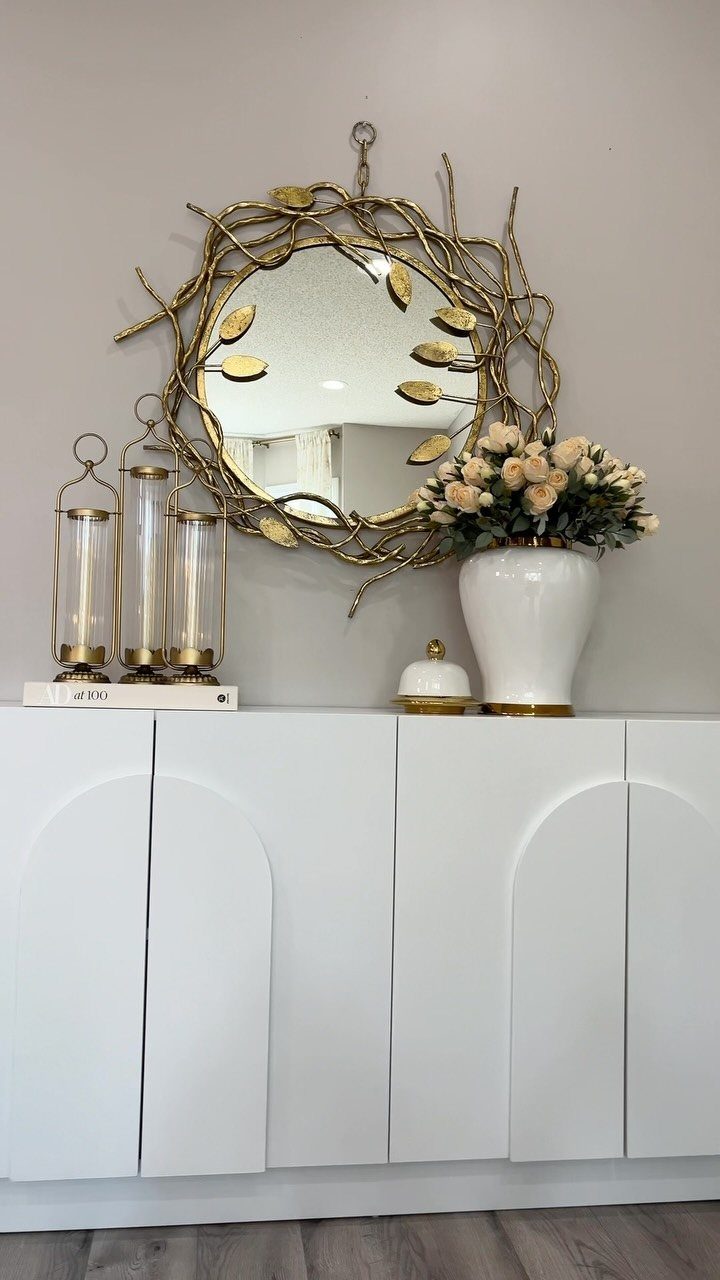
A sideboard sits against the wall and gives you closed storage for anything from table linens to board games, with a top that holds lamps, plants, or whatever you rotate through the seasons.
The flat surface keeps everyday surfaces clear. I like sideboards in rooms where you need storage but want the floor to feel open, since they take up wall space instead of jutting into the room.
They sit low on the wall, which leaves room for art or a mirror above without stacking the composition too high.
2. Media Consoles
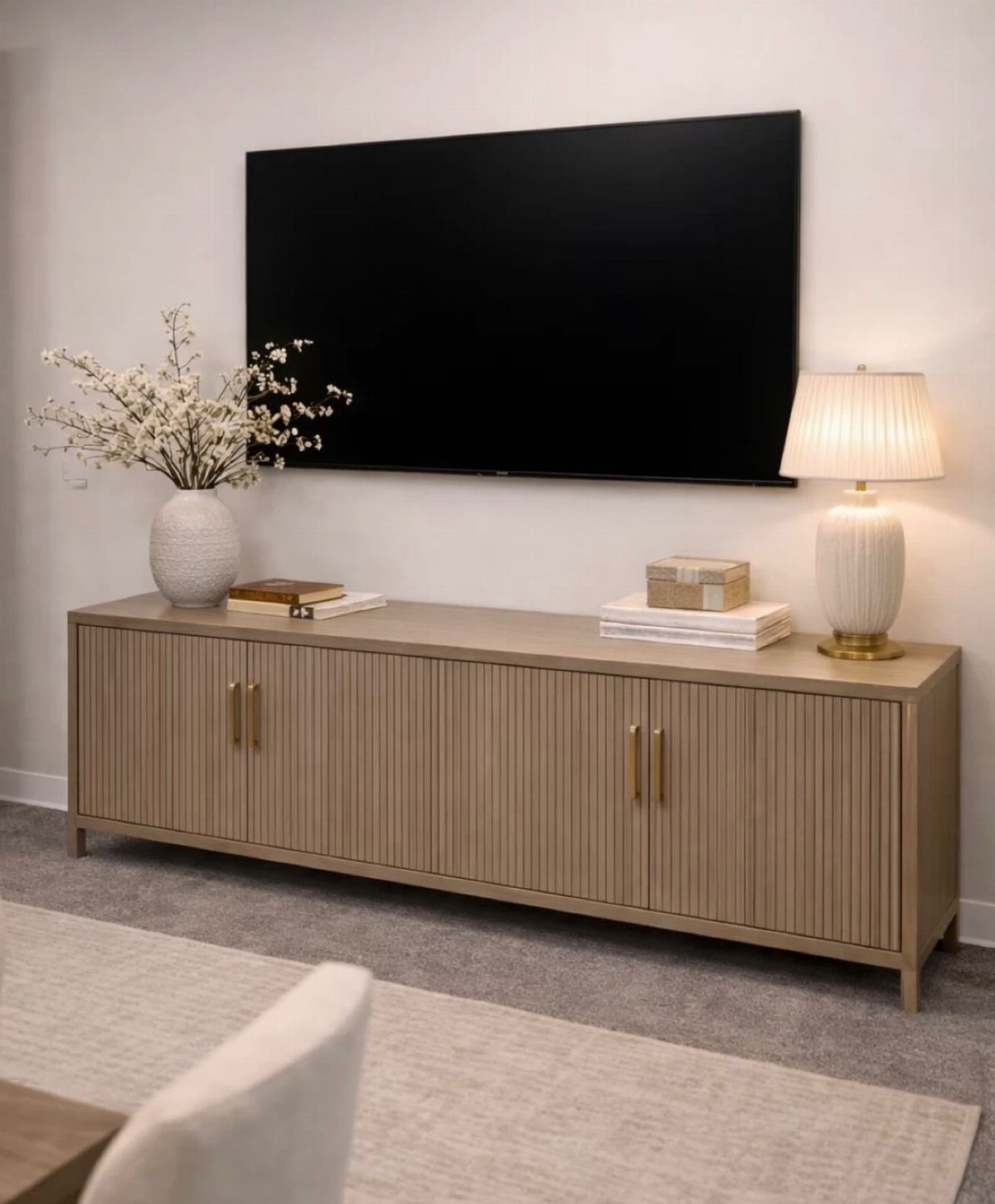
A media console anchors the television and stores remotes, gaming cables, streaming boxes, and anything else that piles up around the screen.
Cord management matters here. Look for consoles with a back panel cutout or an open back so cables can drop through without kinking.
Consoles with closed cabinets or drawers hide gaming systems and disk collections, while open shelves let equipment vent and keep remotes in reach.
Measure your TV stand width first. The console should be at least as wide as the TV base, and a few inches wider looks more balanced.
3. Bookcases
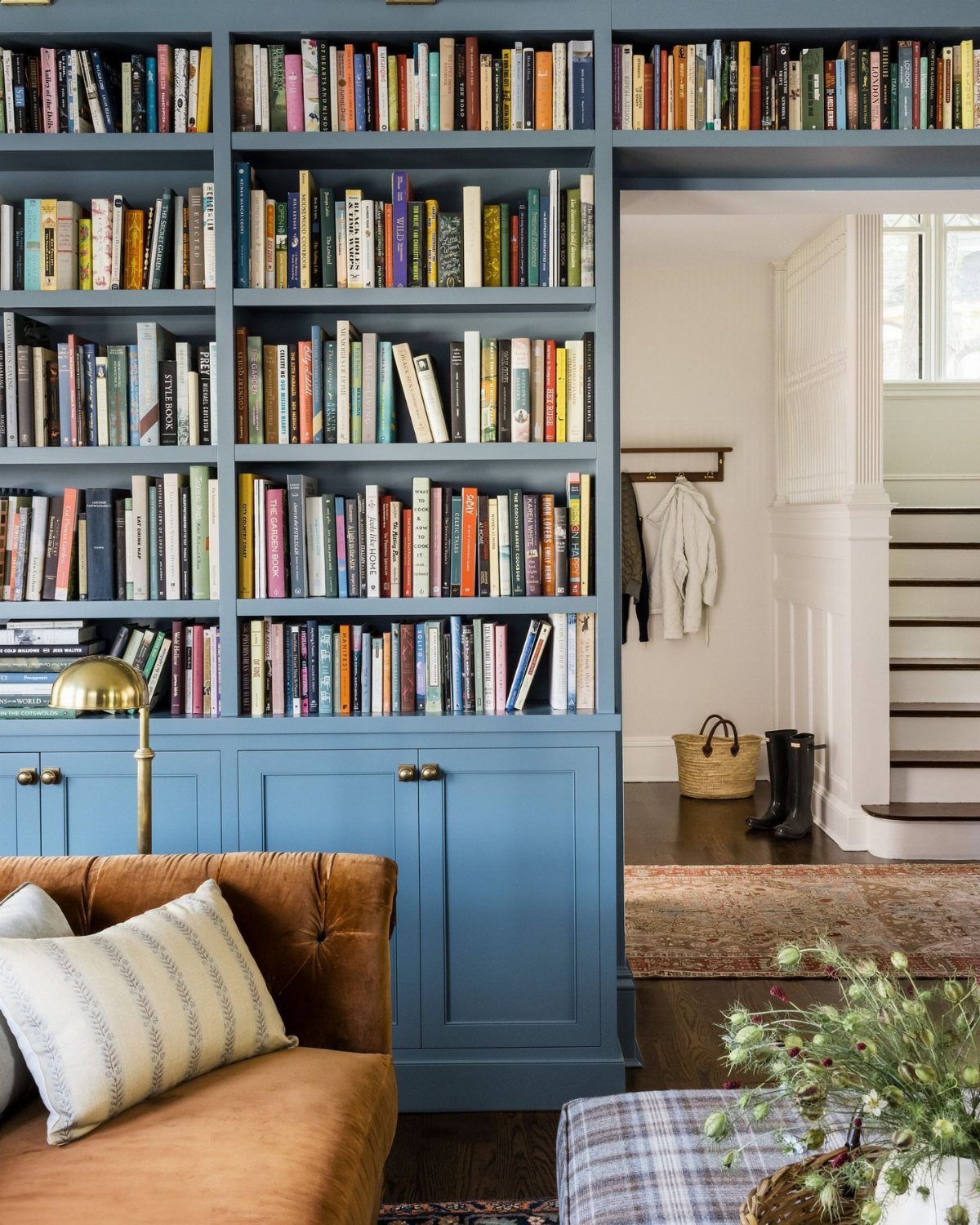
Bookcases with lower cabinets give you display space up top and hidden storage at the bottom for toys, crafts, or anything you don’t want sitting out.
The closed base hides clutter better than open shelves that run all the way down, and the upper shelves still hold books or objects you want on display.
Tall bookcases work in rooms with high ceilings. I stop the height where the top shelf stays reachable without climbing.
4. Cabinets with Doors

Closed cabinets hide the mess, which matters when you’re storing toys, DVDs, or anything that multiplies faster than you can organize it.
Doors keep dust off what’s inside and give you a clean front to look at instead of a pile of remotes and chargers.
Cabinets with both doors and drawers give you two types of storage in one piece: pull-out drawers for quick access and enclosed space behind doors.
Pick a finish that matches your other furniture, or go with something that contrasts if you want the cabinet to stand out as a focal point.
5. Dressers
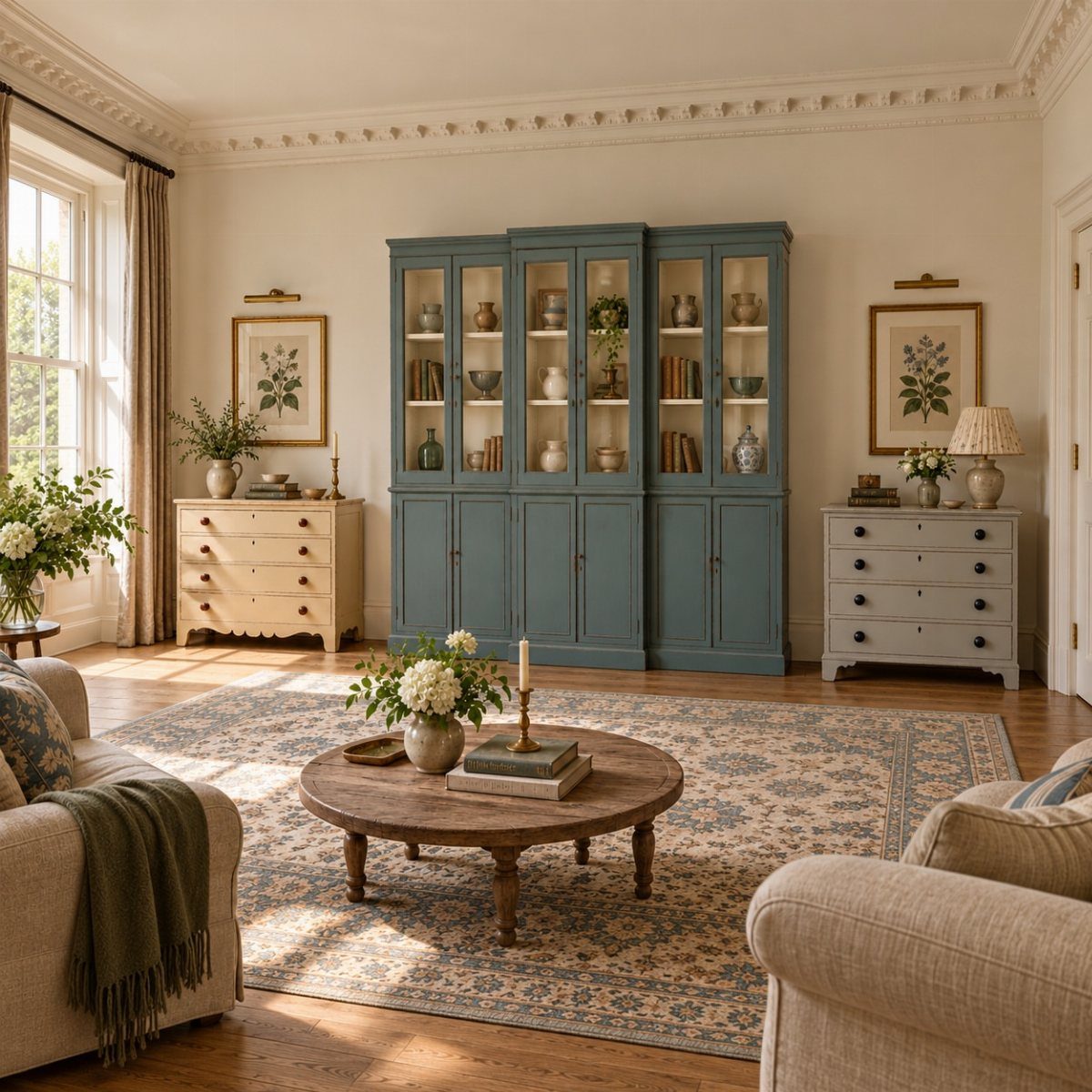
Dressers work outside the bedroom when you need drawer storage for blankets, kids’ art supplies, or anything that doesn’t belong on a shelf.
The wide, low shape fits under windows and gives you another surface for lamps or decor. I’ve used a dresser as a TV stand in a small living room where a dedicated console would have felt too heavy.
Deep drawers hold bulky items like throws or board games better than shallow ones. Shallow drawers suit smaller things like batteries, tape, and the random cables that always need a home.
6. Display Hutches
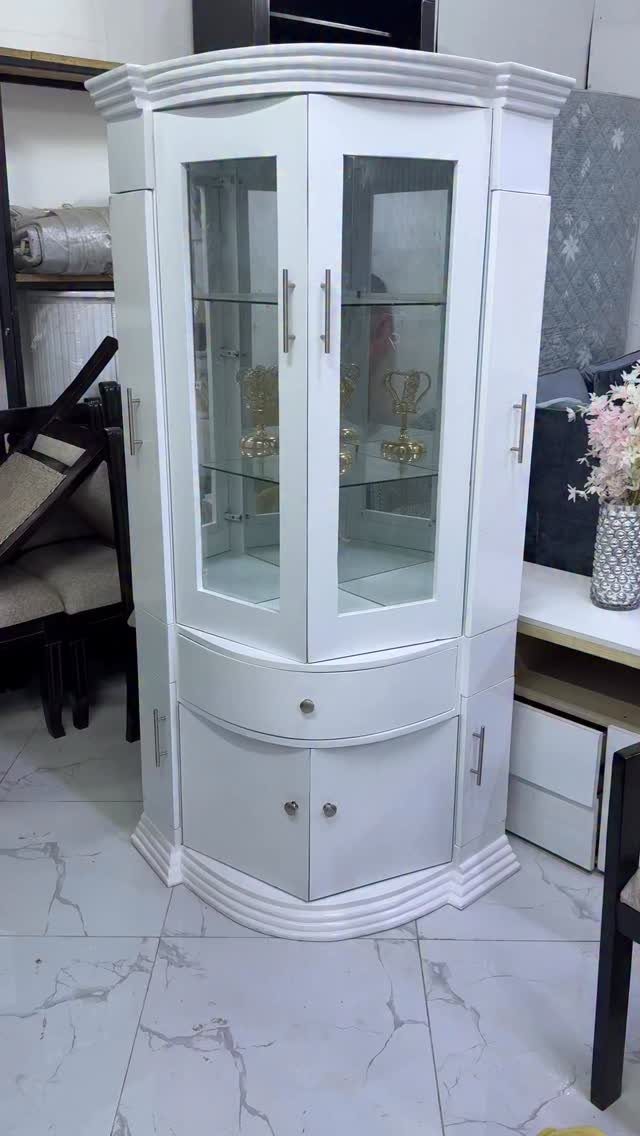
The glass doors keep dust off dishes, trophies, or anything you display but don’t handle daily. Hutches with interior lighting make the display more intentional, especially in a room without much natural light.
Hutches take up vertical space, so they suit rooms with high ceilings or blank walls that feel unfinished. In a smaller room, a light-colored base can draw the eye up and add height.
7. Built-in Cabinets
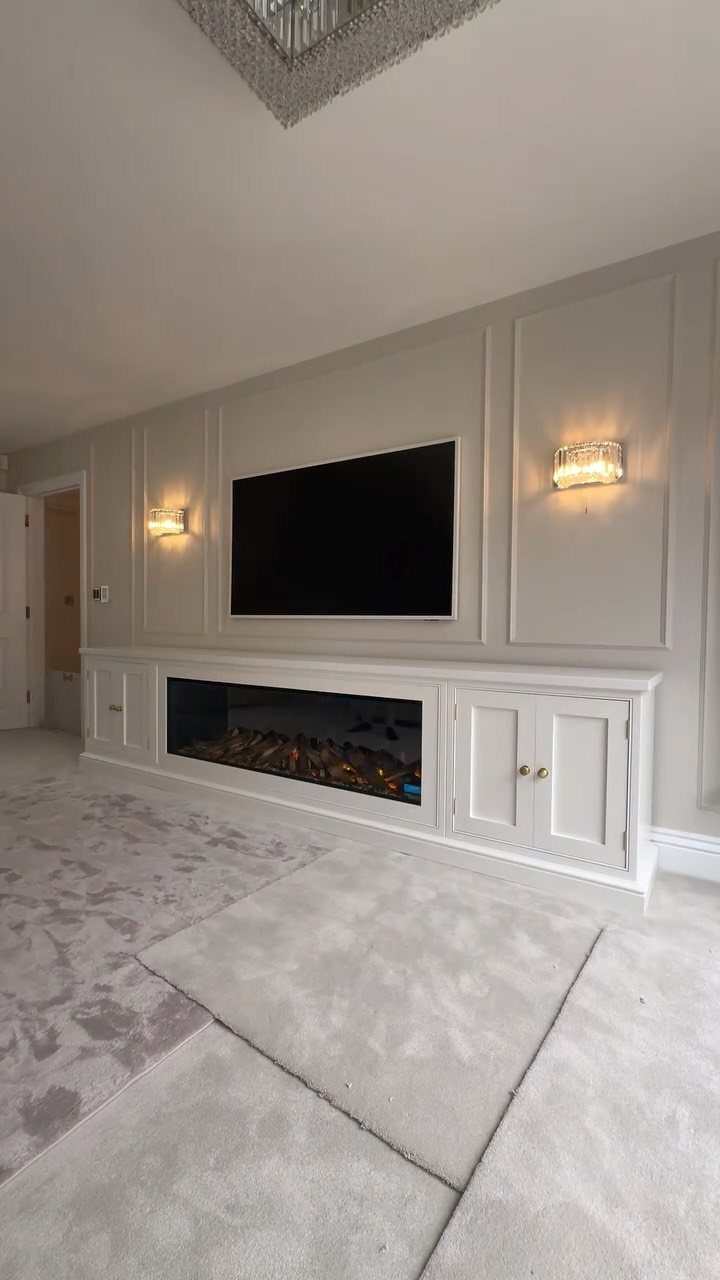
Built-in cabinets line the wall around the television and look like they were designed for the room, even when they’re stock units installed side by side.
The continuous front hides wires, gaming systems, and anything else that collects near the screen. I find built-ins suit rooms where the TV wall is the main focal point and you want storage that doesn’t read as furniture.
Adding a fireplace insert in the center cabinet turns the setup into a full media wall. The cabinets flank the fire and keep the composition symmetrical.
8. Cabinet Bookcases
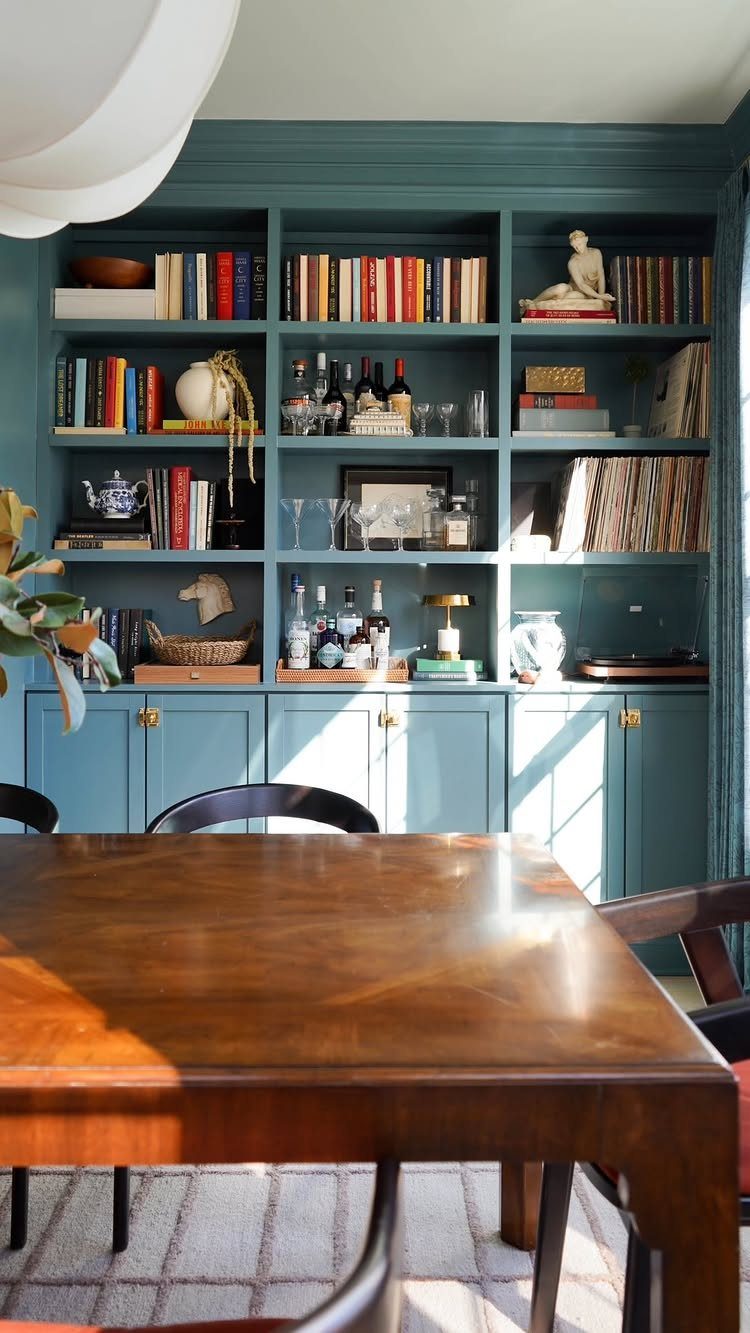
Cabinet bookcases put doors on the bottom half and open shelves up top, so toys and office supplies stay behind doors while books and decor sit out.
The division makes sorting easier. Anything that looks messy or needs to stay out of reach goes in the cabinets, and the open shelves hold what you want visitors to see.
In a room with tall ceilings, these reach up instead of spreading out along the wall. Shorter units work under windows or in tighter corners where a full bookcase would block light.
9. Wood Storage Cabinets

Wood cabinets bring warmth into a room and suit everything from modern spaces to traditional ones, depending on the finish and door style.
Light wood keeps the piece from looking heavy, which helps in smaller rooms or next to darker furniture. Darker wood adds weight and works when your walls, sofa, and rug stay neutral.
Cabinets with both drawers and doors let you sort items by size. Small things like remotes and batteries go in drawers, bulkier items behind doors.
10. Cane-door Cabinets
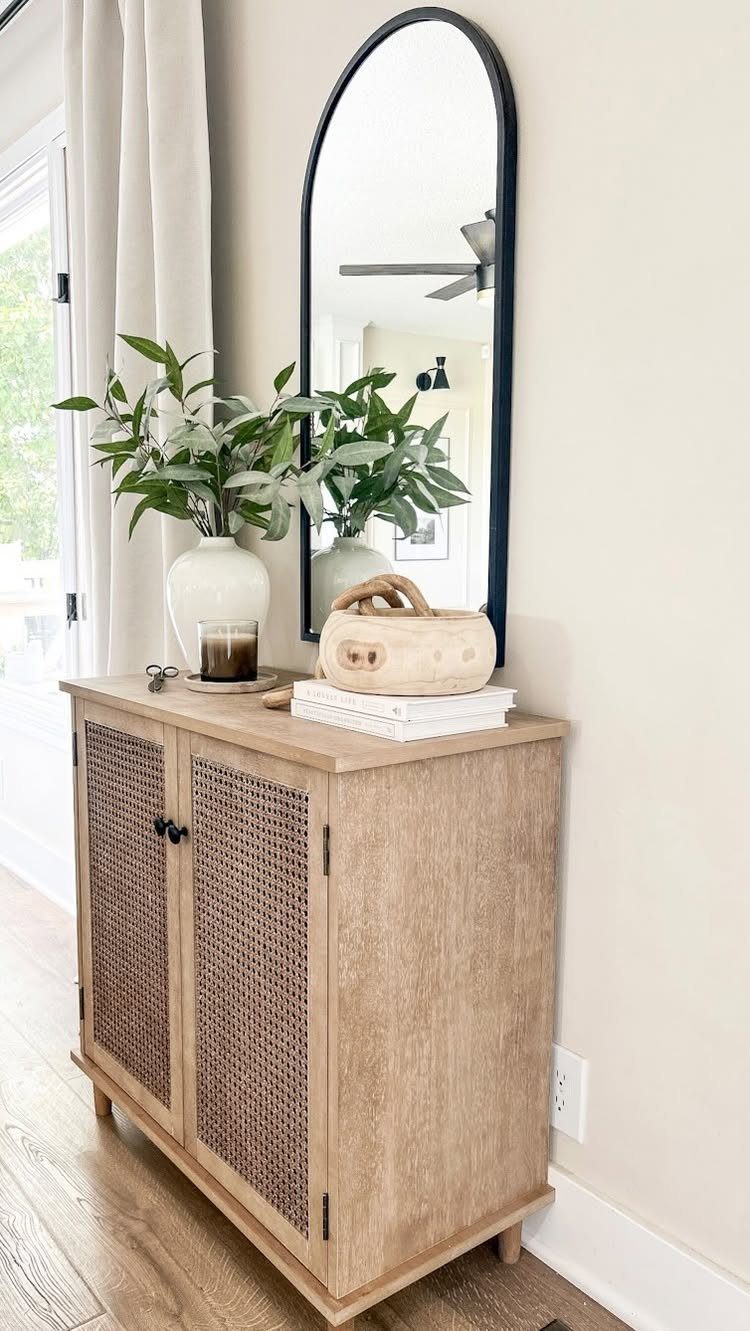
Cane doors soften the look of a closed cabinet and let electronics breathe, so remotes work through the front without opening the door every time.
The woven texture adds detail without pattern, which suits rooms where solid doors would feel flat but glass feels too formal. Cane works with both light and dark wood finishes.
Cabinets with cane inserts usually cost more than plain-door versions. If budget matters, look for flat-panel doors with cutouts you could add cane webbing to yourself.
11. Lit Display Cabinets
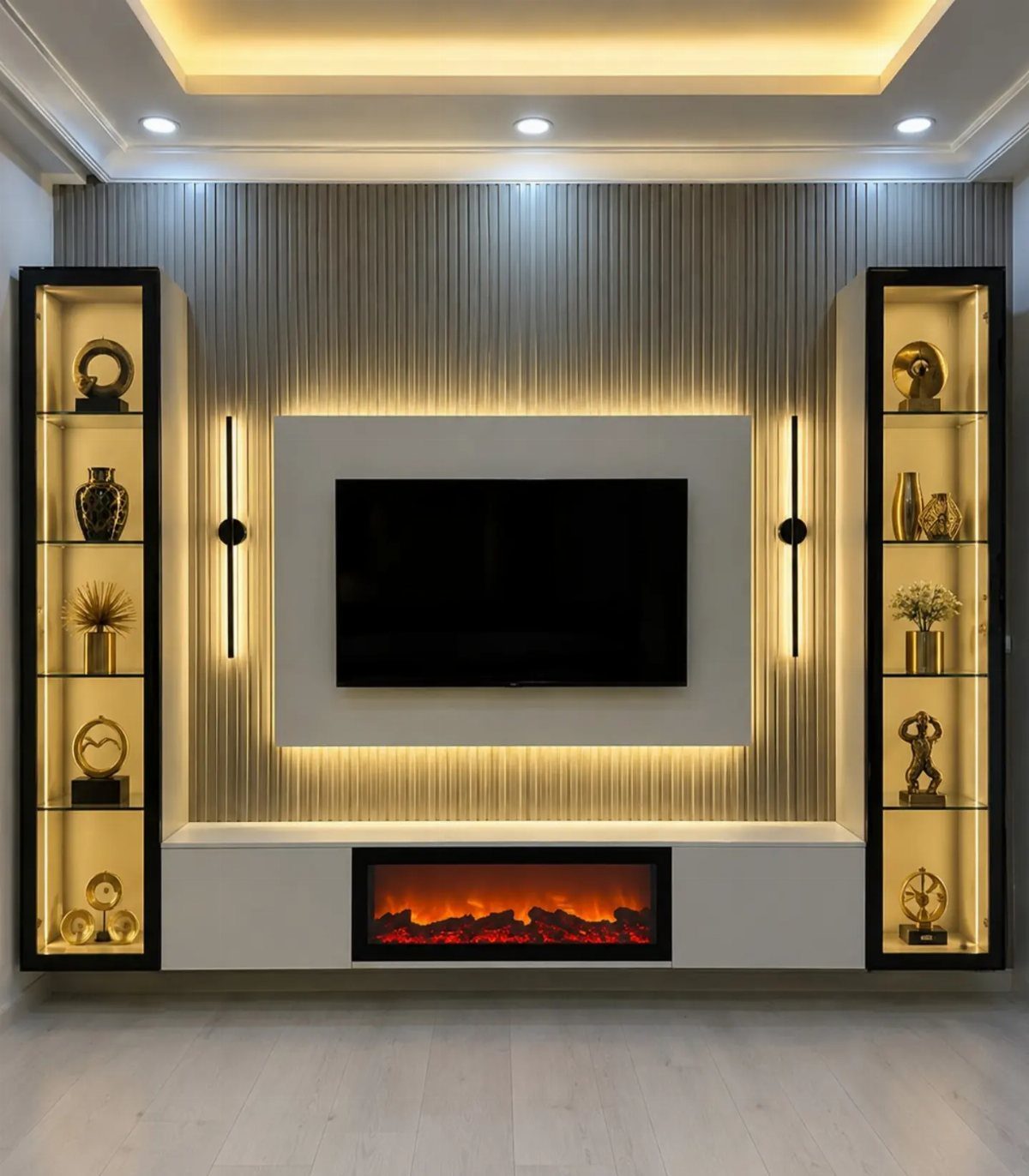
Interior lights turn a storage cabinet into a display case and draw attention to what’s inside, whether that’s glassware, trophies, or collected objects.
That glow makes it feel intentional rather than accidental, particularly in a dim corner or a basement room.
Battery-operated puck lights stick to the top of the cabinet, or wired LED strips run along the inside if you can reach an outlet.
Glass shelves let light pass through to lower levels. Wood or solid shelves block it and leave the bottom half dim.
12. Open Shelving

Open shelves let you reach what you need without opening doors and give you space to rotate books, plants, or seasonal decor without rearranging a whole cabinet.
Shelves show everything, so they suit rooms where you keep items sorted and like how they look on display. If you’re storing things you’d rather hide, cabinets with doors work better.
Adjustable shelves give you more flexibility as what you store changes. Fixed shelves keep the installation simpler but lock you into one height.
13. Storage Benches
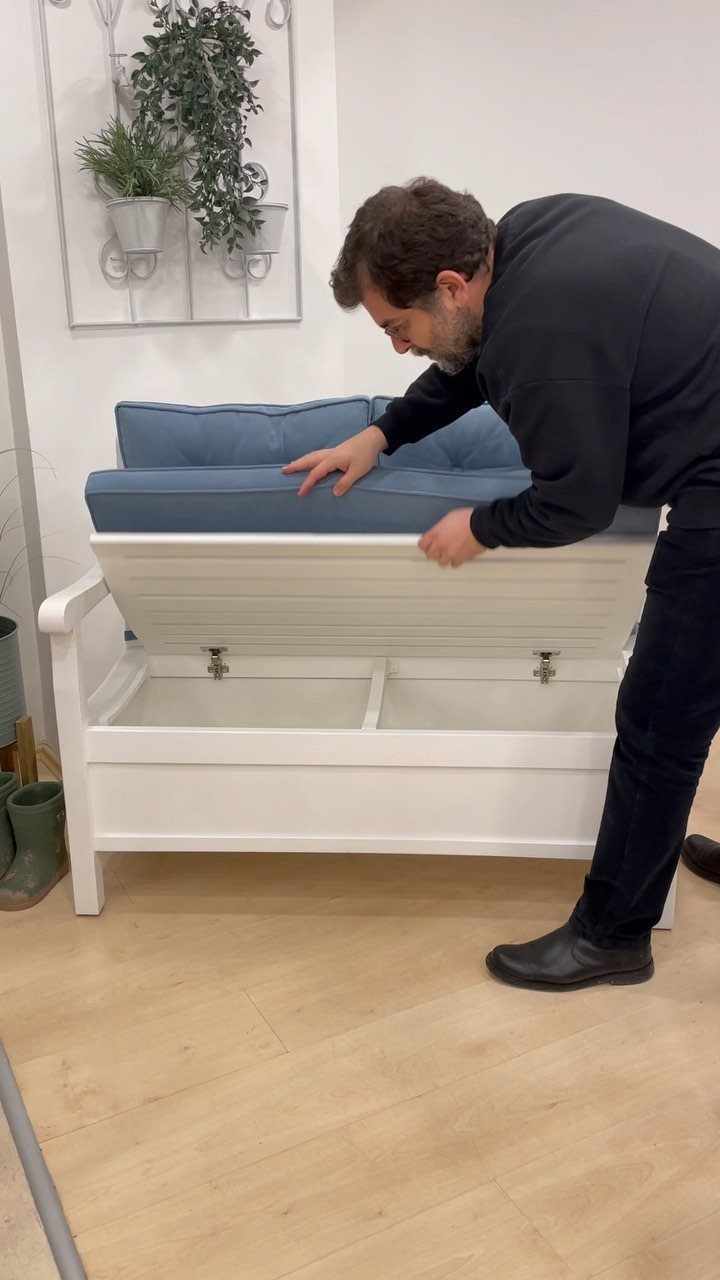
A storage bench sits along the wall and holds shoes, throws, or toys inside while giving you a place to sit and pull on boots or set down a bag.
The hinged lid lifts to reach what’s inside, and the cushioned top makes it seating instead of just another box. A low bench fits under a window where a taller cabinet would block the light.
Benches work near entryways or in rooms where floor space is tight and you need furniture to do 2 jobs. The depth matters: a shallow bench holds smaller items, a deeper one fits bulky blankets or out-of-season gear.
14. Cabinet as Bench

A low cabinet becomes a window seat when you add a cushion on top, and the cabinet doors or drawers underneath hold whatever needs a home.
The cushion turns storage into seating without losing the floor space a separate bench would take. Foam cut to size and wrapped in fabric fits the top, or a bench cushion in the right dimensions drops on without custom work.
This setup suits bay windows or any spot where you want seating but need the storage more. The cabinet needs to be sturdy enough to hold weight and the right height for sitting.
Measure Fit and Traffic
Measure the room and every doorway, hallway, and turn between the delivery entrance and the wall where the cabinet will sit.
A piece that looks right for the room can jam in a narrow door frame, block at a stair landing, or refuse to angle through a basement corridor.
Start with the room dimensions, then measure the full route from entry to final position.
Sketch the main routes.
Keep the main walkway clear. A general recommendation is 30–36 inches for walkways and about 42 inches between facing sofas.
Choose Storage by Use
Match the cabinet to what it will hold. Shelves or drawers suit books and magazines.
Doors conceal electronics and toys, so the room reads cleaner when you look across it. Ample interior space holds bulky blankets or pillows.
A workable default is two-thirds closed and one-third open, then adjust that ratio for wall length, room scale, and how much you actually want on display.
If toddlers live here, put bins they can reach in the lower cubbies. If children do not, doors and drawers keep clutter out of view.
Doors and drawers need swing room, so measure the clearance in front of the cabinet while you are still deciding which one to order.
Secure and Support Cabinets
Anchor tall bookcases and wall-mounted shelving so they do not tip. Match the fastener to the wall type and the weight the cabinet will carry.
For DIY cabinets, locate a stud and screw the cabinets in.
Check that they are level before you tighten the hardware. Add feet at the base for support if the cabinet sits on the floor.
Frequently Asked Questions
What is the best storage cupboard for a bedroom?
A dresser with deep drawers works well in bedrooms for storing folded clothes, extra linens, and bulky items like throws.
What are the types of storage cabinets?
Living room storage includes sideboards, media consoles, bookcases with lower cabinets, closed door cabinets, dressers, display hutches, built-ins, cabinet bookcases, wood cabinets, cane-door cabinets, lit display cabinets, open shelving, and storage benches.
Each type handles different needs, from hiding clutter behind doors to displaying collections on open shelves.
What is the ideal number of shelves for a storage cabinet?
The right number depends on what you’re storing: plan shelf spacing around the tallest item you need to fit, then add or remove shelves to fill the cabinet height without leaving large gaps.
How do you choose the right storage cabinet for a living room?
Match the cabinet to what it will hold: shelves or drawers for books and magazines, doors to hide electronics and toys, and ample interior space for blankets or pillows.