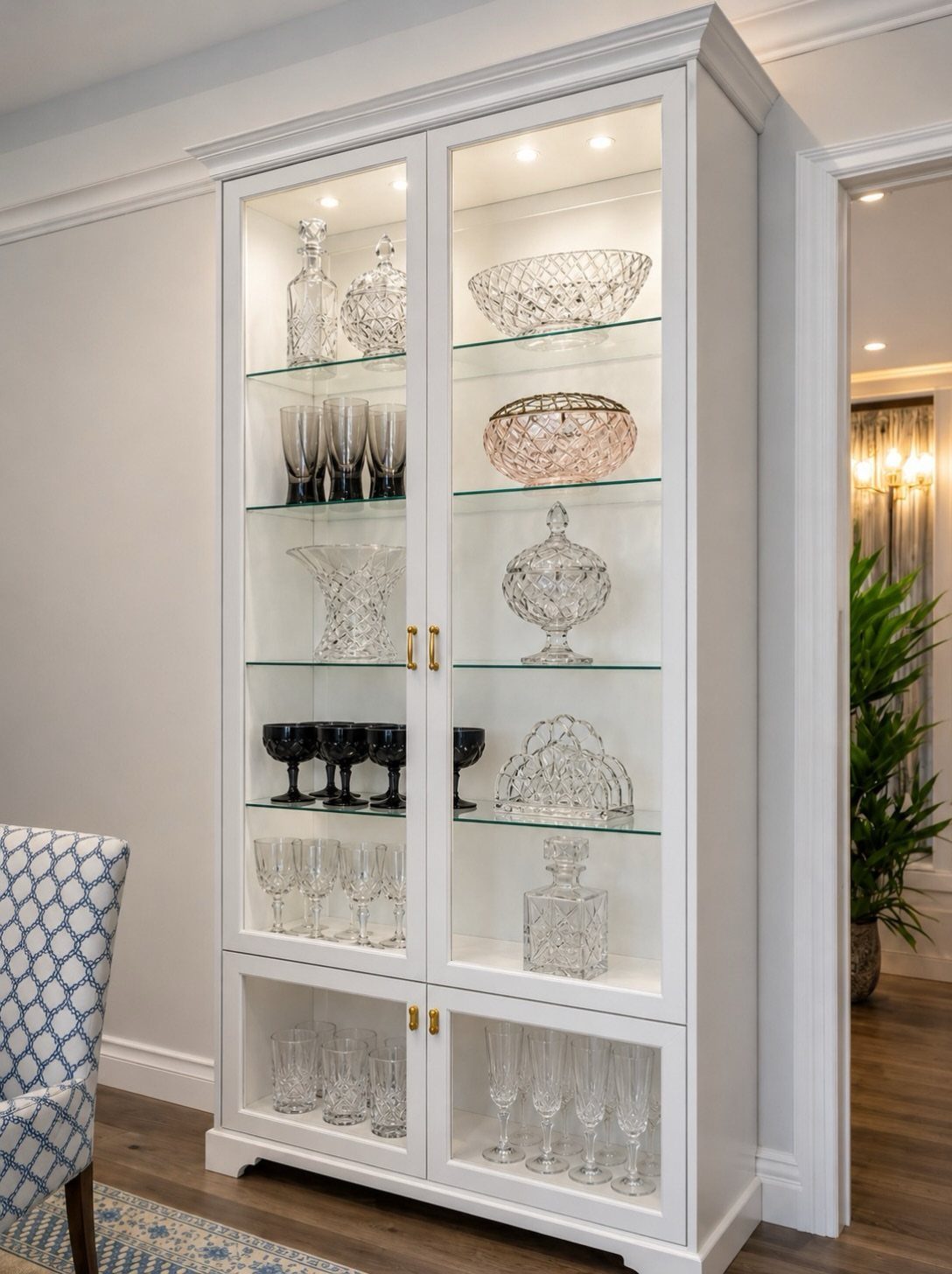
An armoire in the dining room solves the problem of where to put dishes, linens, and glassware without lining the walls with built-ins or leaving everything out on open shelves.
The right piece depends on whether you need closed storage to hide what’s inside, glass doors to display china, or a low buffet that doubles as a serving surface during meals.
A vintage armoire costs less than built-in cabinetry but still uses vertical space, while a corner cabinet fits tight spots where a full hutch would block circulation.
Interior lighting, whether battery-operated puck lights or LED strips, makes glass and colored pieces stand out after dark.
1. Glass-door Display Cabinet
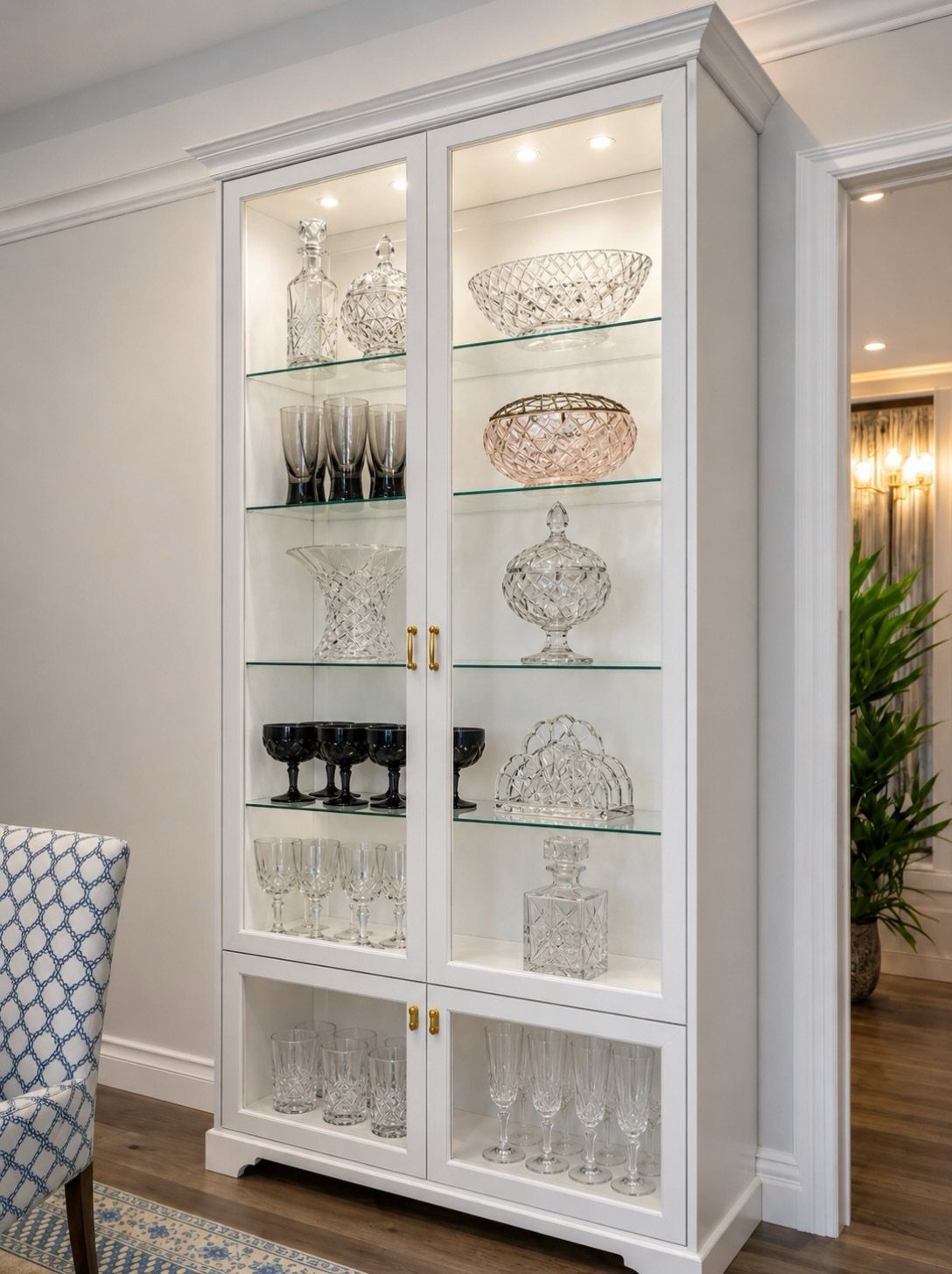
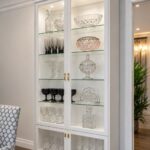
Glass doors let you see what’s on the shelves without opening the cabinet, which keeps things organized and makes the display part of the room’s look.
I’d use this for glassware or serving pieces you want visible but protected from dust.
Interior lighting adds a layer of polish. Even a battery-operated puck light on each shelf makes crystal and colored glass stand out at night, and the cabinet reads as a deliberate choice rather than purely functional storage.
2. Dining Room Hutch
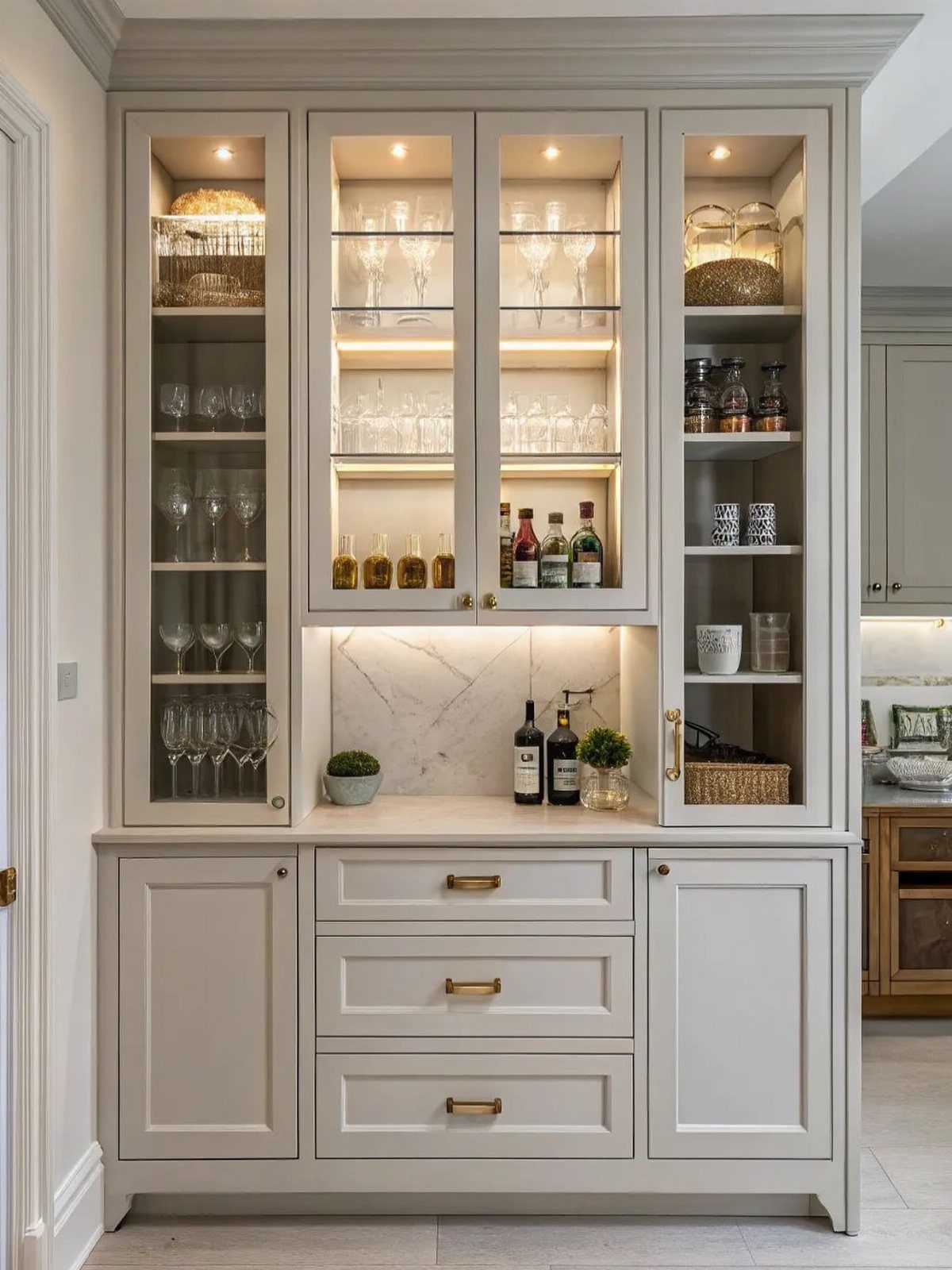
A hutch stacks display space over a lower cabinet, so you get open or glass-front shelves for dishes and closed storage for linens or serving pieces below.
That combination works in a smaller dining room where you need both in a single piece of furniture.
The upper shelves sit at eye level for arranging your best china or seasonal pieces. The lower half becomes a buffet surface during meals, and the drawers hold flatware or napkins where you can reach them quickly.
3. Built-in Dining Cabinets
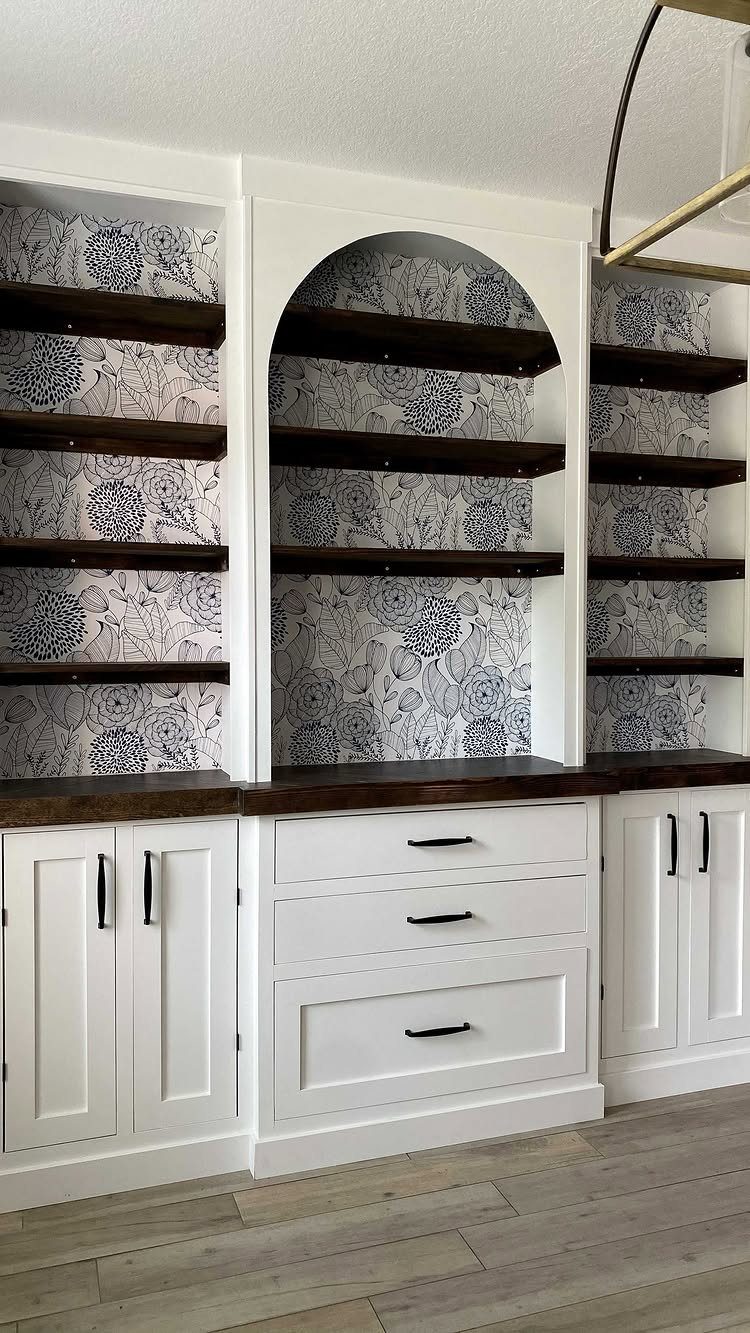
Built-in cabinetry turns a full wall into storage, and because it’s custom-fitted to the space, you can run it floor to ceiling or wrap it around a window.
That makes the most of an awkward dining room layout or a wall that would otherwise need several separate pieces.
The cost is higher than freestanding furniture, but the return is a room that feels finished rather than assembled.
I’d add shallow upper shelves for display and deep lower cabinets for serving pieces, so every item has a logical spot and nothing sits out on the table between meals.
4. Dining Room Sideboard
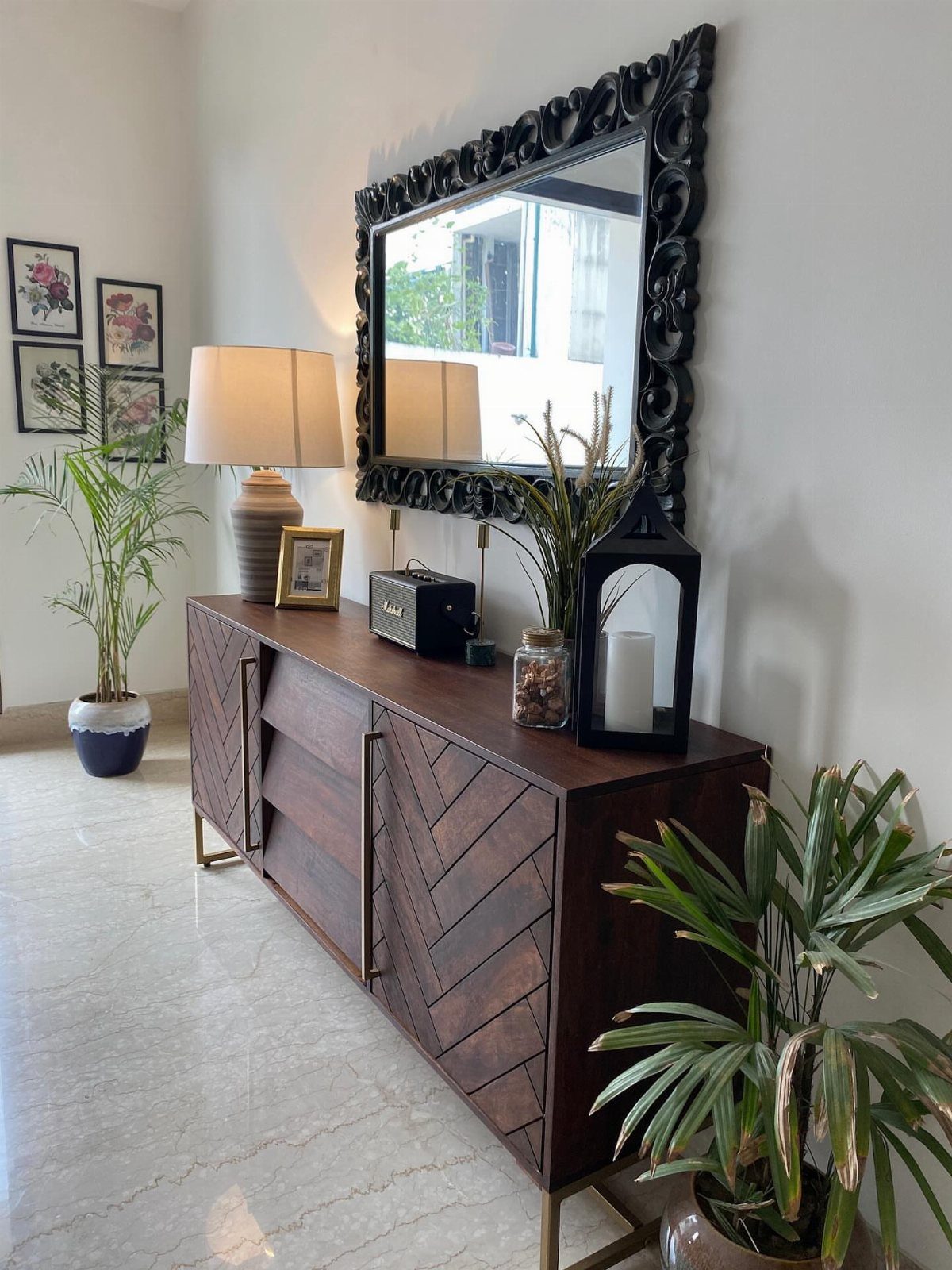
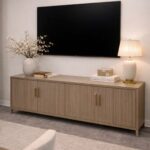
A sideboard gives you a low cabinet for storage and a flat surface for serving, which is useful during dinner parties when you need somewhere to set out dishes or drinks within reach of the table.
They sit below artwork or a mirror without blocking the sight line across the room.
I look for one with at least 2 drawers for flatware and napkins, plus cabinet space for platters or bowls.
The top also becomes a staging area for a lamp, flowers, or seasonal decor when the room isn’t set for a meal.
5. Vintage Armoire
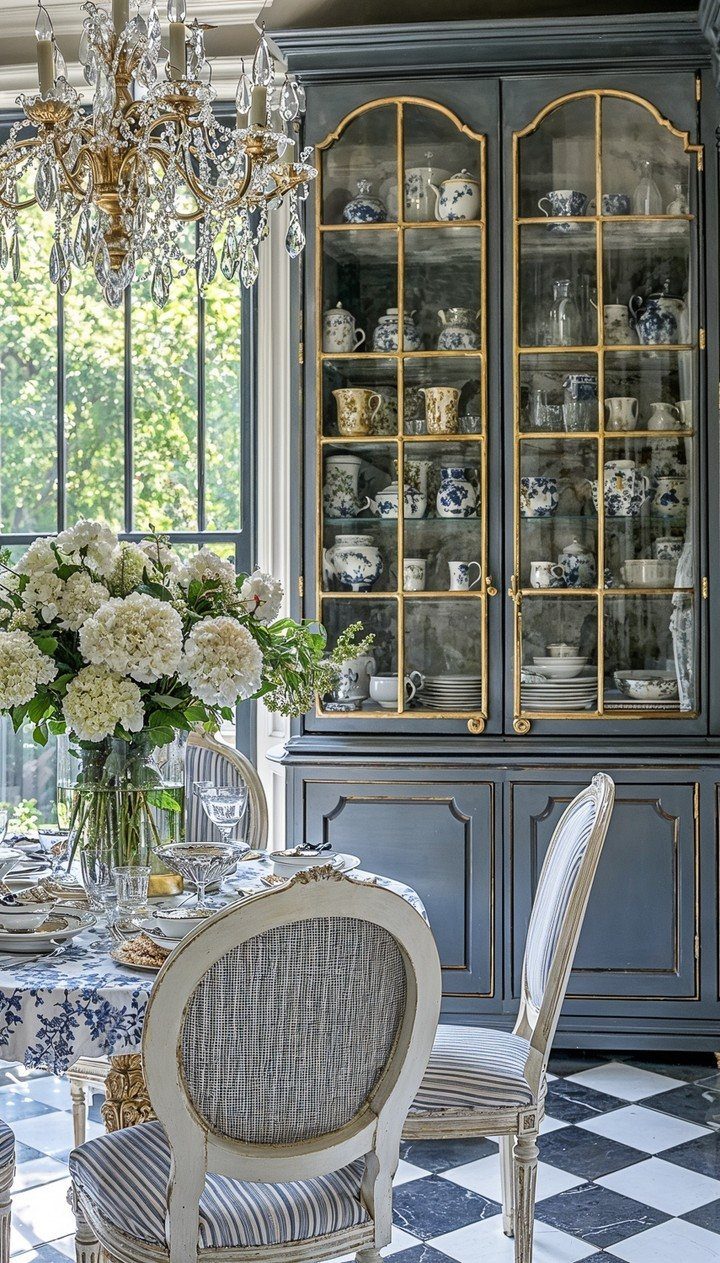
A vintage armoire brings wood grain, carved details, or painted finish that newer pieces skip, and it gives the dining room a collected look instead of a matched-set feel.
I’d look for one with glass or solid doors depending on whether you want to display china or hide less decorative storage.
Older armoires often come deeper than modern cabinets, which means more room for large serving platters or stacked bowls.
If the interior shelves are fixed, you can add shelf pins yourself to adjust the spacing for taller items like pitchers or cake stands.
6. Arched Glass Cabinet

An arched top changes the cabinet’s profile, so it reads as a statement piece rather than purely functional storage.
The person who made this one now keeps 3 in her home and says she’d add more if space allowed.
I’d use it for white ceramics or colored glassware that shows up against the black frame, and leave a few shelves partly empty so the arch itself stays the focus.
7. Freestanding Dining Armoire
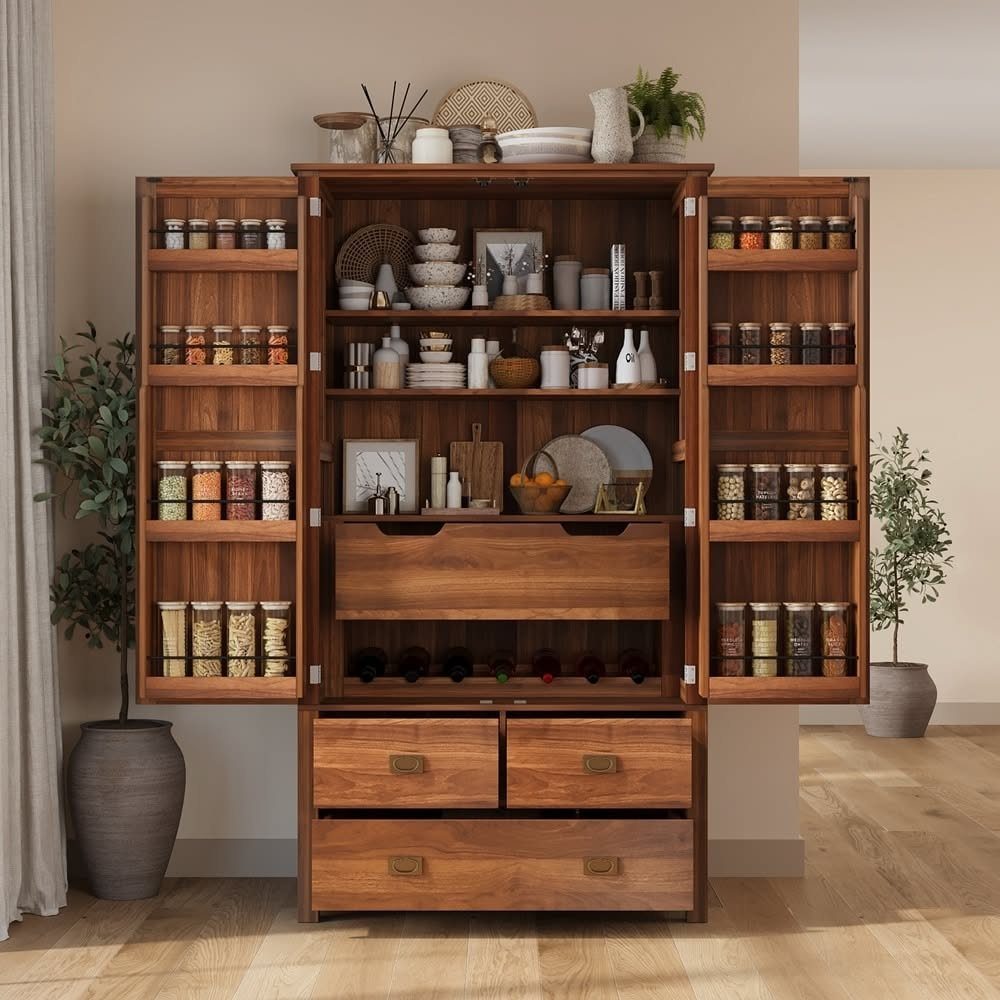
A freestanding armoire gives you enclosed storage for dishes, linens, and bottles without built-in work or the commitment of a fixed piece. The doors close, so what’s inside stays out of sight until you need it.
Taller models use vertical space, which matters in a small dining room where floor area is tight. I’d keep everyday items on the lower shelves and stack less-used serving pieces or seasonal glassware up top.
8. Dining Buffet
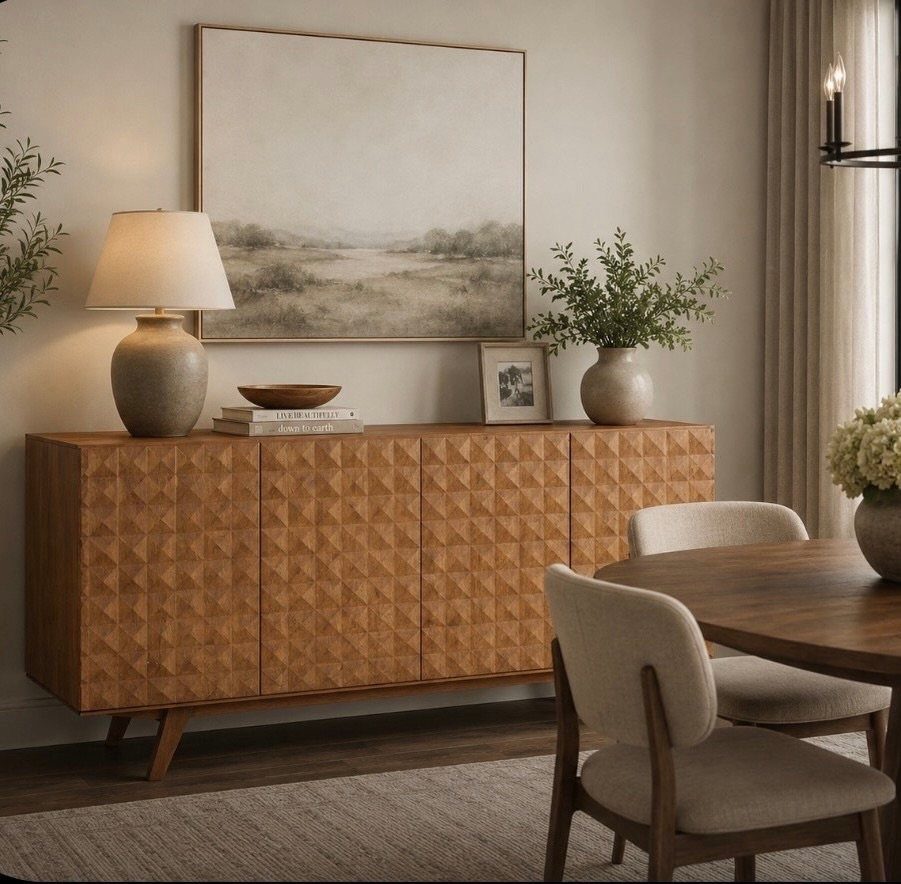
A buffet sits low enough that you can hang a mirror or large artwork above it, and the flat top becomes serving space when you set out food or drinks during a meal.
Pair it with a separate hutch if you want open display shelves without buying one tall unit.
The separation lets you start with the buffet and add the hutch later if your storage needs grow.
9. Dining Curio Cabinet

A curio cabinet shows off what’s inside through glass, and the narrow footprint fits spaces where a full hutch would crowd the room. I’d use one for glassware or small serving pieces that look better displayed than hidden.
2 matching cabinets flanking a window or sideboard create symmetry without filling the wall. The glass doors keep dust off while letting you see what’s on each shelf, so the contents stay part of the room’s look.
10. Bakers Rack
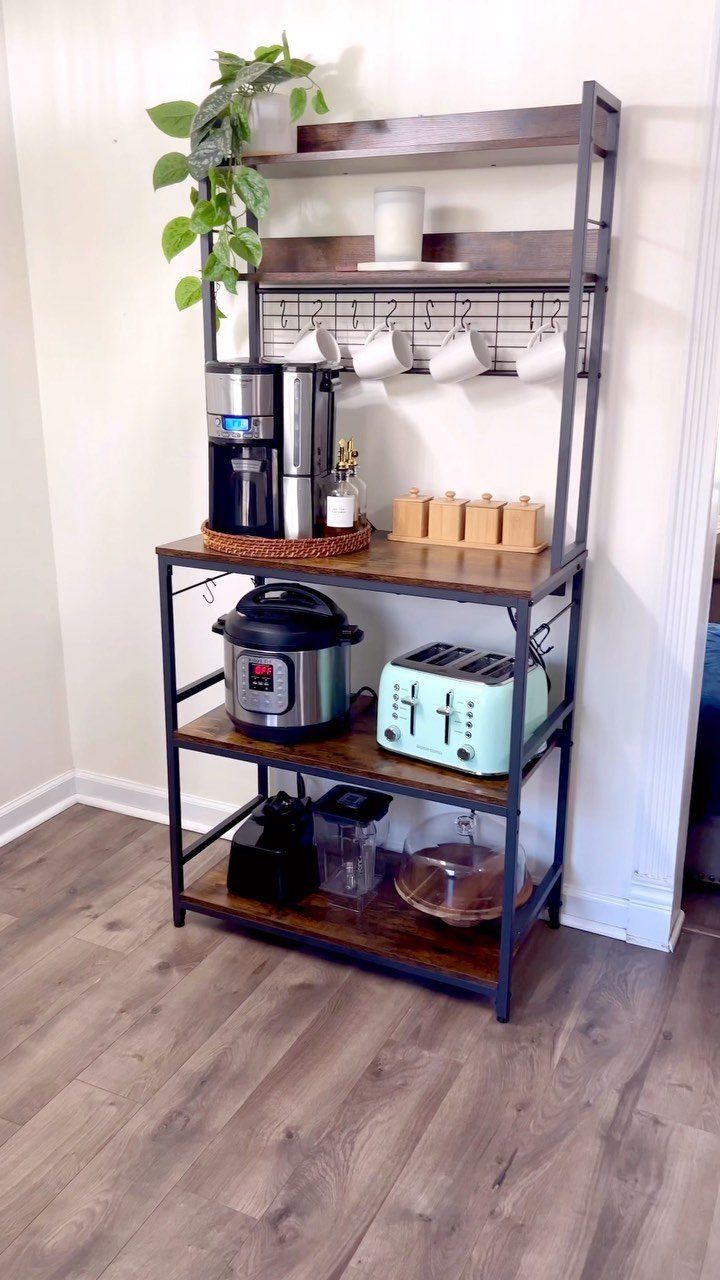
A bakers rack gives you open shelves on a metal or wood frame, so everything stays visible and within reach. The base can hold small appliances or bottles, and the upper shelves work for dishes or glassware you use often.
Because the shelves are open, it suits a space where you want easy access over a formal display. I’d keep it for everyday items rather than fine china, since there’s no door to protect anything from dust or spills.
11. Bar or Wine Cart

A cart moves where you need it, so you can roll it next to the table during dinner and back against the wall afterward. That flexibility suits a small dining room where permanent furniture would block the flow.
The top tier holds bottles or glasses, and lower shelves fit whatever you keep on hand. I’d choose one with a rim or raised edge on each shelf to keep things from sliding off when you move it.
12. Small Accent Cabinet

A small cabinet tucks into a corner or against a short wall where a full armoire won’t fit. It holds enough for extra napkins, candles, or a few serving pieces and leaves you far more floor space than a sideboard.
The top becomes a spot for a lamp, a plant, or a bowl, so the cabinet adds function and a place to layer in decor. I’d use it in a tight dining area where every piece needs to work hard.
13. Armoire Decor

Baskets on top of the armoire add storage and break up a tall silhouette. I’d use them for extra napkins, placemats, or seasonal items that don’t need to stay hidden.
The top surface also works for a vase, a stack of books, or a small lamp if the ceiling clearance allows it. That layers in function without needing another piece of furniture in the room.
14. Dining Corner Cabinet
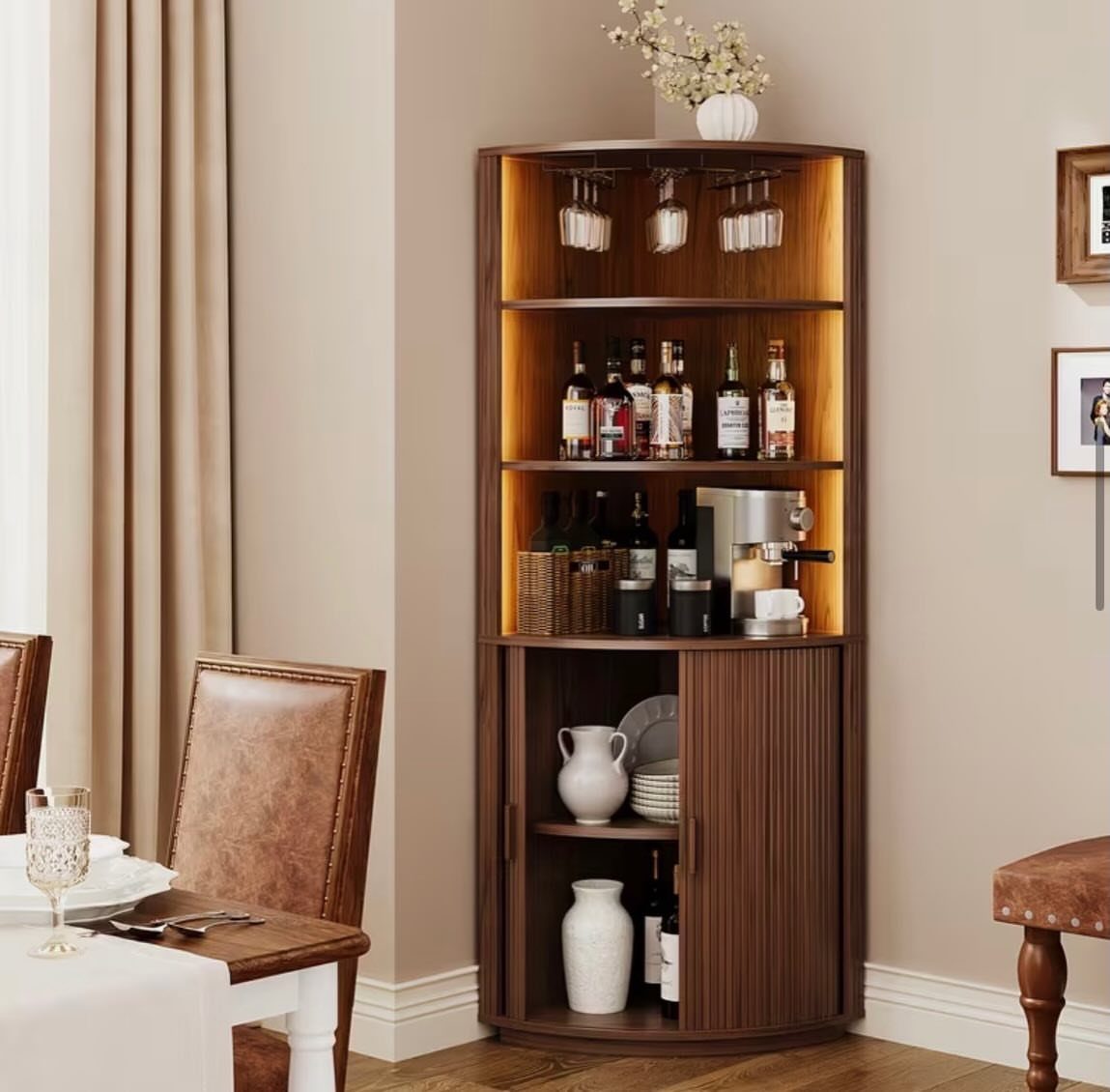
A corner cabinet fits where a full-width piece would block circulation, and it turns an empty corner into usable storage.
Closed storage below hides less attractive items like extra napkins or serving pieces. Interior lighting makes the open section readable at night, which matters if you use this as a bar setup.
15. Wine Storage Cabinet

A wine cabinet combines bottle racks with shelf space for glasses and a cooler for whites or rosé, so you get everything in one unit instead of spreading wine storage across the room.
That setup works if you entertain often and want wine within reach of the table.
The glass doors let you see what’s stocked without opening the cabinet. I’d use the upper shelves for stemware and the lower racks for bottles you’ll open soon, so the cooler holds backups.
16. Dining Cabinet Lighting
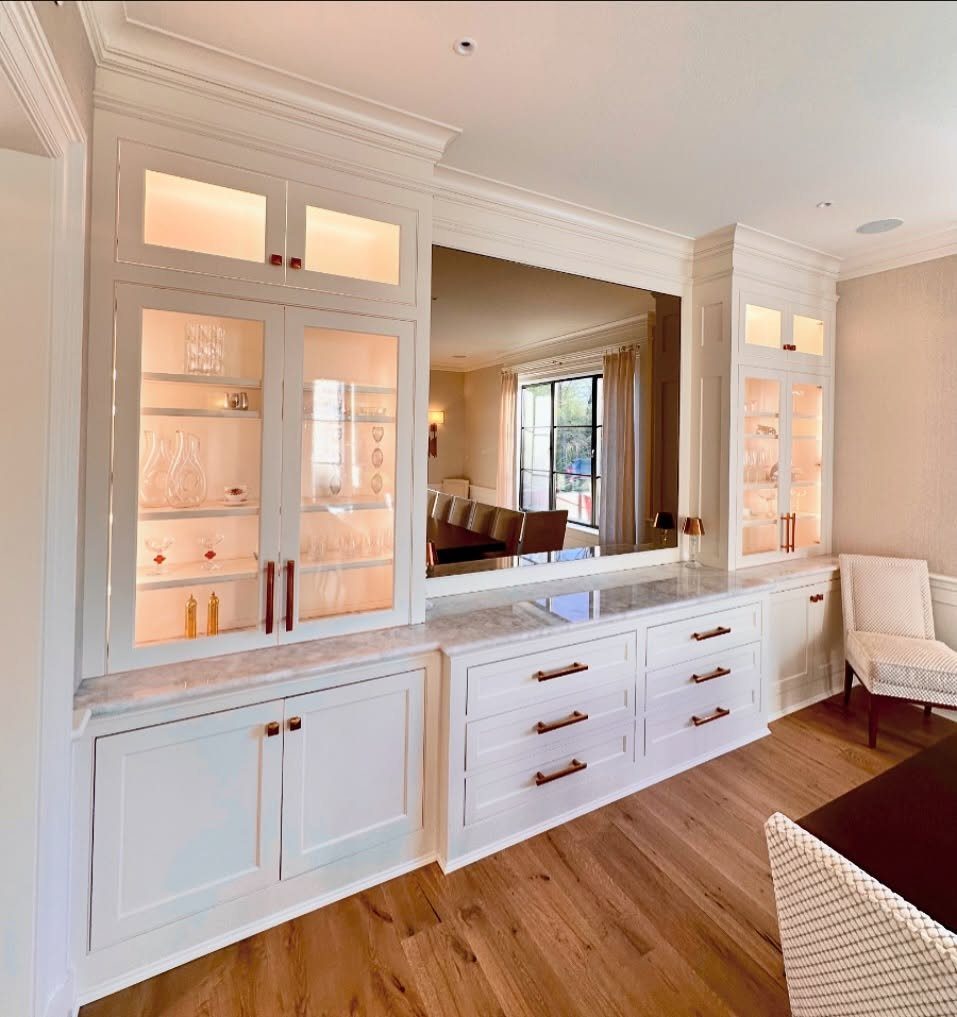
Interior lighting brings out glass and china details that disappear in shadow, and it makes the cabinet read as a display rather than just storage.
Battery-operated puck lights stick to each shelf without wiring, or you can run LED strip along the back edge for even coverage.
Warm white bulbs soften the look. Cool white sharpens it but can feel clinical in a dining room, so I’d test both before committing to one temperature.
Frequently Asked Questions
What is a sideboard for a dining room?
A sideboard is a low cabinet with a flat top that provides both storage and serving space in a dining room.
What are some good storage options for a dining room?
Armoires and buffets add vertical or horizontal storage depending on your room layout. Bar carts roll where you need them and tuck away afterward, and small accent cabinets fit tight corners where full-size pieces won’t work.
What do you call a piece of furniture in a dining room?
Common dining room pieces include a sideboard, which is a low cabinet with serving surface, a hutch that stacks display shelves over closed storage, and an armoire for tall enclosed storage.
You’ll also see curio cabinets for glass-front display, buffets that serve the same role as sideboards, and bakers racks with open shelving.