
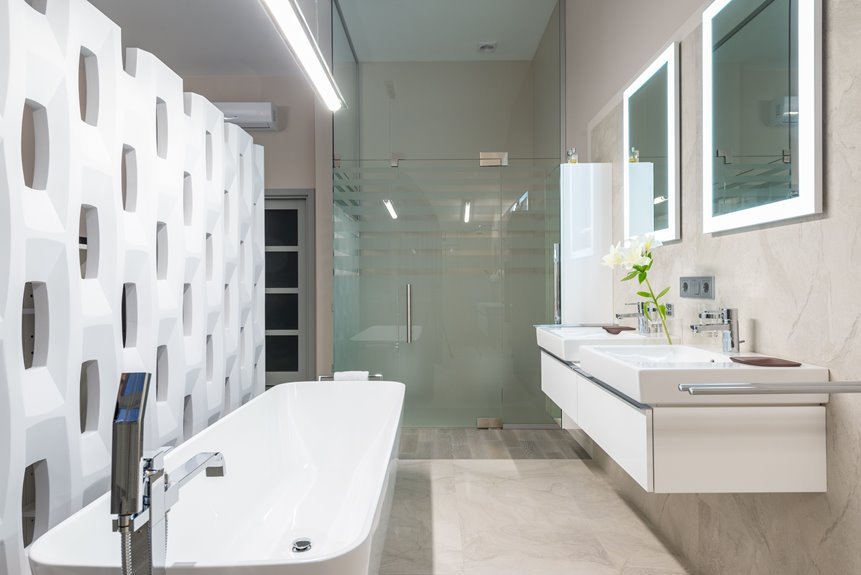
An acrylic bathtub is a lightweight, durable tub made from vacuum-formed acrylic sheets reinforced with fiberglass. It resists stains, retains heat to keep bathwater warm longer, and costs less than cast iron or steel.
Installation is straightforward, and maintenance requires only mild detergents and soft cloths. With proper care, your acrylic tub lasts 30-50 years.
Additional information about styles, installation types, and long-term value is available in the sections below.
What Makes an Acrylic Bathtub Different From Other Materials?
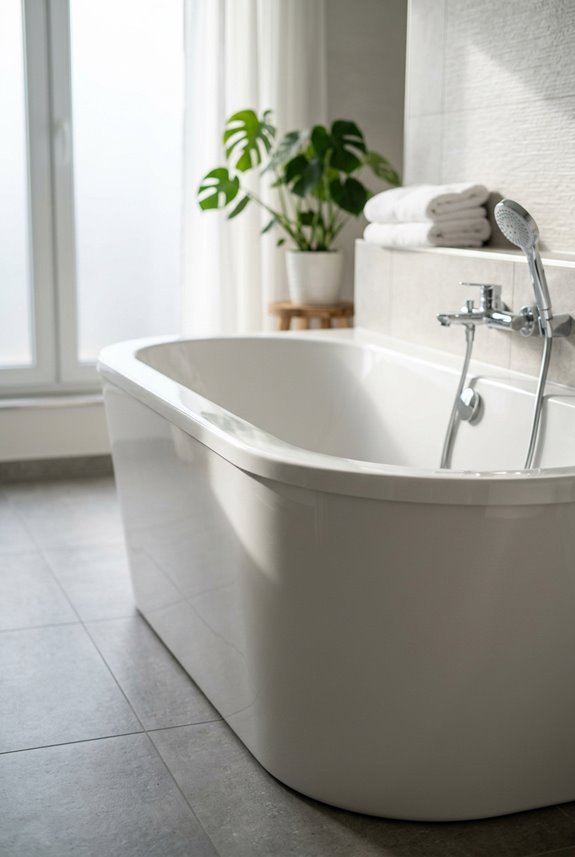
Why do so many homeowners choose acrylic bathtubs over other options? They offer features that make bathroom upgrades both practical and accessible.
Acrylic tubs are constructed from vacuum-formed sheets reinforced with fiberglass, making them lightweight and easy to install. Unlike cast iron or stone alternatives, you won’t need extra support during setup.
Their non-porous surface means water won’t seep through, and they’re incredibly simple to clean.
What sets them apart:
- Heat retention keeps bathwater warm longer
- Affordability fits most budgets
- Design variety includes freestanding, clawfoot, alcove, and corner styles
However, durability requires attention. While acrylic resists stains well, it’s less durable than cast iron.
Avoid harsh cleaners and UV exposure to prevent scratching and discoloration.
Acrylic bathtubs perform reliably when properly maintained.

Built-In Apron: Bathtubs with built-in aprons streamline installation with a preinstalled front avoiding the need for tile.

✅ NON-SLIP DESIGN: Textured surface meets ASTM slip-resistance standards for added safety and helps maintain its smooth, bright finish without discoloration over time.

✅ NON-SLIP DESIGN: Textured surface meets ASTM slip-resistance standards for added safety and helps maintain its smooth, bright finish without discoloration over time.
How Acrylic Bathtubs Are Manufactured and Reinforced
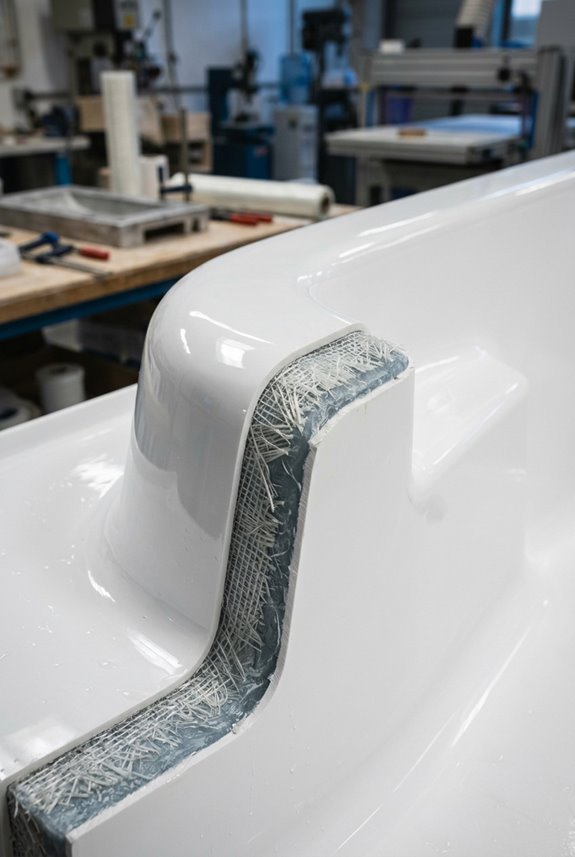
Have you ever wondered how manufacturers transform sheets of acrylic into the smooth tub that sits in your bathroom?
The process starts with heating acrylic sheets until they’re pliable. Manufacturers then use vacuum forming to shape the material into your tub’s basic form.
Once shaped, fiberglass reinforcement is applied to the underside, creating strength and durability.
| Manufacturing Step | Purpose |
|---|---|
| Heat acrylic sheets | Make material flexible |
| Vacuum form | Create tub shape |
| Deep-draw process | Achieve desired depth |
| Add fiberglass reinforcement | Increase durability |
Sanitary acrylic provides a high-gloss finish and excellent heat retention for warmer baths. The final assembly includes drilling drainage holes and installing support frames.
This reinforced construction ensures your acrylic bathtub lasts for years while maintaining its smooth, non-porous surface.

DIMENSIONS – Exterior size: 59" L x 28 3/4" W x 27 1/2" D with a 58-gallon effective soaking capacity, providing ample room while fitting most bathroom spaces.

【Deep Soaking Comfort】Designed for a relaxing spa-inspired experience, this 59 inch freestanding bathtub features a spacious interior and ergonomic curves that support your body while soaking. The deep soaking design allows comfortable full-body immersion, creating a peaceful retreat for master bathrooms, guest bathrooms, and home renovation projects.

✅ [DIMENSIONS AND SPECIFICATIONS]: Exterior Dimension: 67" Long x 31 1/2" Wide x 22 4/5" Deep – Effective Tub Capacity: 60 Gallons
Popular Styles and Configurations Available in Acrylic
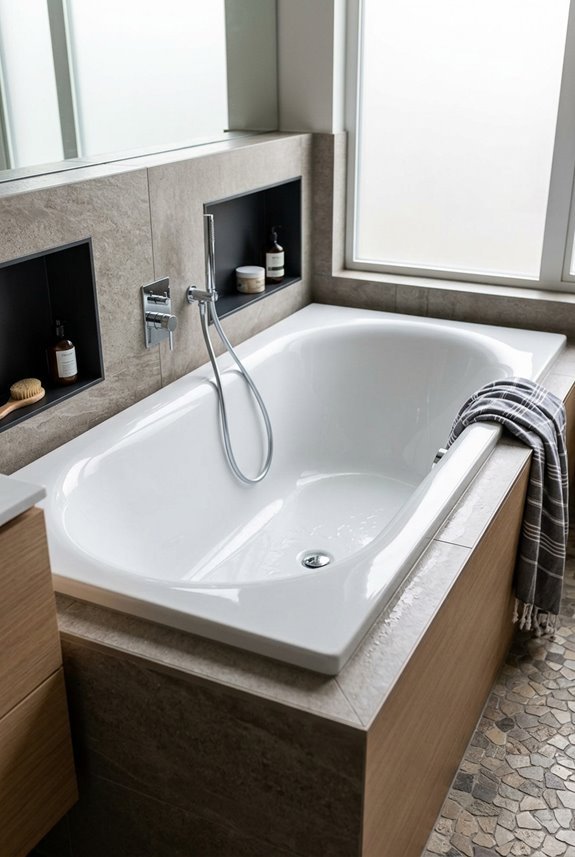
When you’re shopping for an acrylic bathtub, you’ll find several popular styles that fit different bathrooms and preferences. The main options include elegant freestanding designs and practical corner installations, among others.
Each style has its own benefits, and understanding them will help you make the right choice for your space.

NEW DESIGN CLAWFOOT TUB AND SHOWER FAUCET COMBO:This Pyhometrim claw foot tub shower kit comes with clawfoot tub faucet Set,rectangular shower rod,shower riser,ceiling support rod,wall bracket rods and premium quality 6 inch luxury popular shower head etc, provides an all-in-one solution for traditional clawfoot and vintage style tubs,which is an ideal tub to shower conversion kit for your bathroom
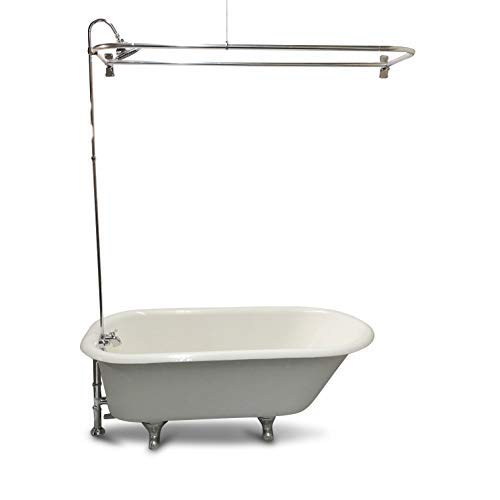
CLAWFOOT TUB ADD-A-SHOWER: The My PlumbingStuff RX2300J Clawfoot Tub Add-a-Shower is the perfect option for those looking to quickly upgrade their vintage clawfoot tub into a practical daily-use shower. It comes with a JUMBO chrome-bell shower head, 60-inch D-style shower rod with 12 shower rings, and B3100 ball-valve-technology diverter.

CLAWFOOT TUB AND SHOWER FAUCET COMBO:This Pyhometrim claw foot tub shower kit comes with clawfoot tub faucet Set,D shape shower rod,shower riser,ceiling support rod,wall bracket rods and premium quality 6 inch luxury popular shower head etc, provides an all-in-one solution for traditional clawfoot and vintage style tubs,which is an ideal tub to shower conversion kit for your bathroom
Freestanding and Clawfoot Designs
If you’re looking for a bathtub that makes a real statement in your bathroom, freestanding and clawfoot styles offer exactly what you need. These acrylic tubs provide stunning visual appeal with practical benefits you’ll appreciate daily.
These designs offer several key advantages:
- Clawfoot varieties feature ornate Lion Paw or Imperial feet for traditional charm
- Slipper and double-ended configurations provide comfortable soaking positions
- Matte finishes offer modern aesthetics alongside classic styles
- Specialty sizes include 71-inch contemporary models and 41-inch round Japanese options
Freestanding acrylic tubs deliver impressive durability while maintaining elegant appearances. You’ll find options with or without faucet drillings to match your space perfectly.
Popular choices include Randolph Morris Philo and Luna series, plus Paris and Serenity clawfoot variants. These designs transform your bathroom into a spa-like retreat with superior soaking comfort and visual impact.
Corner and Alcove Installations
Looking to maximize your bathroom space? Corner baths offer smart solutions for tight layouts.
This guide covers what makes these acrylic tubs ideal for your home.
Why Choose Corner Configurations
Corner baths fit snugly into bathroom corners, utilizing space you’d otherwise waste. These acrylic tubs come in multiple shapes: straight, corner, and P- or B-shaped variants to match your specific layout.
Installation Benefits
The lightweight nature of acrylic makes positioning easier than heavier materials. Installation becomes more manageable with this material.
What to Expect
Installation adjustments may be necessary for plumbing and wall fittings. Alcove installations require careful alignment with surrounding fixtures and corners.
These modifications ensure your corner bath integrates seamlessly with your existing bathroom design, creating a cohesive look that matches your space exactly.
Contemporary and Classic Shapes
Beyond corner installations, acrylic bathtubs offer an impressive range of shapes and styles to match your bathroom’s personality.
When exploring contemporary shapes and classic shapes, you’ll find acrylic bathtubs come in diverse forms:
- Circle and oval designs – Perfect for modern bathrooms seeking sleek aesthetics
- Rectangle and square models – Ideal for traditional spaces with clean lines
- Round soaking tubs – Compact options for Japanese-inspired relaxation
- Freestanding varieties – Statement pieces like clawfoot and double-ended models
Each style brings its own charm. Contemporary shapes emphasize minimalist elegance, while classic shapes honor timeless appeal.
Freestanding acrylic bathtubs work beautifully as focal points in any room.
The finishes available, from matte to high-gloss, enhance your chosen style further. Color-fast, dyed-through options ensure your bathtub maintains its appearance for years.
Whether you prefer modern or traditional aesthetics, acrylic bathtubs deliver versatility that lets you create the bathroom you want.
What Installation Involves: Handling, Placement, and Setup Considerations
How much easier can a bathtub installation actually be? Acrylic tubs make the process genuinely simpler than traditional options.
Their lightweight nature means you’ll handle placement with less strain and effort. Unlike cast iron alternatives, acrylic tubs don’t require heavy equipment or multiple installers.
Your installation type matters significantly. Here’s what affects your setup:
| Installation Type | Space Needs | Connection Requirements |
|---|---|---|
| Alcove | Compact, wall-supported | Standard drain and supply |
| Freestanding | Spacious room | Flexible positioning options |
| Corner | Angled space | Modified pipework possible |
| Shower-Bath | Medium space | Dual connection setup |
Some configurations require pipework relocation. Proper installation ensures long-term durability, heat retention, and leak prevention.
Correct setup from the start provides reliable performance over time.

Waterproof and very firm after curing, Fiberglass Repair Kit can be used to repair chips, scratches, dents, patch, worn, holes ect . Apply to fiberglass bathtub, acrylic bathtub, ceramic bathtub, enamel bathtub, cast iron bathtub, porcelain sink, ceramic tile, toilet, and cultured marble.

Acrylic construction with fiberglass and resin reinforcement, three wall alcove installation with tile flange and integral tub apron | Drain kit is not included

【Dimensions】The size of the shower base is 60'' L X 36'' W– Designed for standard alcove installations. Overall height is 4 in including the flange, with a 3 in low profile threshold for easy step-in access. Perfectly sized for most modern bathroom openings.
How to Keep Your Acrylic Tub Looking New: Cleaning and Maintenance
Your acrylic bathtub deserves regular care to maintain its shine and durability. These simple steps will keep your tub pristine for decades.
To protect your acrylic bathtub’s non-porous surface:
- Remove debris and rinse thoroughly after each use
- Dry the tub completely to prevent water spots
- Use mild detergents with soft cloths only
- Avoid abrasive cleaners and harsh scrub pads
For hard water stains, mix equal parts white vinegar and water. This removes mineral buildup without damaging anything.
When stubborn stains appear, sprinkle baking soda directly on the spot, then gently scrub with a soft cloth.
This maintenance routine keeps acrylic bathtubs looking new. With proper cleaning habits, your tub can last 30–50 years, providing lasting beauty and comfort for your home.

[DIMENSIONS AND SPECIFICATIONS]: Exterior Dimension: 54" Long x 29 1/2" Wide x 24" Deep
✅ NON-SLIP DESIGN: Textured surface meets ASTM slip-resistance standards for added safety and helps maintain its smooth, bright finish without discoloration over time.

✅ NON-SLIP DESIGN: Textured surface meets ASTM slip-resistance standards for added safety and helps maintain its smooth, bright finish without discoloration over time.
Acrylic vs. Fiberglass: Durability and Cost
When you’re deciding between acrylic and fiberglass tubs, you’ll want to understand how durability and cost really stack up.
This guide walks you through the lifespan differences, what you’ll spend upfront, and which option gives you better value over time. These three important factors will help you make the best choice for your bathroom.
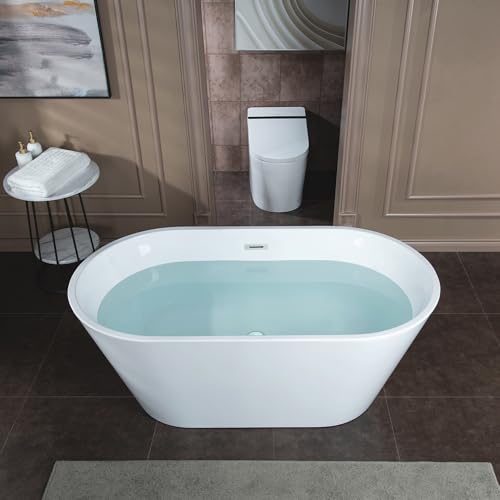
DIMENSIONS – Exterior size: 59" L x 29 1/2" W x 23 1/4" D with a 55-gallon effective soaking capacity, providing ample room while fitting most bathroom spaces.

" [dimensions and specifications]: exterior dimension: exterior dimension: 71" long x 31 1//2" wide x 22 7/8" deep, white acrylic ( brushed gold drain/overflow)"
Lifespan and Material Strength
Durability matters when you’re investing in a bathtub that’ll serve your family for years. Acrylic and fiberglass have distinct differences in strength and longevity.
Material strength and longevity break down as follows:
- Acrylic lifespan ranges from 10–20 years, extending to 30–50 years with proper maintenance
- Fiberglass tubs typically last shorter, prone to cracking, fading, and scratching over time
- Acrylic’s non-porous surface resists staining and mold better than porous fiberglass
- Durability comparison shows acrylic outperforms fiberglass for long-term use
Your maintenance habits directly impact durability. Regular cleaning and careful handling protect your investment.
While fiberglass offers budget-friendly options for standard use, acrylic delivers superior material strength. Prioritizing durability reduces replacement costs and extends the life of your bathtub by decades.
Upfront Investment Comparison
How much should you actually spend on a bathtub? Review the real numbers to make a smart choice.
Fiberglass vs. Acrylic Costs
Fiberglass alternatives typically cost less upfront. Initial prices are lower, which appeals to budget-conscious shoppers.
Acrylic tubs cost more initially, but they deliver long-term savings.
The Real Picture
Installation cost differs too. Acrylic is lighter, so labor runs cheaper and faster.
Fiberglass weighs less initially but requires more repairs down the road.
Acrylic lasts 10-20 years with minimal maintenance. Fiberglass needs frequent repairs, adding up expenses quickly.
When you calculate everything together, acrylic becomes the smarter investment for your bathroom.
Long-Term Value Assessment
Now that we’ve compared upfront prices, let’s look at what you’ll actually spend over time.
Acrylic durability delivers significant financial advantages:
- Lifespan: Acrylic bathtubs last 10 to 20+ years with proper care, outlasting fiberglass significantly.
- Heat retention: You’ll enjoy warmer baths longer, reducing energy costs compared to fiberglass options.
- Maintenance: Non-porous surfaces resist staining and require less intensive cleaning, saving you time and money.
- Installation ease: Lightweight construction means lower installation costs and no expensive floor reinforcement needed.
Acrylic does require careful maintenance to prevent scratches, but this investment protects your long-term value. Fiberglass costs less upfront, but it wears quickly and needs sealing to prevent mold.
When you factor in durability, heat retention, and reduced maintenance, acrylic delivers better long-term value. Homeowners seeking lasting quality will recoup their initial investment through lower maintenance costs and extended lifespan.
Acrylic vs. Steel: Weight and Heat Retention
When you’re choosing between an acrylic and steel bathtub, two important factors stand out: how heavy the tub is and how well it keeps your bathwater warm.
Weight Advantages
Acrylic tubs are lightweight and easier to install than steel baths. They’re vacuum-formed with fiberglass reinforcement, which reduces strain during setup.
Steel baths, by contrast, are heavier and demand more skilled installation work.
Heat Retention
Acrylic retains heat better than many materials in the same price range. Your bathwater stays warm longer during relaxing soaks.
Steel offers greater mass for heat retention, but costs more overall.
Durability Matters
Both materials last well with proper maintenance. Acrylic typically lasts 10–15 years.
Installation quality and ongoing care determine longevity for both options.
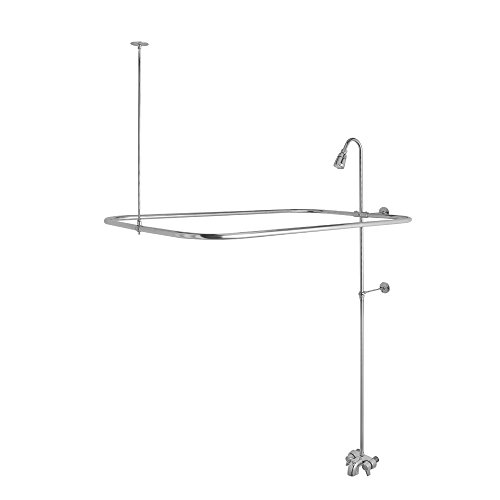
CLAWOOT TUB TO SHOWER CONVERSION KIT – This shower conversion kit helps turn the traditional clawfoot tub into a bathtub/shower combo

RELIABLE BUILD:This heavy duty bathcock diverter is constructed of high qualitity solid brass with polished chrome finish ,anti rust, anti leak and ensuring longevity,provides a sleek, contemporary aesthetic for your bathroom. Great match for traditional clawfoot and roll-top style tubs, and is designed to fit most bathtubs where a traditional shower is unavailable.

RELIABLE BUILD AND LUXURY DESIGN :This heavy duty bathcock diverter is constructed of high qualitity solid brass with polished chrome finish ,anti rust, anti leak and ensuring longevity,porcelain lever handles disign provides a sleek,luxrry,contemporary aesthetic for your bathroom. Great match for traditional clawfoot and roll-top style tubs, and is designed to fit most bathtubs where a traditional shower is unavailable.