
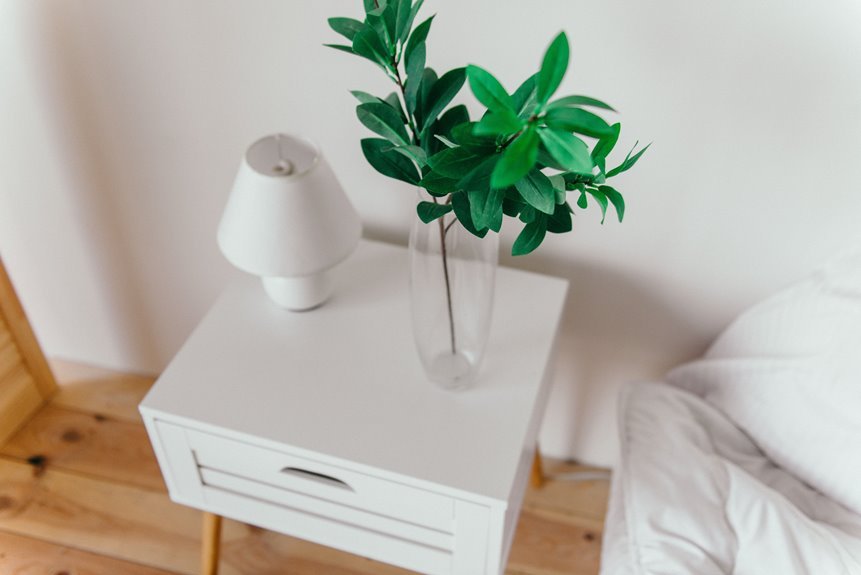
Your bedside table should be 24–28 inches high, ideally matching your mattress top. Start by measuring from the floor to your mattress surface, including any toppers. The table’s top should align with or sit up to 2 inches above the mattress. Sit on your bed edge and reach toward the table to confirm comfortable access. This simple alignment prevents awkward stretching and improves daily comfort. Additional considerations about proportions and special bed types follow.
The Ideal Bedside Table Height: 24–28 Inches
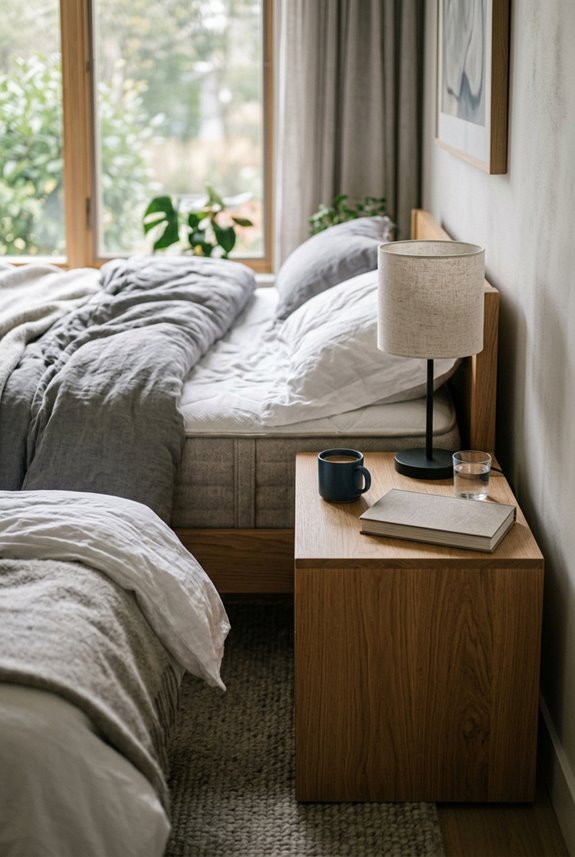
What’s the right height for your bedside table? The ideal bedside table height ranges from 24–28 inches. This range works well because it aligns with your mattress top, giving you convenient reach comfort when you’re sitting or lying down.
The ideal bedside table height ranges from 24–28 inches, aligning with your mattress top for convenient reach comfort.
The standard height of 25 inches fits most situations. It suits typical mattresses that measure 23–26 inches tall. Keep your table top level with your mattress or just 2 inches above it. This simple guideline ensures everything feels natural and accessible.
Key considerations:
- Match the bedside table height to your mattress top
- Aim for 24–28 inches for optimal reach comfort
- Test the standard height before purchasing
The right bedside table height makes your bedroom more functional and comfortable.

Modern Design&Perfect Gift: A contemporary table lamp with ceramic design. The perfect fusion of classic and modern, can add artistic atmosphere to your living room. Our...
How to Measure Your Bed and Find the Right Height
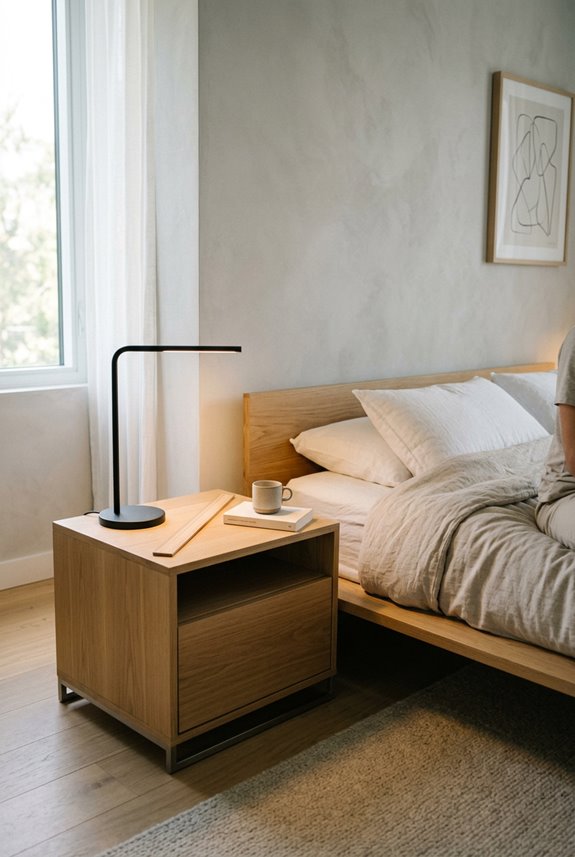
Finding your perfect nightstand height requires measuring your bed first. Follow this simple process.
Your measurement steps:
- Measure from floor to your mattress top level, including any topper you use
- Aim for a nightstand height matching this measurement or up to 2 inches higher
- Never select a table shorter than your bed
Test for comfort:
Sit on your bed’s edge and perform a seated reach test. Can you comfortably touch your nightstand surface without excessive bending. This confirms your ergonomic nightstand height.
If you have a very thick mattress, account for that added height when shopping. For adjustable beds, test in-store with similar mattress heights to confirm your nightstand works well.
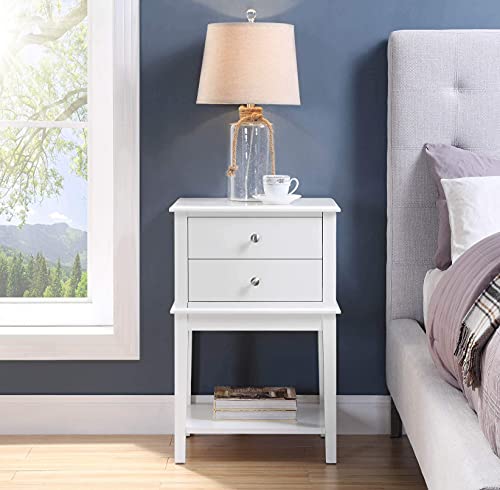
√【Simple assembly】You can assemble the white modern nightstand step by step according to the detailed instructions in the customer manual. Generally, It takes around 45-65minutes for old hand or 2-3 hours for beginner to complete the assembly. It will let you experience the fun of hands-on operation without making you feel complicated.

High Quality Materials - This accent table is constructed of durable MDF boards, this bed nightstand is very sturdy and reliable. It can be used for a long time.The modern design style creates an elegant and fashionable atmosphere and highlights the noble quality of life of the owner.

Small Round End Table: Sthmec glass side table measures 11'' W x 11'' D x 16.5'' H, 11'' width size for using glass table as a sofa or couch side table, drink stand, small table, corner table, glass dining table or black nightstand. Easy to move and decor for your living room, bedroom, hallway, balcony or office
Why Mattress Alignment Matters for Comfort and Accessibility
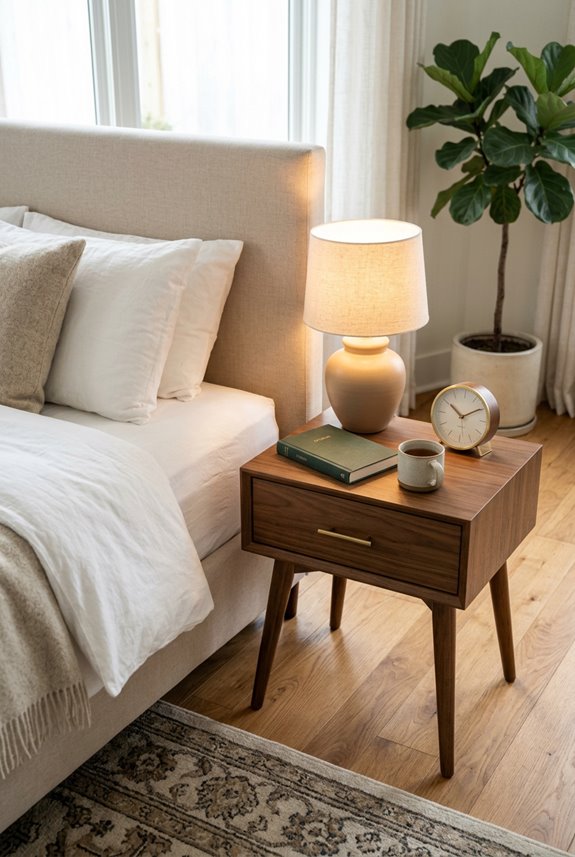
Why does your nightstand height matter so much? Your nightstand height directly affects your daily comfort and safety.
When your bedside table top aligns with your mattress surface, you gain ergonomic reach without strain. Matching the surfaces creates a visually balanced bedroom while making accessibility effortless.
What to do:
- Align your bedside table top with the mattress top
- Allow up to 2 inches higher if needed for thick toppers
- Never exceed 3 inches difference for optimal comfort
- Test your reach while seated with bedding
A misaligned nightstand forces awkward stretching or excessive bending. Your accessibility improves significantly when surfaces align properly. You will notice the difference in how naturally you reach for items during your morning routine and evening wind-down.

Under Mattress Shelf: This versatile bed tray can hold your laptop, books, food—whatever you need! The steel frame fits under a mattress and secures the tray with no tools needed. Holds 17.5 lbs with 6” to 10” mattresses, 35 lbs with 10”+ mattresses

Under Mattress Shelf: This versatile bed tray can hold your laptop, books, food—whatever you need! The steel frame fits under a mattress and secures the tray with no tools needed. Holds 17.5 lbs with 6” to 10” mattresses, 35 lbs with 10”+ mattresses

【Great Substitute for Nightstands】 Forget climbing down from the top bunk or getting out of bed just to grab something from the floor or across the room. With Sleeper Shelf, a smart phone, book, alarm clock, drink, or any other items you might bring with you in bed can be just an arm's length away. Sleeper Shelf allows you to save floor space, making it an excellent alternative to a nightstand in a cramped room or bunk bed.
Height Adjustments for Platform and Adjustable Beds
Now that you understand how mattress alignment affects your comfort, you’ll want to consider your specific bed type.
Platform Bed Height
For platform beds, keep your nightstand height within 0–4 inches above your top-of-mattress level. This range maintains easy reach and visual balance in your bedroom. If your platform bed sits particularly low, consider a 22–24 inch nightstand instead. This adjustment prevents excessive reaching down while maintaining accessibility.
Adjustable Bed Height
Adjustable beds need special consideration for bedside table height. When your bed raises, use a taller nightstand, around 28–30 inches, to keep the surface near your mattress level. This ensures your reach accessibility stays comfortable throughout all bed positions.
Testing Your Setup
Before purchasing, sit on your bed at its typical configuration. Test whether you can reach your nightstand comfortably without overreaching or craning your neck.

【Multiple Uses】The vintage wooden end table can be open for display, you can place your decorative phone lamps, books, etc. on it. You can put it in many places as a sofa side table, bedside table, porch bedside table, small farmhouse table for your bedroom, living room, entryway, hall, etc.

Adjustable Height with Secure Snap Lock: Easily adjust the height from 25" to 36.5" using the snap-lock mechanism. Unlock, set the desired height, and lock securely for stable, convenient use as a bed table or hospital bed table

Adjustable Height with Secure Snap Lock: Easily adjust the height from 25" to 36.5" using the snap-lock mechanism. Unlock, set the desired height, and lock securely for stable, convenient use as a bed table or hospital bed table
Getting the Right Width, Depth, and Proportions
While height matters, width and depth are just as important for a functional bedside table. You’ll want to consider how much surface space you actually need and whether your table leaves enough room to walk comfortably around your bed. Both of these elements affect your ability to choose a table that works for your space.
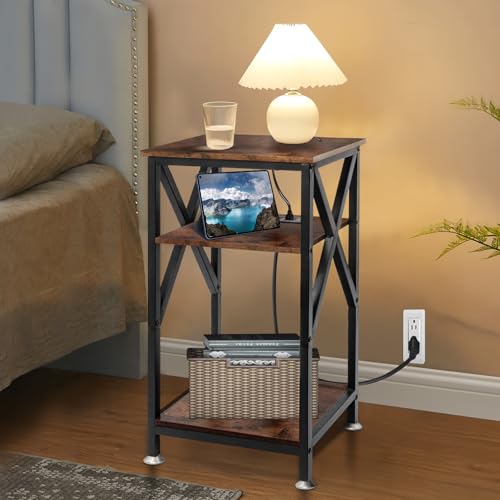
✔Upgrade End Table - Compared with other regular end table, this upgraded one with a higher height of 28", enlarged charging station, and 4 smooth wheels are provided. When you need a higher side table, or want to charge beside the sofa, or even use in the kitchen, this upgraded one surely will be a smart choice.
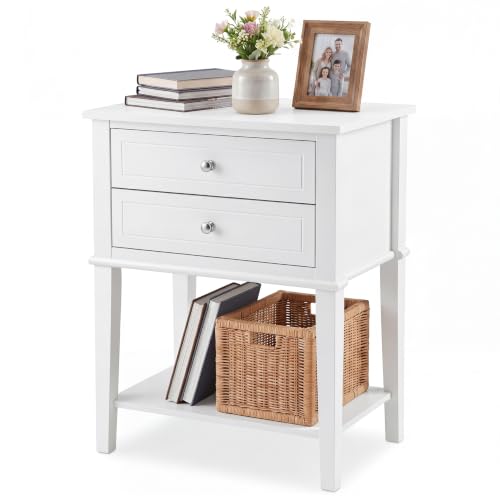
★【𝐒𝐭𝐮𝐫𝐝𝐲 & 𝐌𝐨𝐢𝐬𝐭𝐮𝐫𝐞-𝐑𝐞𝐬𝐢𝐬𝐭𝐚𝐧𝐭 𝐒𝐭𝐫𝐮𝐜𝐭𝐮𝐫𝐞】This large nigh tstand features a smooth spray-painted finish that resists moisture, stains, and scratches. Built with a solid frame and reinforced joints, it delivers excellent load-bearing capacity and a stable, wobble-free structure that combines timeless style with lasting durability for any bedroom or living space.

27.56" Extra-Wide Surface & Storage: Designed with a generous 27.56"W × 15.63"D surface and three roomy drawers, this wood night stand set of 2 offers plenty of space for lamps, books, chargers, and daily essentials. Keep your bedside organized and clutter-free, while the 25.59" height pairs comfortably with king and queen beds for easy access.
Width And Surface Space
Getting the right width and depth for your bedside table makes a real difference in how well it works. Choose a nightstand width between 18–24 inches for most beds. If you have a larger bed, you can go up to 30 inches for better bed height balance.
Keep the depth at 14–18 inches so you’re not crowding your walkway. This bedside table proportions approach ensures you’ll have enough surface space for lamps, books, and personal items.
Pay attention to leg clearance by aiming for at least 2 inches underneath the top. This measurement makes your nightstand height and overall setup feel more comfortable and inviting when you’re reaching for things at night.
Depth And Walkway Clearance
Once you’ve figured out your nightstand’s width, the depth becomes your next priority. Keep your bedside table depth between 14–18 inches. This prevents crowding your walkway and maintains proportional balance with your bed.
A shallow nightstand won’t overwhelm your bedroom layout. It keeps traffic flowing smoothly around your bed. For nightstand proportions to work well, you’ll also want at least 2 inches of leg clearance underneath the top surface. This provides comfortable seating and easy leg movement.
If your bedroom feels tight, consider a console table instead. Just make sure its proportions align with your bed and room. Getting the bedside table height and depth right creates a functional, welcoming space.
Common Height Mistakes and How to Fix Them
I’ve seen plenty of people struggle with nightstands that sit too low, forcing them to bend awkwardly or reach down uncomfortably from bed. You can fix this problem without buying a new table. Bed risers or furniture shims lift your nightstand to the perfect height. I’ll show you how to identify if your nightstand is too low and what solutions actually work.

Small End Table Adjustable Height: The end Table size is 15.7"L *11.8"W *32''H(Adjust 18"-32"). Customize the height from 18" to 32" to fit your sofa, bed, or favorite chair. Whether your seating is low or high, this side table adapts effortlessly, providing a practical surface for any room.

✔️ Easily Adjustable Height Levels: The sofa table offers 9 height settings, adjustable from 19 to 30 inches, letting you customize it perfectly for eating, working, or relaxing.

[Height Adjustable] Easily adjust the height to fit sofas, beds, bathtubs and various chairs. Enjoy a comfortable viewing angle whether you work while sitting or lying down.
Nightstands Too Low Problems
Why does reaching for your water glass feel like a workout? Low nightstands create serious ergonomic accessibility issues. When your bedside table height sits too far below your mattress top level, you’re forced to lean awkwardly or bend from bed.
| Problem | Impact | Solution |
|---|---|---|
| 5–7 inches below mattress | Disrupts reach comfort | Add risers or taller legs |
| Under 20 inches tall | Strains your back | Use a dresser alternative |
| Too much bending required | Reduces nightstand usability | Raise to mattress level |
| Phone/glasses hard to reach | Safety concerns | Install nightstand risers |
| Poor ergonomic accessibility | Daily frustration | Upgrade to proper height |
The Fix: Your nightstands too low problem has simple solutions. Aim for nightstand height guidelines matching your mattress top level or 2 inches higher. Add risers, upgrade legs, or swap for a taller dresser. Proper nightstand height eliminates back strain and improves daily accessibility from bed.
Adjusting Heights With Risers
How much space sits between your nightstand top and mattress right now?
If you’re struggling with nightstand height, risers offer an easy fix. Furniture risers can raise your nightstand by 1–4 inches, which helps align it perfectly with your mattress top. This adjustment matters because reaching too far (6–12 inches) strains your arm, while an overly tall nightstand (more than 3 inches above the mattress) creates awkward angles.
When adding risers, remember these essentials:
- Choose risers offering stable support and level surfaces
- Maintain at least 2 inches of leg clearance underneath
- Test your grasp reach from a seated position
- Confirm phone, water, and remote access feels natural
For very tall bed height situations, combine risers with longer legs or decorative plinths for balanced proportions that work for you.
Quick Reference: Height, Proportions, and Styling Tips
Getting your bedside table height just right impacts comfort and function.
Height Guidelines:
- Standard nightstand height: 25 inches
- Range: 24–28 inches for most setups
- Top should align with or sit 2 inches above your mattress
Proportions Matter:
- Width: 18–24 inches (up to 30 for larger beds)
- Depth: 14–18 inches to keep walkways clear
Matching Your Setup:
- 23–26 inch mattress → 25-inch bedside table works well
- Very tall or thick mattress → consider 29+ inches
- Use risers or longer legs for quick adjustments
Lighting Alignment:
Pair your bedside table height with a lamp whose bottom sits near eye level when you’re seated.
Following these proportions and measurements ensures a functional, balanced bedroom that serves your daily needs.

【Elegant Modern Ceramic Lamp】Featuring a smooth silhouette and a unique ceramic body topped with a classic white fabric drum shade, this bedroom lamp blends timeless...