
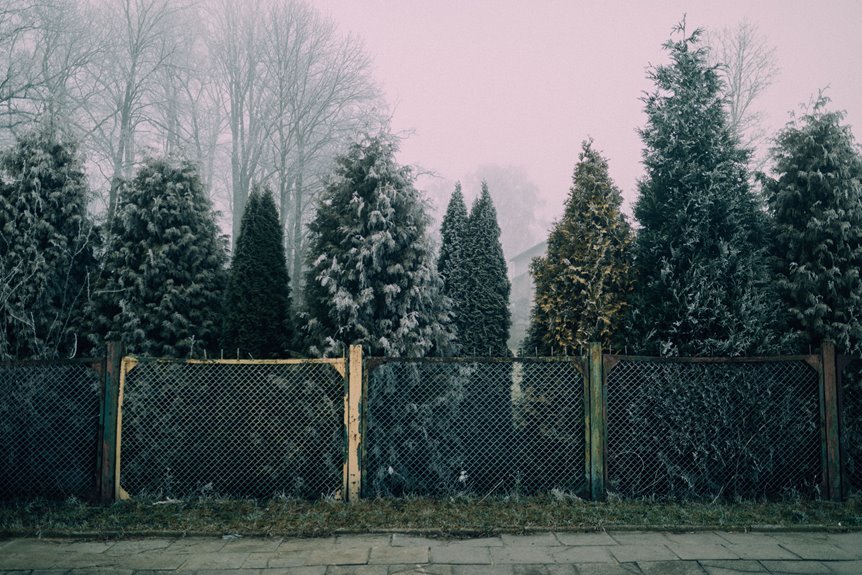
A cedar fence typically lasts 15–20 years untreated, but you can stretch it to 20–30+ years with proper care.
The real difference comes down to maintenance: annual cleaning, staining every 3–5 years, and good drainage around posts make a significant impact.
Climate matters too; freeze-thaw cycles and standing water speed up rot significantly.
Professional installation and quality posts help extend your fence’s life considerably.
Key maintenance steps include regular inspection for damage, prompt repairs of rotted sections, and consistent protective treatments.
The Typical Lifespan of a Cedar Fence
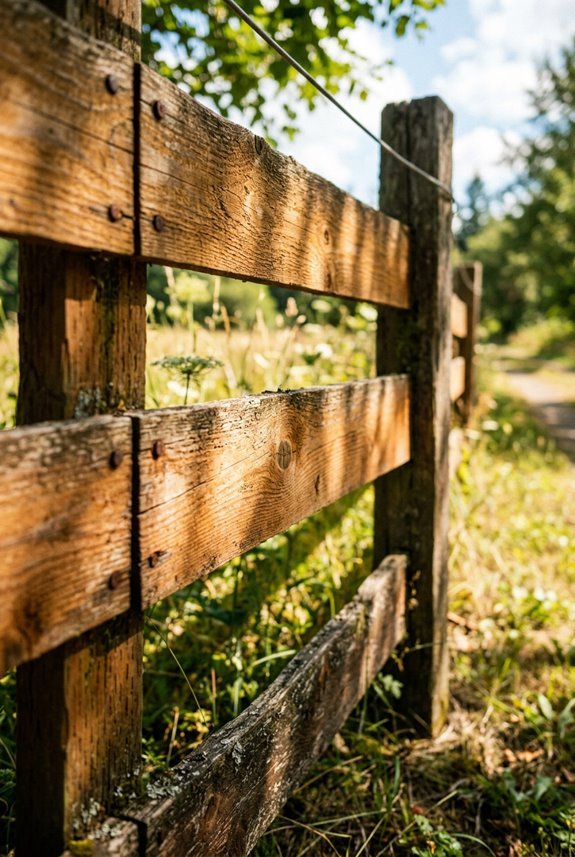
How long will your cedar fence actually stand. It depends on how you treat it.
Untreated cedar typically lasts 15–20 years before weathering takes its toll. Treated cedar, on the other hand, can reach 20–30 years or beyond with proper care.
What matters most:
- Maintenance is critical. Annual cleaning and staining every 3–5 years dramatically extends your fence’s life.
- Climate impact cannot be ignored. Freeze-thaw cycles and heavy UV exposure wear down your fence faster without protection.
- Post quality and installation method sometimes matter more than the cedar itself.
Your cedar fence’s lifespan comes down to the effort you invest. Proper installation and consistent maintenance determine whether your fence lasts 15 years or 30 years.

NO LAPS, RUNS OR STREAKS: Goof Proof formula with no back brushing required; ideal for exterior wood projects
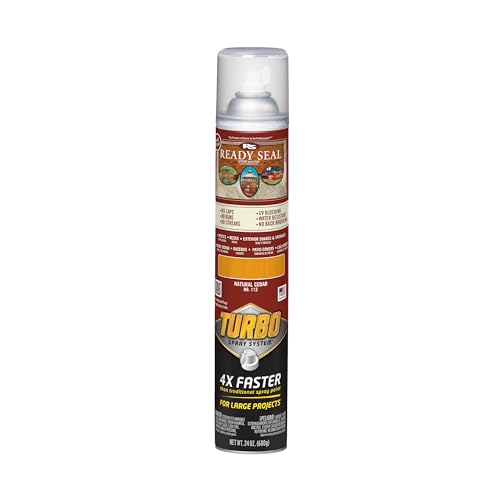
NO LAPS, RUNS OR STREAKS: Goof Proof, oil-based formula now equipped with the powerful Turbo Spray System; ideal for exterior wood projects
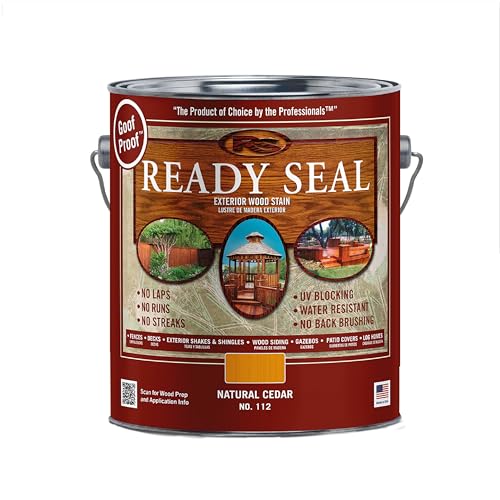
NO LAPS, RUNS OR STREAKS: Goof Proof formula with no back brushing required; ideal for exterior wood projects
What Actually Determines How Long Your Fence Lasts
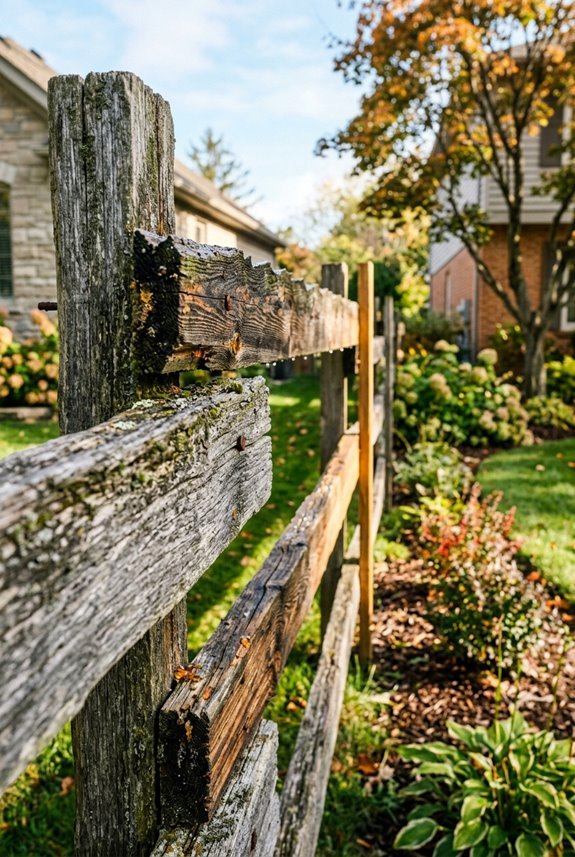
While that 15–40 year range gives you a general idea, climate and weather exposure make the biggest difference in whether your fence lasts 20 years or 40.
Installation quality and regular maintenance, such as staining every 3–5 years and inspecting for damage, can add decades to your cedar fence’s life.
How long your fence lasts depends on where you live and how much care you’re willing to put in.

WATERPROOFING STAIN – Bring out the beauty of your outdoor wood with Thompson’s WaterSeal Transparent Waterproofing Wood Stain. Along with adding smooth color, it’s a deck sealer that prevents water damage to help you maintain your outdoor living spaces.

WATERPROOFING STAIN – Bring out the beauty of your outdoor wood with Thompson’s WaterSeal Semi-Transparent Waterproofing Wood Stain. Along with adding lightly tinted color, it’s a deck sealer that prevents water damage to help you maintain your outdoor living spaces.
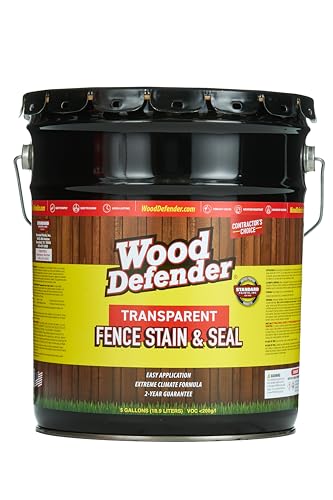
IDEAL FOR NEW FENCE PROJECTS: Designed for newly installed outdoor wood fences, this fence sealer penetrates deep into the wood to help preserve its natural appearance while delivering lasting color protection
Climate And Weather Exposure
Climate exposure directly impacts cedar fence longevity more than anything else. In Chicagoland, freeze-thaw cycles, heavy snow, and summer storms accelerate moisture damage.
The following factors matter most:
- Freeze-thaw cycles push moisture into wood, causing cracks
- Heavy snow adds weight and traps water against posts
- Summer storms drive rain deep into cedar grain
- UV degradation grays south- and west-facing sections faster
- Standing water around posts triggers post rot quickly
Drainage and grading are your strongest defenses. Direct water away from fence posts through proper grading.
This single step extends your fence’s life significantly.
Without maintenance and staining every 3–5 years, weather exposure causes faster deterioration. Regular cleaning and inspection catch problems early.
You’ll protect your investment and enjoy your fence for decades rather than years.
Installation Quality And Maintenance
Installation quality and maintenance are what separate a fence that lasts 15 years from one that lasts 30.
The Foundation Matters Most
Dry-set footings reduce moisture traps around posts. This simple choice prevents rot from taking hold early.
Proper post depth shields wood from ground contact and decay.
Drainage Is Your Best Friend
Standing water accelerates damage faster than anything else. Grade your yard so water flows away from fence lines.
Good drainage adds years to your fence’s life.
Keep Up With Maintenance
Annual cleaning and staining every 3–5 years preserves color and protects wood. Regular inspections catch small problems before they become expensive repairs.
Post protection through these steps extends fence lifespan significantly.
Why Weather and Moisture Kill Cedar Fences Faster
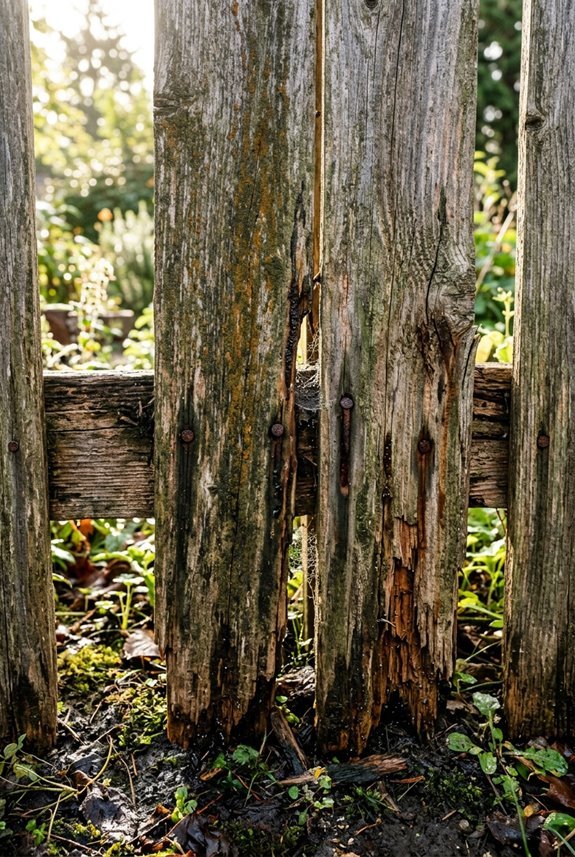
How much damage can water really do to your cedar fence? More than you’d think.
I’ve seen moisture turn a promising cedar fence lifespan into a five-year struggle.
Here’s what attacks your fence:
- Standing water pools around fence posts, accelerating rot dramatically
- Freeze-thaw cycles in Chicagoland crack wood and force moisture deeper
- UV exposure combined with rain speeds deterioration substantially
- Ground-contact posts rot within five years without proper protection
- Moisture intrusion weakens the wood’s structural integrity over time
Proper drainage and grading aren’t optional. They’re essential.
Dry-set footings keep posts elevated above moisture. Regular cleaning catches problems early before they become serious.
You’ll extend your cedar fence lifespan appreciably by addressing moisture issues promptly and preventing water from pooling around your posts.

Enough and Practical: you will receive 2 rolls of sediment filter socks for drainage protection, which are very suitable for storm drains, ditches, intake canals, stocks, surrounding estates, construction activities, or as barrage to meet your needs for daily use and replacement; Please note that the product is packed in double layer bags and will not affect the use of the product

Efficient Sediment Filtration: This sediment filter sock effectively captures sediment, debris, and solid particles from rainwater runoff, preventing drainage clogs and protecting the environment.
Why Professional Installation Extends Cedar Fence Life
When a fence installer knows what they’re doing, your cedar fence gets built right from the start. Professionals handle the details that matter most for your cedar fence lifespan.
What the Pros Get Right
They dig post holes to proper depth, typically 2-3 feet, preventing frost heave and shifting. They install dry set footings with correct drainage so water doesn’t pool around posts, which causes decay problems quickly.
Pros also space boards precisely and add quality backer rails for strength in tough Chicagoland weather. They select premium cedar grades and warranty-backed stock that resist decay naturally.
The Maintenance Advantage
Professional installation comes with maintenance guidance. Your installer explains when to stain, clean, and repair minor issues.
Catching problems early extends your fence’s life significantly and protects your investment for years to come.

Wet & Forget Ready To Use Outdoor Cleaner comes with a high-capacity trigger sprayer for quick application to smaller surfaces; removes green and black stains caused by moss, mold, mildew, and algae, no scrubbing, no rinsing, no pressure washing, just wet it and forget it on multiple surfaces including, porch steps, headstones, fountains, planters, concrete, canvas, and upholstery
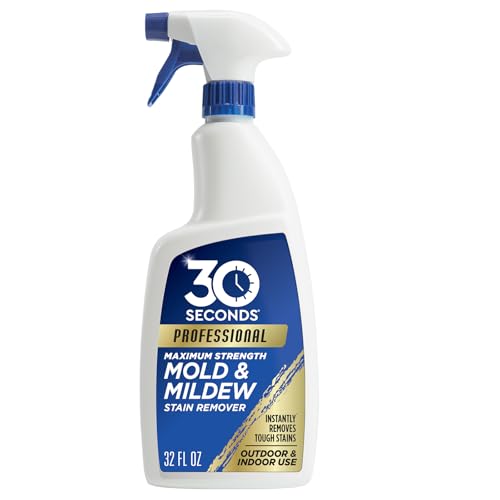
BRIGHTER RESULTS INSTANTLY: Noticeably brightens indoor and outdoor surfaces, removing black mold and mildew stains as you watch, with no scrubbing or pressure washing required for fast, visible results

GET RID OF STUBBORN MOLD AND MILDEW STAINS: Our instant spray cleaner removes the stains left behind from black mold and mildew. They tend to leave behind ugly staining that can go deep below the surface; Our professional-strength spray is specifically formulated to eliminate discoloration caused by mold and mildew
To Stain or Leave Natural: Does It Matter for Durability?
Now that you’ve got your fence installed right, the next step is deciding whether to stain it or let it age naturally.
What you need to know about staining and durability:
- Staining preserves color but doesn’t strengthen the wood itself
- Unstained cedar weathers naturally to a silver-gray patina, which is normal aging, not decay
- Stained fences need reapplication every 3–5 years for best results
- Lifespan extension is real; staining can add 5–10+ years by blocking UV damage
- Maintenance matters most; regular cleaning and repairs help either way
Your cedar fence lasts 15–30 years naturally. Staining slows graying and moisture damage, but it requires commitment.
Skip staining if you love the weathered look. Choose staining if you want consistent appearance and extended lifespan.
Either way, proper drainage and post protection remain essential for longevity.

Gorilla tough: Gorilla Wood Filler is the go-to product for strong water resistant repairs on cracks, gouges and holes

J-B WELD KWIKWOOD: A hand mixable two part epoxy putty stick that is formulated to repair and rebuild wood. J-B Weld KwikWood is designed for all wood household DIY repairs!

Stainable wood filler looks and acts like real wood; ideal for corners and vertical surfaces on interior or exterior wood
Red Flags That Your Cedar Fence Needs Replacement
Sometimes your cedar fence shows clear signs that it’s reached the end of its life.
You should spot these red flags before problems worsen. When you notice widespread rot damage, leaning sections, or loose damaged posts, replacement often makes more sense than patching.
What you’re looking for:
| Problem | What It Means | Action |
|---|---|---|
| Widespread rot damage | Structural failure spreading | Consider replacement |
| Leaning or sagging sections | Weakened posts compromising safety | Plan replacement soon |
| Loose or cracked posts | Unstable foundations | Replace for longevity |
Multiple issues together, rot, warping, and broken boards, strongly suggest replacement over repairs. Your cedar fence’s longevity depends on addressing these warning signs promptly.
When damage combines across your fence, replacement becomes the smart investment for your property’s future.
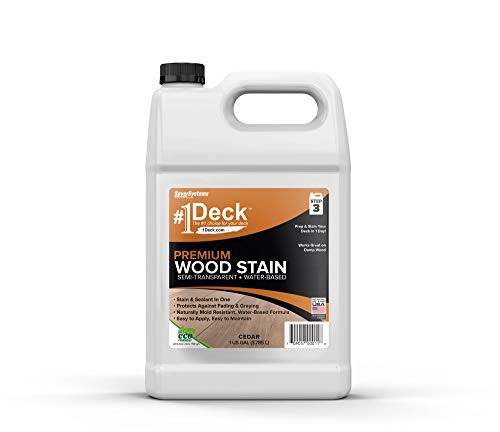
SEMI TRANSPARENT EXTERIOR WOOD STAIN: Our outdoor wood stain and sealer allows the natural wood grain to show through, highlighting the beauty of your decks, fences and sidings and preserving its natural look.

SUPERIOR WEATHER PROTECTION — TWP 101 Pro-Series provides broad-spectrum weather protection that resists water absorption, helping prevent warping, cracking, splitting, and freeze damage in colder climates, keeping your wood beautiful and structurally sound season after season

No Laps, Runs or Streaks
Maintenance Steps to Extend Your Fence’s Life
How’d you like your cedar fence to last decades instead of just years. Here are the maintenance steps that work:
- Remove debris and vegetation regularly to prevent moisture buildup around posts
- Clean annually to eliminate dirt, pollen, and mildew that damage cedar fencing
- Stain or seal every 3–5 years for rot protection and appearance
- Ensure proper drainage and grading around your fence line
- Use dry set footings instead of cement to improve post longevity
Regular upkeep stops rot before it starts. When you invest time in your cedar fencing now, you’re protecting your investment for years ahead.
Drainage and grading are most critical for ground-contact areas where decay happens fastest.

IDEAL FOR NEW FENCE PROJECTS: Designed for newly installed outdoor wood fences, this fence sealer penetrates deep into the wood to help preserve its natural appearance while delivering lasting color protection

READY-TO-USE DECK STAIN & SEALER: Olympic WaterGuard woodland cedar semi-transparent wood stain and sealant combines color and waterproofing in one water-based, ready-mix coat.

ADVANCED PROTECTION FOR OUTDOOR WOOD: DEFY Extreme wood stains offer high-performance deck stain and sealer products that prevent graying & weathering while also extending the life of exterior wood surfaces