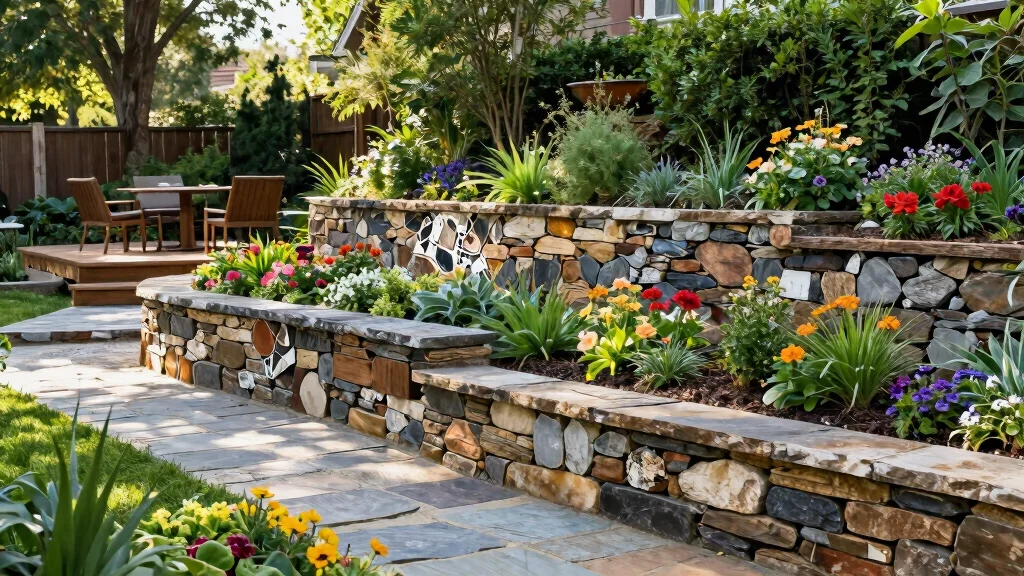
Creating a beautiful backyard is often a labor of love, especially when you want it to be both functional and visually appealing. That’s why I put together this guide on 14 retaining wall designs that hold strong for years.
Whether you’re tired of battling erosion, need to level off a slope, or just want to enhance your outdoor living spaces, these designs will inspire you to create something special.
If you’re someone who enjoys landscape architecture or is keen on exploring sustainable materials for your backyard retaining walls, this post is tailored just for you.
You’ll discover practical ideas that blend aesthetics with durability, perfect for anyone looking to elevate their garden design.
From the charm of natural stone wonders to the modern touch of modular systems, there’s something here for every style and need.
By the end of this post, you’ll have a wealth of inspiration at your fingertips. You can expect to learn about various retaining wall materials, their benefits, and how they can serve as effective erosion control solutions.
Let’s dive in and discover how you can create stunning outdoor spaces that stand the test of time!
Key Takeaways
– Variety of Designs: Explore 14 unique retaining wall designs suitable for any backyard style, from classic natural stone to modern modular systems.
– Sustainable Materials: Learn about eco-friendly materials that not only look great but also contribute to environmental responsibility.
– Function Meets Aesthetics: Each design balances beauty and function, providing effective erosion control while enhancing your garden’s appeal.
– Practical Applications: Get actionable insights into how each type of retaining wall can be used effectively in your own outdoor spaces.
– Long-Lasting Solutions: Discover which materials and designs offer durability and longevity to withstand the elements while looking fabulous.
1. Natural Stone Wonders
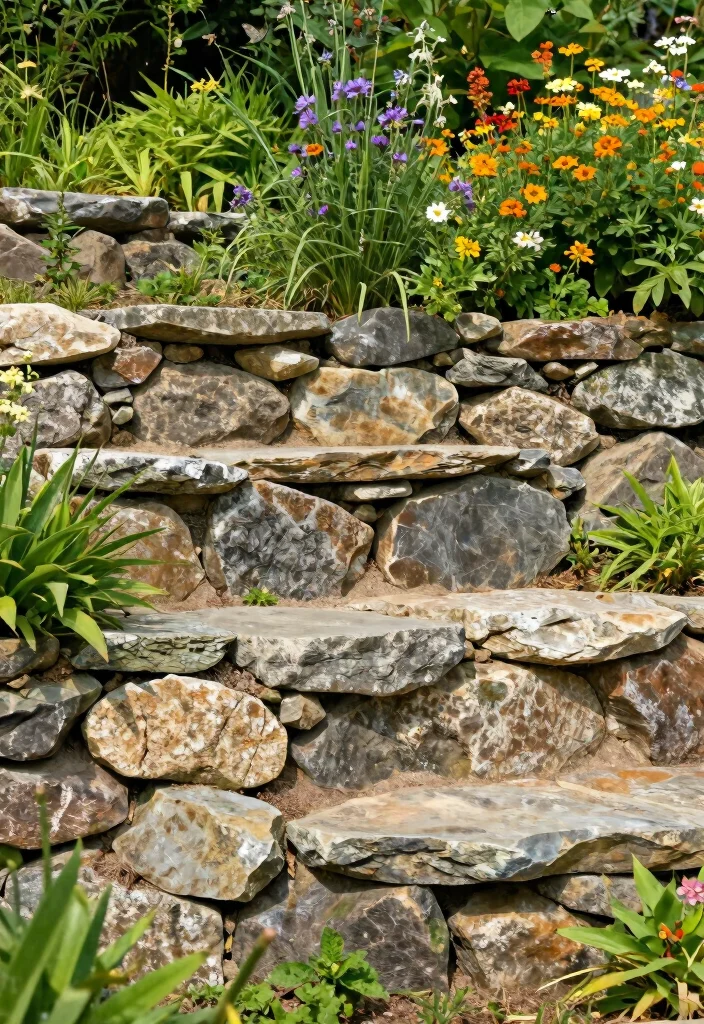
The beauty of natural stone retaining walls lies in their rustic charm and ability to harmonize with any landscape. Their durability and timeless appeal create a stunning backdrop that enhances your outdoor space.
Imagine the elegance of locally-sourced stones, whether in a dry-stack arrangement or bonded with mortar for added strength, seamlessly integrating with lush greenery. This choice not only elevates your design but also supports local artisans and minimizes environmental impact.
To maximize the aesthetic of your stone wall, consider practical tips that enhance both beauty and functionality. For instance, surrounding your wall with native plants can create a cohesive look that feels organic. You can also vary the sizes and shapes of the stones to add visual interest. Here are some suggestions to explore:
– Select stones that complement your home’s exterior.
– Vary stone sizes and shapes for a dynamic appearance.
– Surround your wall with native plants for a natural ambiance.
By embracing the natural weathering of stone, you ensure that your retaining wall remains a stunning feature in your landscape for years to come.

Universal Compatibility: this 4 pack drainage solution works with retaining wall materials from 3 to 8 inches including concrete timber and natural stone; It integrates with many landscape bricks modular blocks flower bed walls and courtyard walls with no extra modifications needed


Universal Compatibility: this 2 Pack drainage solution works with retaining wall materials from 3 to 8 inches including concrete timber and natural stone; It integrates with many landscape bricks modular blocks, flowerbed walls, and courtyard walls with no extra modifications needed
Key Trade-offs & Our Top Pick
When planning your backyard retaining walls, it’s essential to weigh your options carefully. Each type brings unique benefits and drawbacks. Let’s break down some of the most popular choices for your outdoor living spaces.
1. Natural Stone Wonders
– Pros:
– Timeless aesthetic that blends beautifully with nature.
– Extremely durable and sturdy, lasting for decades.
– Cons:
– Can be costly, depending on the type of stone.
– Requires professional installation, which adds to the expense.
– Best for: Homeowners looking for a high-end, natural look that provides long-term value.
2. Timber Elegance
– Pros:
– Offers a warm, rustic feel that enhances garden design ideas.
– More affordable compared to stone options.
– Cons:
– Prone to rot and insect damage if not treated properly.
– May require replacement every 5-10 years.
– Best for: Budget-conscious homeowners who want a natural appearance but are willing to maintain their walls.
3. Recycled Concrete Blocks
– Pros:
– Eco-friendly and often less expensive than new materials.
– Available in various shapes and sizes, allowing for creative designs.
– Cons:
– Can look less polished compared to natural stone or timber.
– Might not blend seamlessly with all outdoor themes.
– Best for: Environmentally conscious individuals who appreciate a modern, industrial look.
4. Gabion Walls
– Pros:
– Attractive and unique design, especially for garden design ideas.
– Provides excellent drainage, reducing erosion issues.
– Cons:
– Can be bulky and require more space than other options.
– Stones may need replacement over time, especially if they’re not secured properly.
– Best for: People looking for a sturdy option that also acts as a sculpture in the landscape.
5. Modular Systems
– Pros:
– Easy to install, making them ideal for DIY enthusiasts.
– Versatile design options allow for customization.
– Cons:
– May not be as durable as natural options.
– Often made from plastic, which some might consider less appealing.
– Best for: DIY homeowners who want a simple and quick installation process.
Expert Recommendation:
Best Overall: Natural Stone Wonders
Natural stone walls are our top pick for most people. They offer unmatched beauty, durability, and a sense of permanence that adds real value to your property. Although they come with a higher price tag and require professional installation, their long-term benefits often outweigh the initial costs. You can be confident they will enhance your outdoor living spaces for years to come.
Why We Picked This:
While natural stone may be the best choice for many, others might prefer timber for its affordability or recycled concrete blocks for their eco-friendliness. Gabion walls appeal to those looking for something unique, while modular systems suit practical DIY enthusiasts. Ultimately, consider your budget, aesthetic preferences, and maintenance willingness when making your choice. Each option has its own charm and practicality, so pick what suits you best!

CREATES CLEAN 90° INSIDE WALL CORNERS — Integrated reinforcing straps help maintain consistent corner alignment during concrete pours.
CREATES CLEAN 90° INSIDE WALL CORNERS — Integrated reinforcing straps help maintain consistent corner alignment during concrete pours.
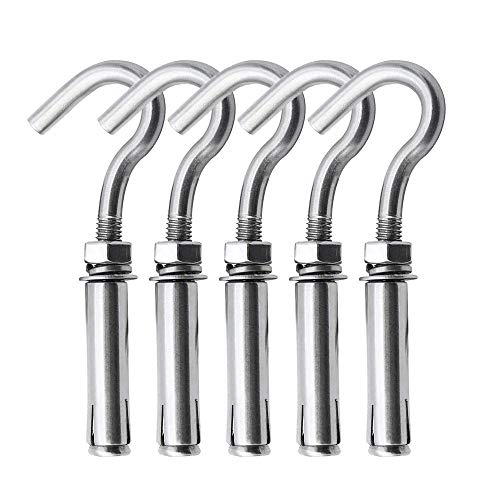
💙MAXIMUM LOAD: M6 heavy duty concrete wall hook holds approximately 264 lbs (120 kg). The expansion design works by tightening the bolt, which draws a tapered cone to expand the sleeve firmly against the hole wall. This creates a strong grip that prevents the hook from pulling out – much stronger than ordinary screws or bolts
2. Timber Elegance
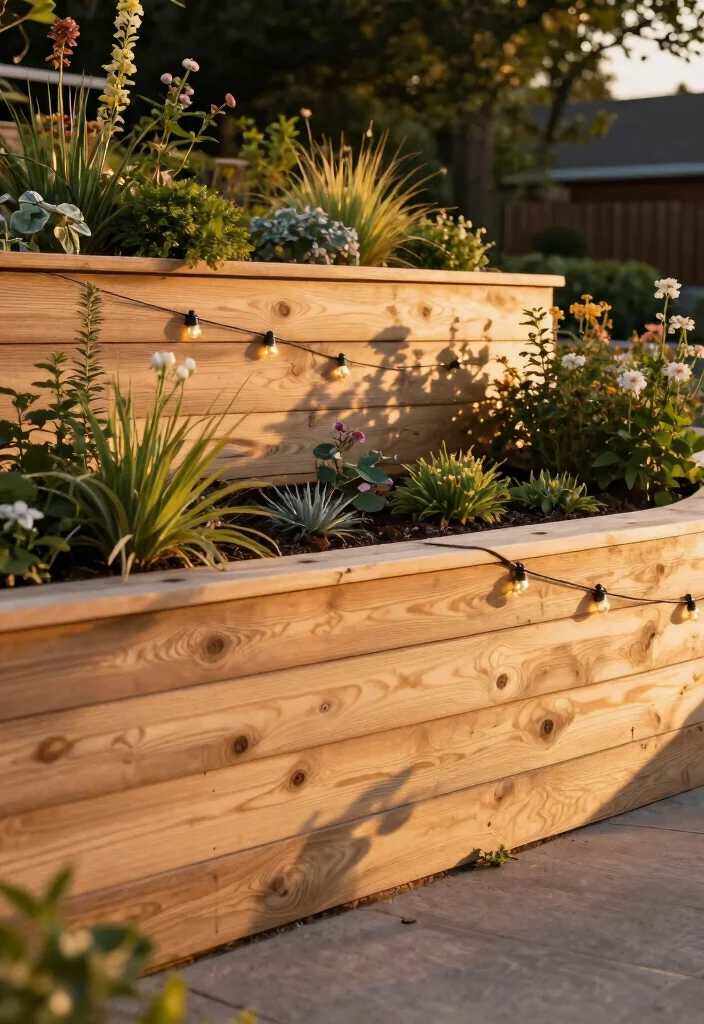
Timber retaining walls bring a warm, inviting feel to your outdoor areas. Their natural aesthetic offers a softer alternative to more rigid materials, making them a favorite for homeowners seeking a serene garden atmosphere.
Sourced sustainably, timber not only beautifies your space but also supports eco-friendly practices. Whether you choose a simple straight wall or opt for a unique tiered design, timber can transform your yard into a cozy retreat.
When planning your timber wall, keep in mind practical approaches that enhance both form and function. Selecting rot-resistant wood like cedar or redwood ensures longevity while maintaining beauty. You can also incorporate landscaping atop the wall to create a seamless blend of nature and structure. Here are some tips to inspire your design:
– Choose rot-resistant wood for durability.
– Add landscaping on top for a natural blend.
– Incorporate lighting elements for evening ambiance.
Timber walls not only delineate spaces but also add character, making them perfect for defining garden beds or pathways.

[10-INCH SOLID RUBBER TIRES AND WHEELS] - Say goodbye to flat tires forever! When you’re out in the field or working along rocky terrain, flat-free solid rubber tires will definitely save your day. Don’t wait for another flat tire! Convert now to a more reliable and durable flat-free tire!

Constructed from premium galvanized steel, this basket offers exceptional resistance to rust and corrosion, ensuring long-term durability in various outdoor environments.
Robust Construction: Engineered from heavy duty galvanized steel, this gabion cage provides a sturdy foundation for retaining walls or garden structures, ensuring structural integrity for heavy load requirements.
3. Recycled Concrete Blocks
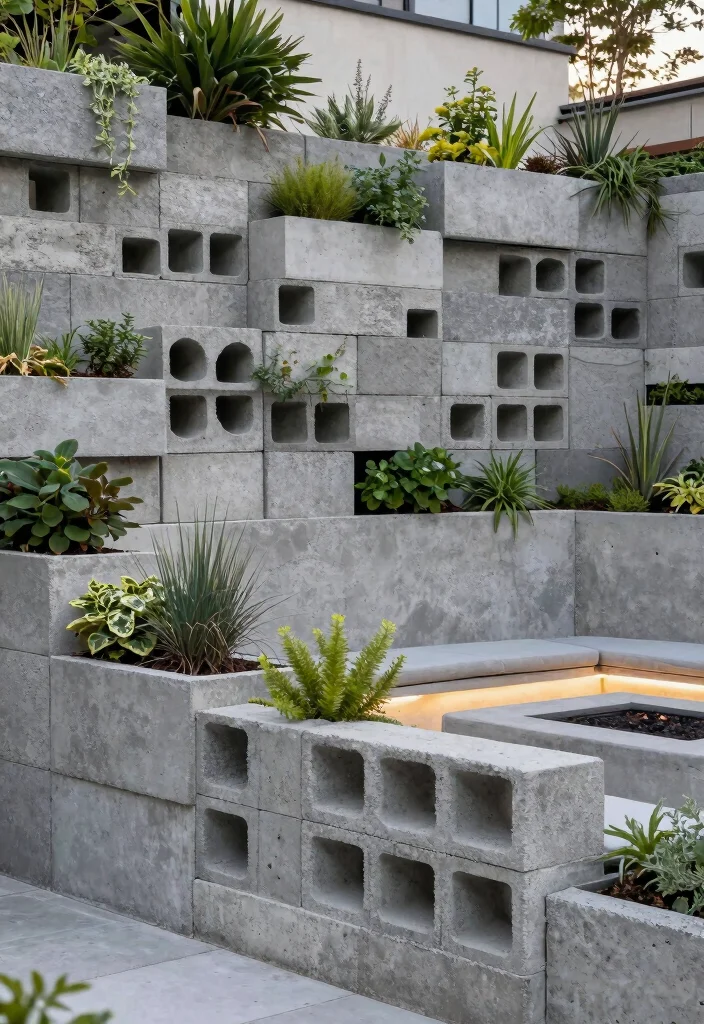
Recycled concrete blocks present an innovative, eco-friendly solution for modern retaining walls. Their strength and versatility make them a go-to choice for erosion control while allowing for creative designs that suit any outdoor space.
Imagine stacking these blocks in unique configurations or using vibrant colors to express your style. This sustainable option not only supports the environment but also adds a contemporary twist to your landscaping.
As you design with recycled concrete blocks, consider creative ways to enhance their functionality. Painting or staining the blocks can add a personalized touch, while utilizing the spaces between them for planting herbs or succulents injects life into your wall. Here are some ideas to explore:
– Paint or stain blocks to match your outdoor decor.
– Use gaps for planting herbs or succulents.
– Incorporate built-in seating for added functionality.
With their modern lines and robust structure, recycled concrete blocks elevate your outdoor living space while being kind to the planet.
![GUSTO 16 oz Kraft Paper Coffee Cups [100 Count] Unbleached](https://m.media-amazon.com/images/I/417RtP-Dt1L._SL500_.jpg)
Material: Made from unbleached kraft paper, these brown paper cups are eco-friendly and biodegradable, offering a sustainable alternative to traditional disposable cups.

Sustainable Elegance: Our preserved moss is meticulously treated to retain its color appearance for a long time, requiring no maintenance. Enjoy the beauty of real moss art hassle-free.

[Material Composition and Strength]: Crafted from recycled rubber materials and framed with durable satin finish aluminum, offering a sustainable build that withstands daily use
4. Gabion Walls
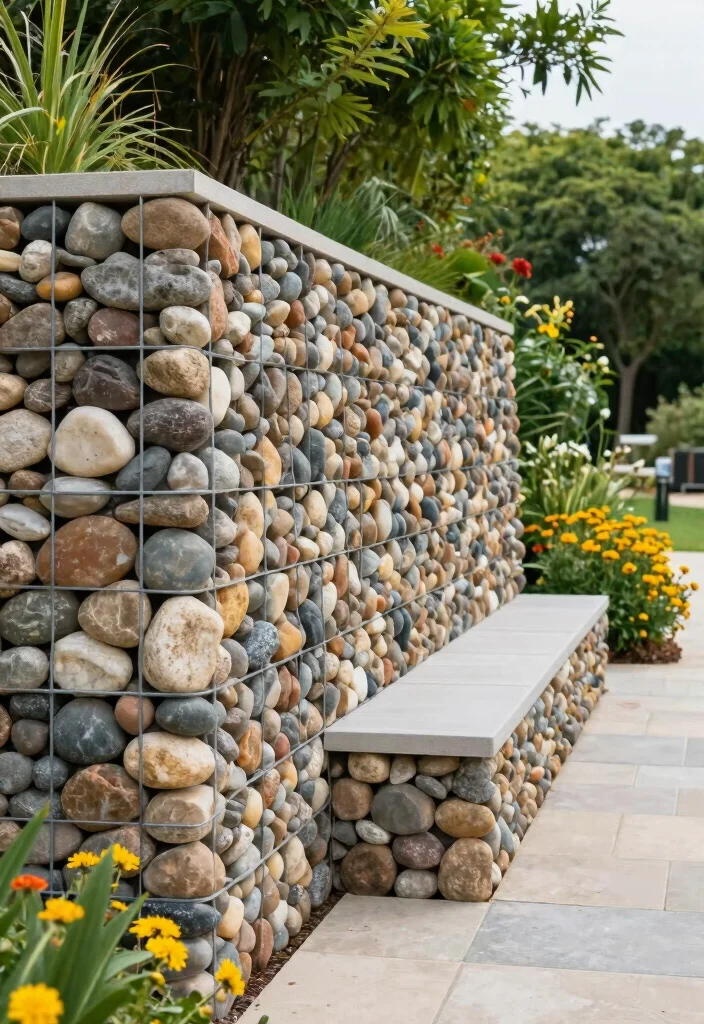
Gabion walls offer a striking and artistic approach to retaining walls, blending functionality with creativity. Constructed from wire mesh and filled with stones or other materials, they provide erosion control while serving as a unique focal point in your landscape.
The design possibilities are endless, allowing you to fill the mesh with reclaimed bricks, pebbles, or even colorful glass for a standout feature.
When considering gabion walls, think about how to maximize their aesthetic and practical benefits. Their durability and low maintenance needs make them a smart choice for any homeowner. Here are some advantages to keep in mind:
– Gabion walls are highly durable and require minimal upkeep.
– They effectively drain water, preventing soil erosion.
– Use them as bases for planters or seating areas.
The distinct texture and appearance of gabion walls can turn your backyard into a captivating space that sparks conversation.
Gabion walls show that sustainability can be stunning. Fill sturdy wire mesh with stones, reclaimed bricks, or glass to create a bold feature for your backyard retaining walls.

HEAVY DUTY 8 OZ GEOTEXTILE FABRIC: Heavy duty non woven polypropylene drainage and filter fabric for French drains, retaining walls, road stabilization, erosion control, landscaping, rip rap, geocell, and construction projects.
HEAVY DUTY 8 OZ GEOTEXTILE FABRIC: Heavy duty non woven polypropylene drainage and filter fabric for French drains, retaining walls, road stabilization, erosion control, landscaping, rip rap, geocell, and construction projects.
HEAVY DUTY 8 OZ GEOTEXTILE FABRIC: Heavy duty non woven polypropylene drainage and filter fabric for French drains, retaining walls, road stabilization, erosion control, landscaping, rip rap, geocell, and construction projects.
5. Modular Systems
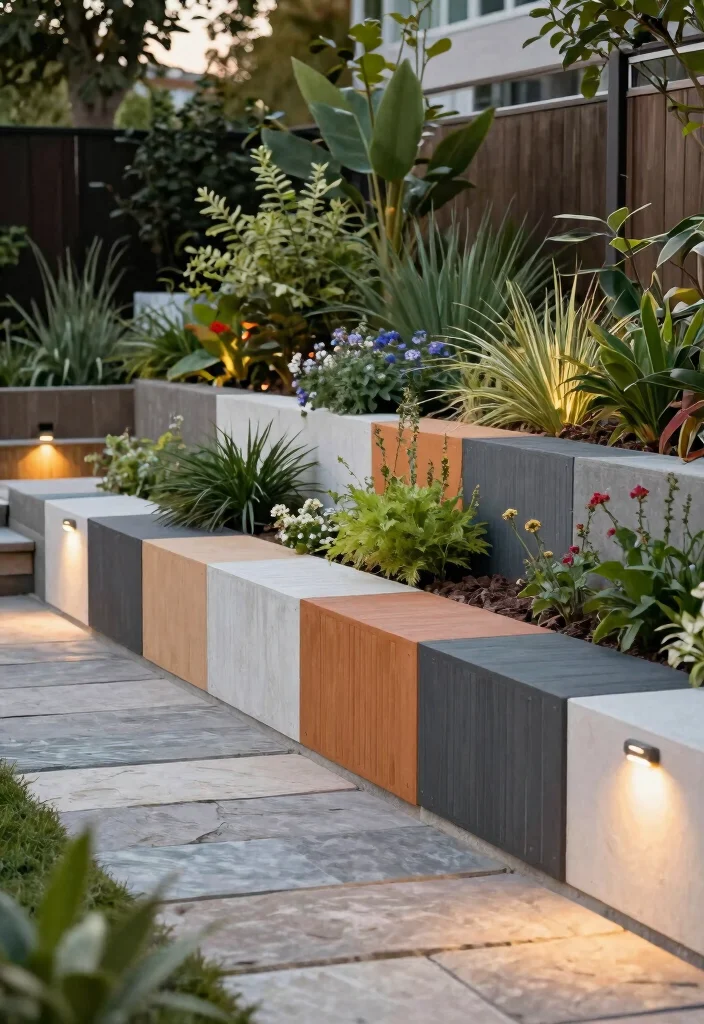
If you’re looking for a blend of ease and design in your retaining walls, modular systems are an excellent choice.
These precast units simplify installation, making them perfect for DIY projects while offering aesthetic versatility in various shapes, sizes, and colors. This adaptability allows you to create personalized designs that fit your style and landscape needs.
As you consider using modular systems, take advantage of their practical benefits. The minimal site preparation required can save time and labor costs, making them an economical option for your project. Here are some considerations to enhance your design:
– Use minimal site preparation to save time and costs.
– Easily expand or modify as your landscaping evolves.
– Incorporate a tiered design for visual interest.
With their flexibility, modular systems seamlessly integrate into diverse landscaping styles, enhancing your outdoor spaces.

No cutting concrete wall block, timbers or stone

No cutting concrete wall block, timbers or stone

Great for bonding masonry block and natural stone
6. Living Walls
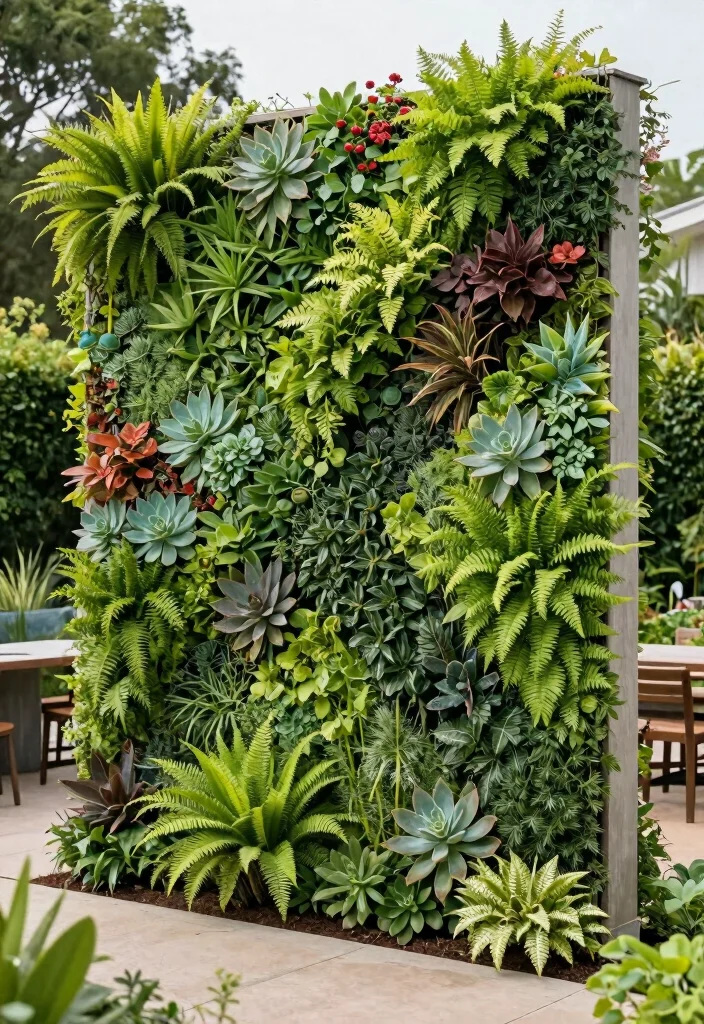
Living walls, also known as green walls, seamlessly merge beauty with sustainability by incorporating plants directly into their structure. This innovative design not only enhances the aesthetic of your outdoor space but also supports biodiversity and effective erosion control.
Imagine a vibrant wall alive with greenery, adding a fresh touch to your garden while contributing to the ecosystem.
When planning a living wall, select plants suited to your climate and sunlight conditions for optimal growth. Consider the numerous benefits this design offers, such as natural insulation and air purification. Here are some advantages to consider:
– Provide natural insulation and cooling for your home.
– Help purify the air and enhance biodiversity.
– Serve as a stunning focal point in your garden design.
With a living wall, you can transform a traditional retaining wall into a dynamic ecosystem that brings life to your landscape.

CREATES CLEAN 90° INSIDE WALL CORNERS — Integrated reinforcing straps help maintain consistent corner alignment during concrete pours.
CREATES CLEAN 90° INSIDE WALL CORNERS — Integrated reinforcing straps help maintain consistent corner alignment during concrete pours.
CREATES CLEAN 90° INSIDE WALL CORNERS — Integrated reinforcing straps help maintain consistent corner alignment during concrete pours.
7. Brick & Mortar Charm
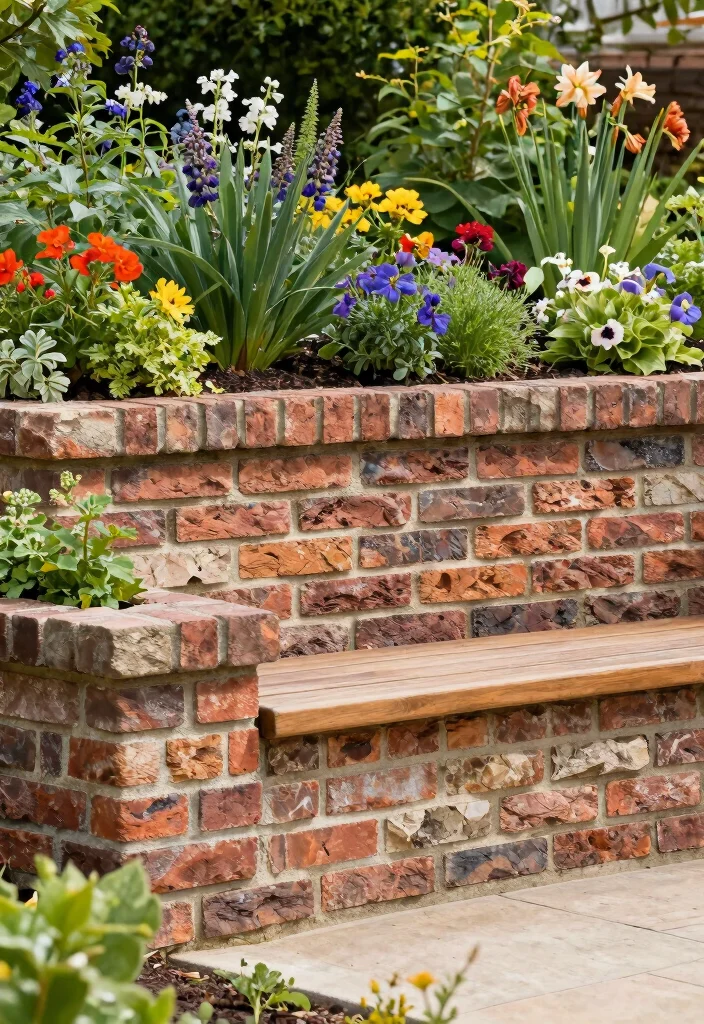
The classic appeal of brick walls is undeniable, offering timeless elegance and durability for your outdoor spaces. A brick retaining wall can add character and support to your landscaping while ensuring it stands the test of time.
Using reclaimed bricks not only enhances sustainability but also adds a unique history to your design.
As you plan your brick wall, consider how to enhance its visual impact. You might opt for a curved or semicircular design for a softer look or play with contrasting mortar colors to elevate the overall aesthetic. Here are some tips to inspire your project:
– Create a curved or semicircular wall for a softer appearance.
– Use contrasting mortar colors to enhance the design.
– Incorporate built-in planters for herbs or flowers.
A brick retaining wall embodies timeless tradition, making it a versatile addition to any outdoor living space.
❝ Fun fact: Reclaimed bricks cut embodied energy by up to 30% while adding instant character to backyard retaining walls. Try a gentle curved layout or semicircle to soften lines and boost curb appeal!

Match any interior aesthetic: Two display styles let you coordinate with rustic, classic or modern coastal, cottage and beach home decor layouts

Constructed from galvanized steel, this basket offers reliable resistance to rust, contributing to its longevity in outdoor environments.
Constructed from galvanized steel, this basket offers resistance to corrosion, contributing to its longevity in outdoor environments.
8. Earth Berms
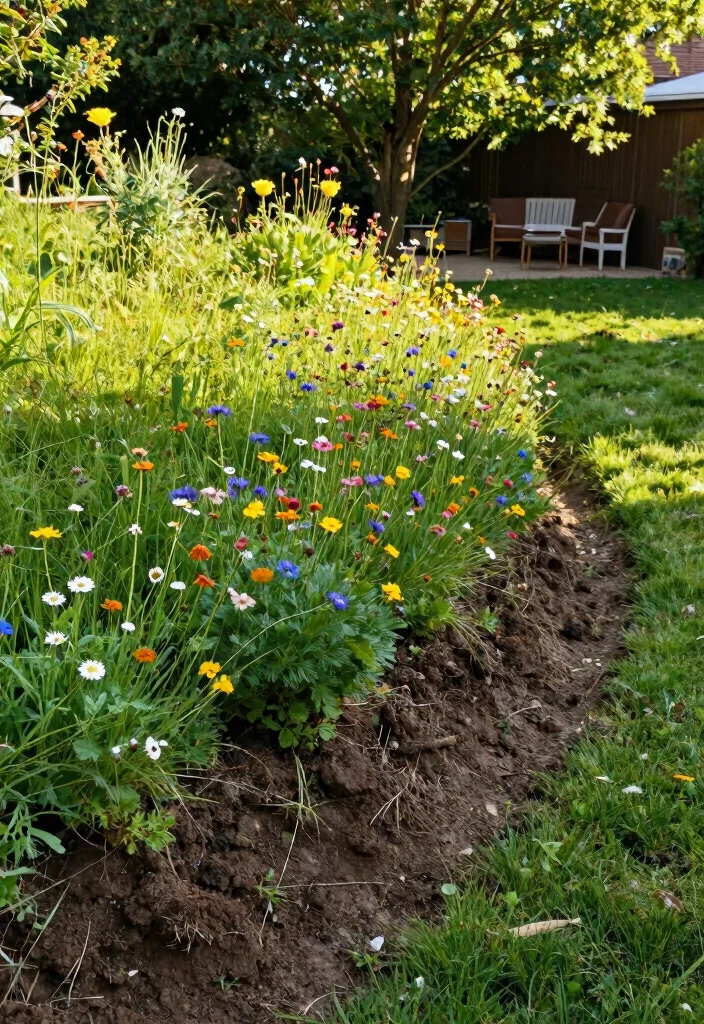
Earth berms provide an eco-friendly and natural approach to erosion control while adding unique features to your landscape. These mounds of soil can be dressed with grass or flowers, creating a beautiful focal point in your backyard.
They can serve various purposes, such as privacy screens or noise barriers, making them highly functional.
When designing earth berms, think about their benefits and how they can enhance your property. They improve natural drainage and manage water runoff effectively, which is a plus for your landscape. Here are some benefits to keep in mind:
– Promote natural drainage and manage water runoff.
– Shape berms to guide pathways or define garden spaces.
– A budget-friendly option using primarily existing soil.
Incorporating earth berms into your design can add depth and dimension while supporting sustainable landscaping practices.
Fun fact: Earth berms can reduce runoff by up to 30% during heavy rains, while adding natural beauty to your backyard. Build a low, grassy mound and enjoy better drainage, privacy, and a unique focal point for backyard retaining walls.

Multi-Purpose Grid: Perfect for Landscaping, Playgrounds, Fire Access Lanes, Ports, and Embankments. This versatile solution enhances Slope Driveways, Walkways, Parking Lots, and Trails, providing stability and durability for various applications. Transform your outdoor spaces with our reliable grid system designed to meet diverse needs while ensuring safety and efficiency.

PREMIUM-QUALITY MATERIALS: Our moss are 100% natural and is crafted from PREMIUM-quality materials, ensuring its durability and long-lasting beauty. Made with attention to detail, this piece is built to withstand the test of time and maintain its elegance in any room.
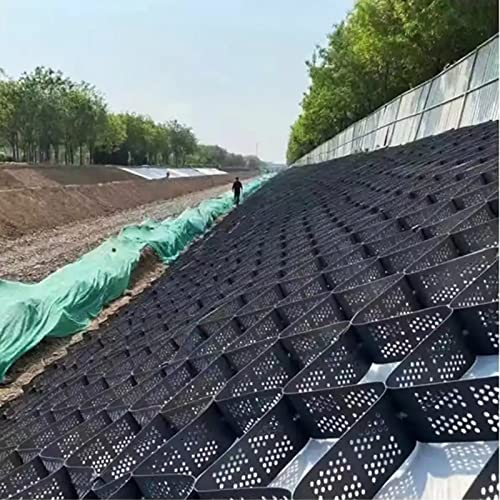
Enhance Your Outdoor Spaces with Our Multi-Purpose Grid. Perfect for Landscaping, Playgrounds, Fire Access Lanes, Ports, and Embankments. This versatile solution is also suitable for Slope Driveways, Walkways, Parking Lots, Tra, and various other applications. and easy to install, it provides stability and support for a wide range of environments.
9. Steel Edging Walls
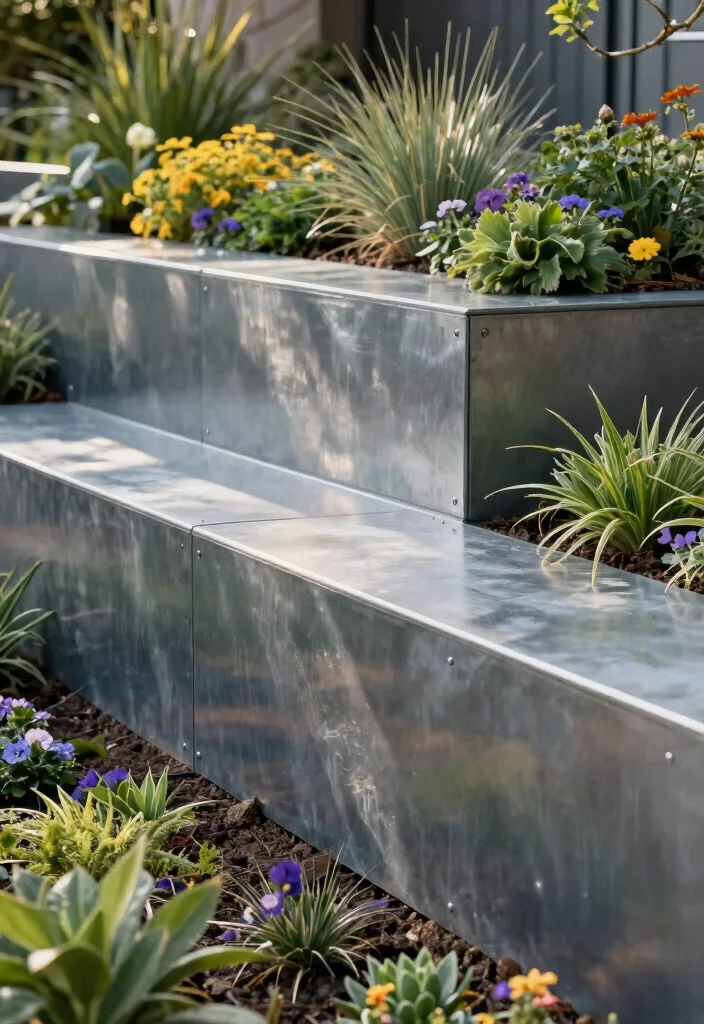
For a modern and sleek appearance, steel edging walls stand out as a unique alternative to traditional retaining walls. These metal structures provide durability while allowing for clean lines and contemporary design, making them ideal for modern gardens.
Their effectiveness at holding soil in place adds both functionality and visual appeal to your outdoor space.
As you consider steel edging walls, think about how to enhance their aesthetic. You can paint the steel to match your outdoor decor or allow it to develop a natural patina over time for a rustic look. Here are some tips for incorporating them:
– Paint the steel to coordinate with your outdoor aesthetic.
– Pair with boulders or plants to soften the look.
– Use in a tiered configuration for added visual interest.
Steel edging walls combine form and function beautifully, making them an excellent choice for sustainable landscapes.

HEAVY DUTY ROAD FABRIC: Our woven polypropylene fabric is a true 4 oz, ensuring superior strength and durability for driveway and road stabilization. Don't settle for lighter weights when you can have the best.
HEAVY DUTY 8 OZ GEOTEXTILE FABRIC: Heavy duty non woven polypropylene drainage and filter fabric for French drains, retaining walls, road stabilization, erosion control, landscaping, rip rap, geocell, and construction projects.
HEAVY DUTY 8 OZ GEOTEXTILE FABRIC: Heavy duty non woven polypropylene drainage and filter fabric for French drains, retaining walls, road stabilization, erosion control, landscaping, rip rap, geocell, and construction projects.
10. Stone Veneer Walls
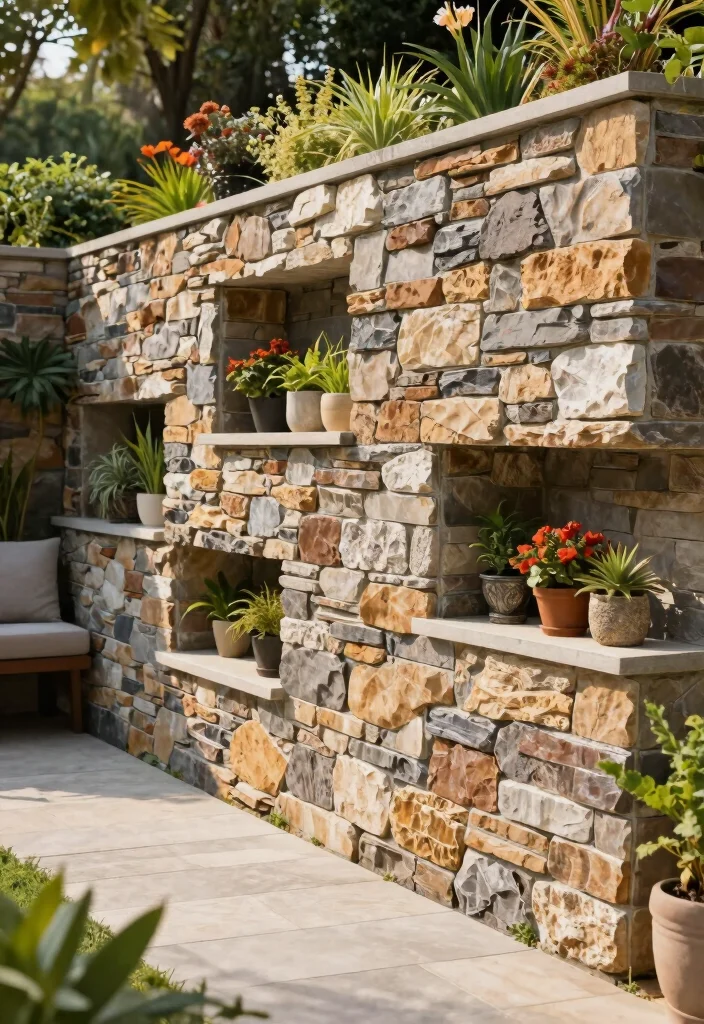
Stone veneer retaining walls marry the strength of concrete with the beauty of natural stone, offering a blend of durability and aesthetic appeal. This design provides a variety of looks, from rustic to contemporary, while maintaining excellent structural integrity.
The versatility of stone veneers allows for an array of colors and textures that can enhance any outdoor setting.
When planning your stone veneer wall, consider creative ways to maximize its visual impact. Pairing stone veneer with a concrete base can enhance stability, while using varying sizes of stones contributes to an eclectic and inviting design. Here are some insights to enhance your project:
– Pair stone veneer with a concrete base for added stability.
– Use different stone sizes for an eclectic look.
– Create niches for planting or decorative elements.
Stone veneer walls are an elegant solution that elevates your outdoor living spaces while providing strong support for your landscaping.
11. Artistic Sculptural Walls
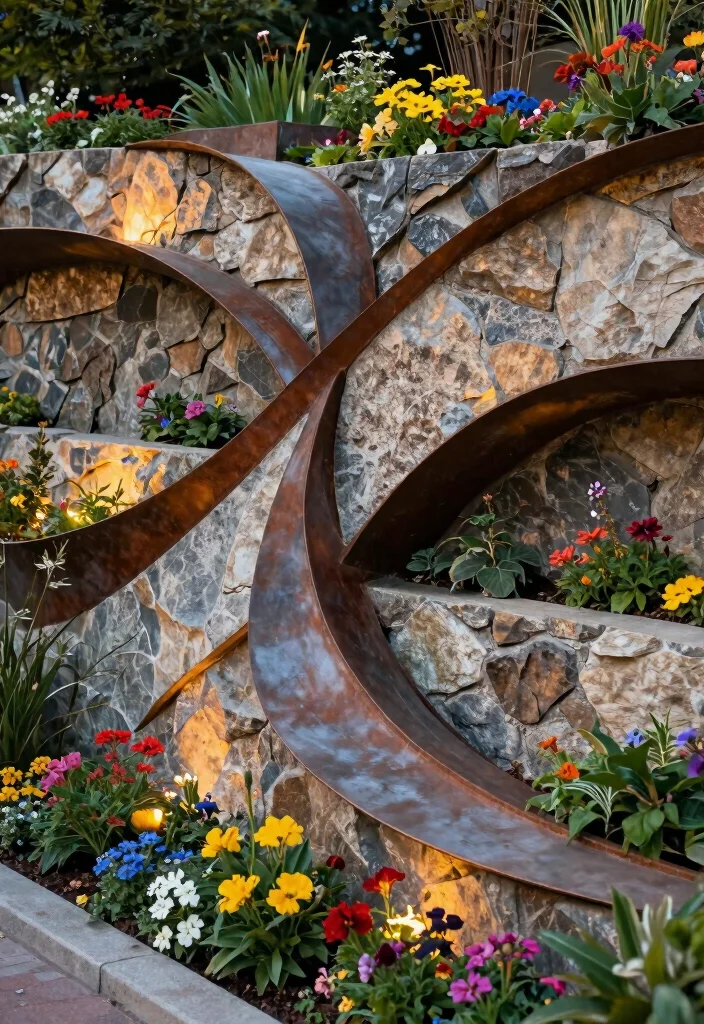
Artistic sculptural walls introduce a unique blend of art and functionality into your outdoor area. These walls can be crafted from various materials and shaped into distinctive forms while serving as practical retaining walls.
This design approach allows for individual expression and creativity in your garden.
When creating sculptural walls, consider how to make them truly stand out. Utilizing mixed materials like recycled glass or metal can result in a one-of-a-kind look that captivates attention. Here are some suggestions to inspire your design:
– Use mixed materials to create a unique appearance.
– Add lighting elements to highlight sculptures at night.
– Create a mural or interactive piece for a captivating focal point.
Such walls can transform a simple structure into a work of art that defines your outdoor space.
12. Hybrid Walls
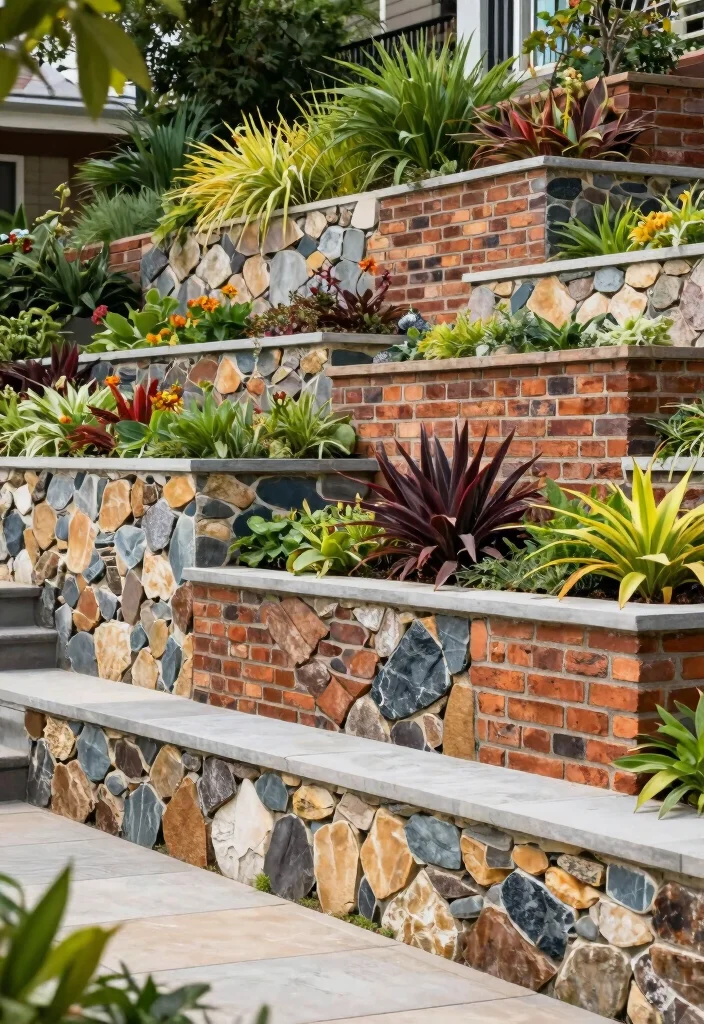
Hybrid walls represent a creative fusion of materials, combining various stones, bricks, and plants for an eye-catching design. This innovative approach allows homeowners to express their unique style while benefiting from the functionality of each material used.
The result is a custom look that enhances your landscape and reflects your personality.
As you design hybrid walls, think about how to mix textures and colors for visual interest. Incorporating plants and greenery softens the overall appearance, adding a natural touch to the structure. Here are some elements to consider:
– Mix textures and colors for a dynamic design.
– Incorporate greenery to soften the look.
– Vary heights and layers for added depth.
With hybrid walls, you can create a distinctive aesthetic that perfectly complements your outdoor space while fulfilling the practical needs of a retaining wall.
13. Terraced Designs
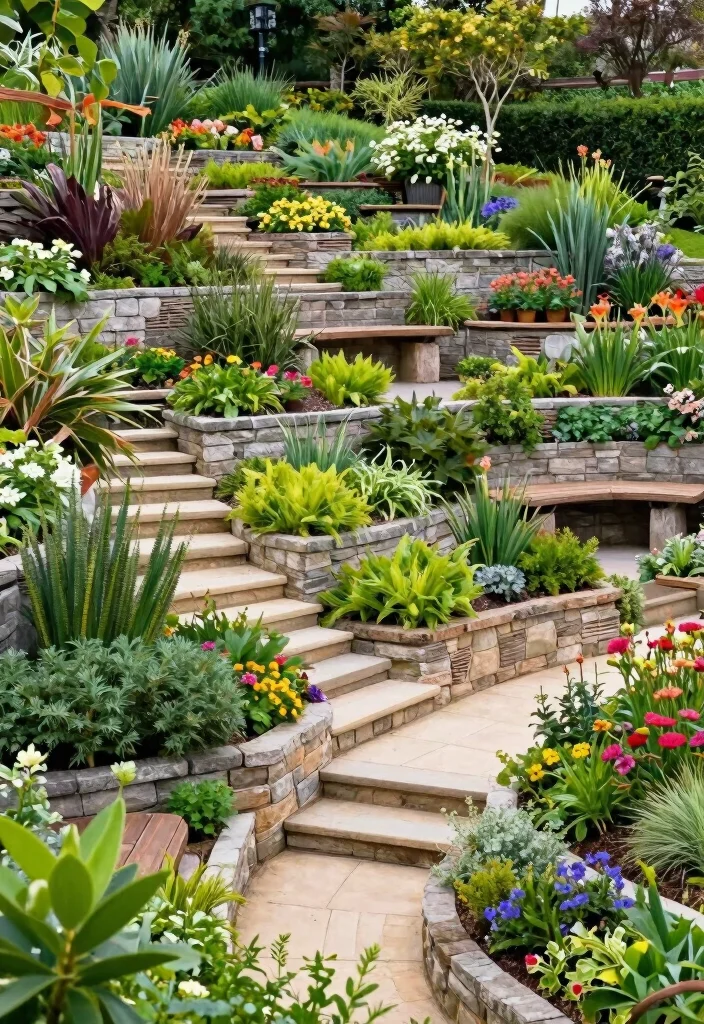
Terraced designs utilize multiple retaining walls to create flat, usable areas in hilly landscapes. This approach not only prevents erosion but also maximizes the functional space available in your yard.
By creating different levels, you can design unique gardens that thrive on varying elevations.
As you plan your terraced designs, consider how to enhance accessibility and visual appeal. Using different materials for each level can create intriguing contrasts, while adding steps or pathways ensures easy movement between levels. Here are some tips to inspire your design:
– Use different materials for each level to enhance visual interest.
– Incorporate steps or pathways for accessibility.
– Add seating areas on each terrace for inviting outdoor spaces.
Terraced retaining walls enrich your outdoor living experience while effectively managing slopes.
14. Integrated Water Features
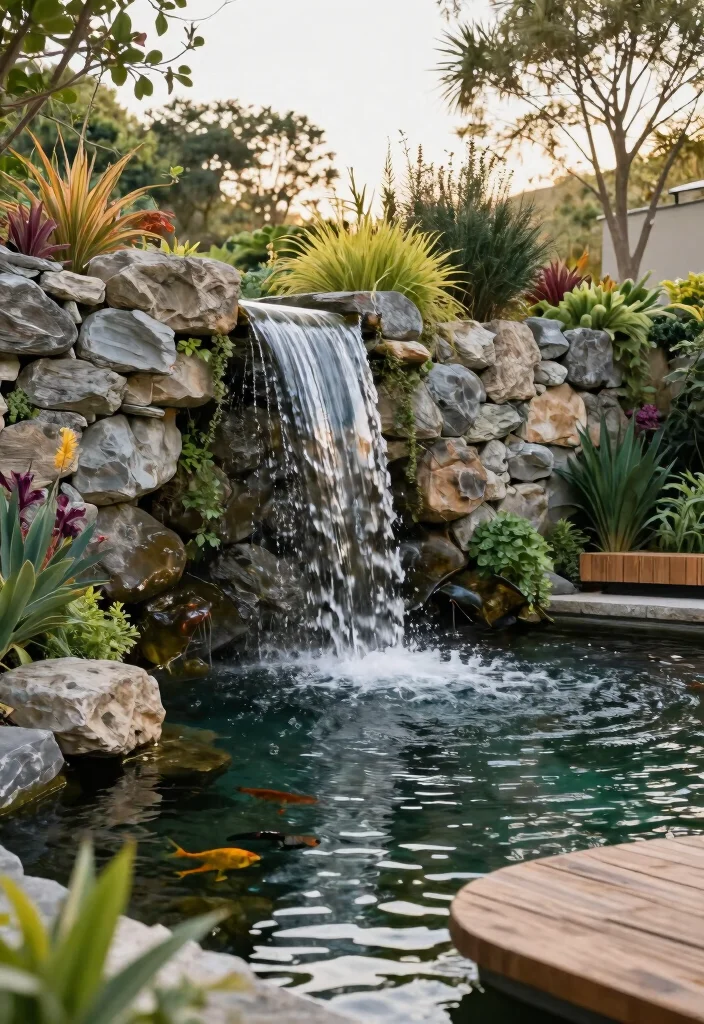
Incorporating water features into your retaining walls elevates their aesthetic and functional value. Water elements can assist with drainage while adding a tranquil touch to your outdoor space.
Imagine a beautifully designed wall serving as a backdrop for a soothing fountain or a cascading waterfall that enhances the natural beauty of your garden.
When integrating water features, consider the types of plants that can thrive in this environment to promote biodiversity. It’s also essential to plan for adequate drainage to prevent erosion and water buildup. Here are some ideas to consider:
– Use native aquatic plants to enhance biodiversity.
– Plan for effective drainage to prevent water issues.
– Create seating areas nearby for a peaceful retreat.
Water features introduce life and movement to your landscape, transforming your outdoor area into a serene oasis.
Conclusion
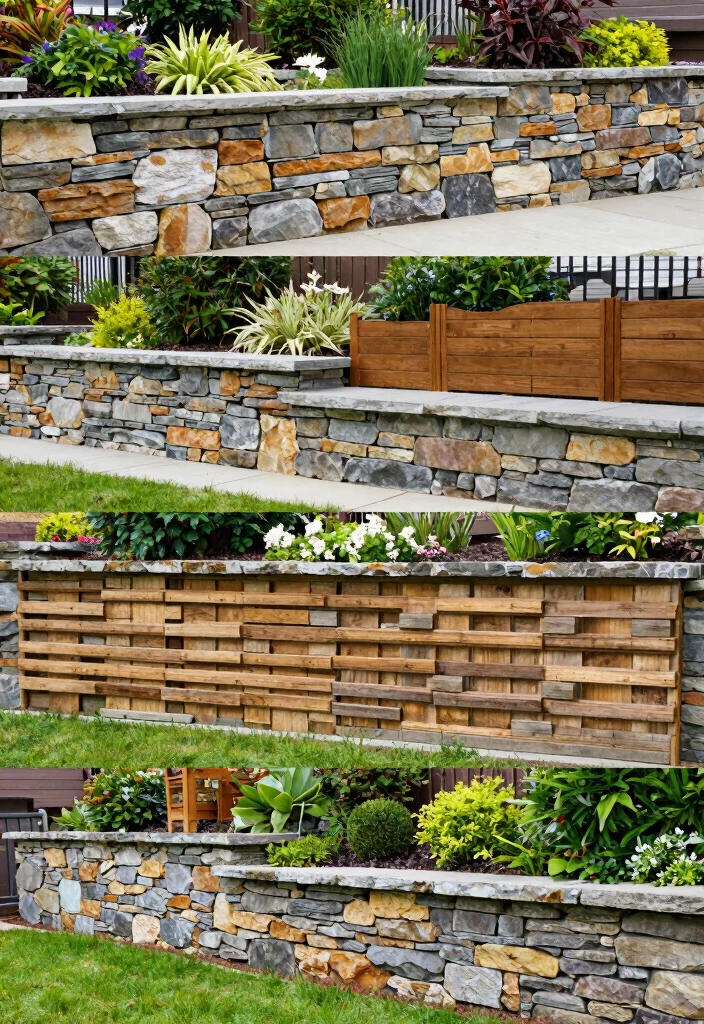
Incorporating a retaining wall in your backyard isn’t just about functionality; it’s also about creating a space that reflects your style and values.
From natural stone to innovative hybrids, each design option holds the potential to enhance your outdoor living experience. Consider your landscape needs and aesthetic preferences when selecting a design.
With the right retaining wall, you can create a lasting impact on your home’s exterior!
We invite you to explore the possibilities and share your favorite designs!
Frequently Asked Questions
What Are the Best Sustainable Materials for Backyard Retaining Walls?
Choosing sustainable materials for backyard retaining walls means balancing durability, aesthetics, and environmental impact. Consider options like stone or recycled concrete blocks, gabion walls with recycled steel, and responsibly sourced timber. Each material has its pros: stone and concrete blocks are long-lasting and low maintenance; gabions offer great drainage and reuse opportunities; timber can look warm and natural but needs rot resistance and proper sealing. Before choosing, assess soil type, drainage, and wall height to ensure you select retaining wall materials that perform well under your site’s conditions. Don’t forget to plan for drainage behind the wall and proper backfill to prevent erosion, a key erosion control solutions in landscape architecture projects. Start small with a test section, and check local codes for permits.
How Can Backyard Retaining Walls Enhance Outdoor Living Spaces and Garden Design Ideas?
Backyard retaining walls are more than support structures; they’re tools to expand outdoor living spaces and create garden design ideas in your yard. Use walls to create seating nooks, raised herb beds, or terraced steps that connect different levels. Integrate built-in lighting, hidden planters, and color-coordinated plantings to guide movement and define zones—think a cozy seating area near a water feature or a sunny herb terrace. For landscape architecture influence, choose materials that complement existing architecture and soil conditions, and plan sightlines from your home to the wall. If you’re aiming for low maintenance, select durable materials in neutral tones and design for proper drainage to protect your wall and soil, an essential element in any strong erosion control solutions plan.
What Maintenance Is Needed to Keep Backyard Retaining Walls Strong for Years?
Regular maintenance is the secret to long-lasting backyard retaining walls. After heavy rains, inspect for bulges, cracks, or loose units and address them promptly. Check drainage paths and ensure the area behind the wall remains dry; clear debris from weep holes and verify backfill isn’t washing out. Clean moss or weeds that could trap moisture, and repoint or reseal mortar or concrete joints as needed. Trim encroaching roots from nearby trees to reduce pressure. In winter, remove snow and ensure ground frost doesn’t lift or crack the wall. With a simple annual check, you’ll keep your wall sturdy, preserving both retaining wall materials and the beauty of your outdoor living spaces.
What Are Cost-Effective Erosion Control Solutions for Backyard Retaining Walls?
To keep soil in place and protect your wall, focus on solid drainage and soil stabilization. Use proper backfill with a drainage aggregate and install a perforated drainage pipe or weep hole system to move water away, a core erosion control solutions idea. Add geotextile fabric where needed to separate soil layers and prevent mixing of fines. Plant with deep-rooted groundcovers or grasses on the uphill side to trap soil while keeping maintenance simple. Choose retaining wall materials that shed water and resist weather. Keep the top of the wall capped and mulched to reduce splash erosion. Implement a temporary or permanent slope stabilization plan as part of your garden design ideas and ensure compatibility with landscape architecture standards.
Should I Hire a Professional or DIY for Backyard Retaining Walls Using Sustainable Materials?
DIY is feasible for small, low walls, but for taller or complex backyard retaining walls projects, a professional touch helps. A licensed landscape architecture professional or civil engineer can design for proper drainage, soil testing, and load calculations, ensuring your project aligns with best practices. Get at least 2–3 quotes, review portfolios featuring garden design ideas and outdoor living spaces, and verify permits and local building codes. If you go the DIY route, start with a simple, short wall, use sturdy retaining wall materials and install drainage first. Either way, plan for maintenance and future upgrades to keep your wall resilient for years.
Related Topics
home decor
landscape architecture
backyard retaining walls
sustainable materials
garden design
erosion control
outdoor living
DIY landscaping
advanced techniques
modern design
eco-friendly solutions
patio ideas