An organic mattress contains at least 95% certified organic materials, verified by independent certifications like GOLS and GOTS. Unlike vague “non-toxic” claims, these certifications prove your mattress avoids harmful flame retardants, VOCs, and synthetic additives.
You spend a third of your life sleeping on it, making material quality directly impact your health and sleep quality. Organic mattresses naturally resist allergens, regulate temperature better, and last 20 to 25 years.
While pricier upfront, you’ll save money through durability and reduced health risks. Discover which options fit your budget and needs.
What Makes a Mattress Truly Organic (And How to Spot Marketing Hype)
How can you tell if a mattress is genuinely organic or just marketing smoke and mirrors?
Look for these red flags and green lights:
- Non-toxic claims are unregulated marketing language. Don’t fall for them.
- Real organic mattresses contain 95% organic content across all materials.
- GOTS certification verifies organic cotton and organic wool integrity.
- GOLS certification confirms organic latex quality and sourcing.
Seek credible third-party certifications like OEKO-TEX Made in Green. These require independent verification from farm to factory.
When you choose certified organic materials, you’re selecting mattresses backed by actual compliance standards rather than unverified claims. Certification represents the substantive difference between genuine products and greenwashing.

100% Organic Cotton: Keep your newborn perfectly comfortable all night. 100% GOTS certified fabric acts as a soothing layer against delicate skin. These breathable baby bed sheets help prevent overnight discomfort and sweat.

CLEAN SLEEP STARTS WITH CLEAN MATERIALS: Designed for heavier sleepers and bigger bodies, this mattress offers a true medium firm feel — not plush, soft, or sink-in. The pillowtop adds comfort, but responsive natural latex cushions without collapsing, creating a lifted, supportive feel with bounce-back. Your body can tell the difference between natural and synthetic; that is why everything your body touches is 100% Certified Organic Cotton.
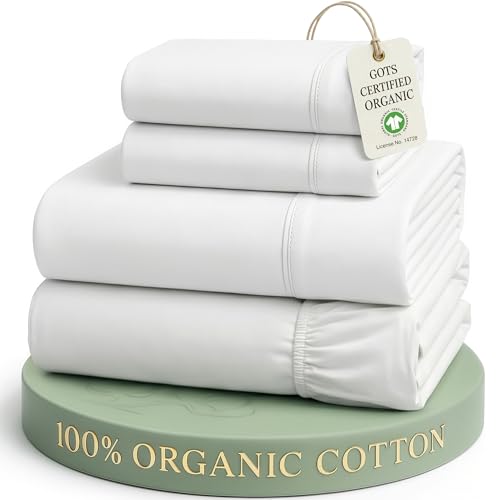
Naturally Cooling Organic Comfort : Stay cool and comfortable with Lane Linen 100% Organic Cotton Percale Queen Sheets, made from GOTS Certified organic cotton. The crisp percale weave and finer yarns create a lightweight, breathable feel that promotes airflow and balanced temperature for year-round comfort. Gets softer and smoother with every wash. Great as deep pocket Queen sheets, a cooling Queen sheet set, and breathable Queen bed sheets.
Organic vs. Non-Toxic: What’s the Real Difference?
Organic vs. Non-Toxic: What’s the Real Difference?
Once you understand what truly makes a mattress organic, you’ll spot a completely different marketing claim: “non-toxic.” These two terms sound similar, but they’re actually worlds apart.
Non-toxic mattresses claim to avoid certain harmful chemicals, while organic mattresses prove their materials meet rigorous certification standards.
Here’s what separates them:
Non-toxic claims are unregulated. Brands can say “non-toxic” without proving they’ve eliminated formaldehyde or polyurethane foam concerns.
They’re simply avoiding specific chemicals.
Organic certification demands proof. GOTS certification guarantees organic textiles.
GOLS certification proves certified organic latex. These standards control sourcing, processing, and manufacturing.
The real difference: non-toxic doesn’t mean organic. It doesn’t prevent off-gassing or guarantee environmental safeguards.
Organic mattresses reduce your exposure to toxic chemicals throughout the entire product. When you’re choosing between them, certification provides verified standards rather than unsubstantiated marketing language.

CLEAN SLEEP STARTS WITH CLEAN MATERIALS: Your body can tell the difference between natural and synthetic; that is why everything your body touches on this natural mattress is 100% Certified Organic Cotton, unlike other mattresses that hide material blends in the fine print.
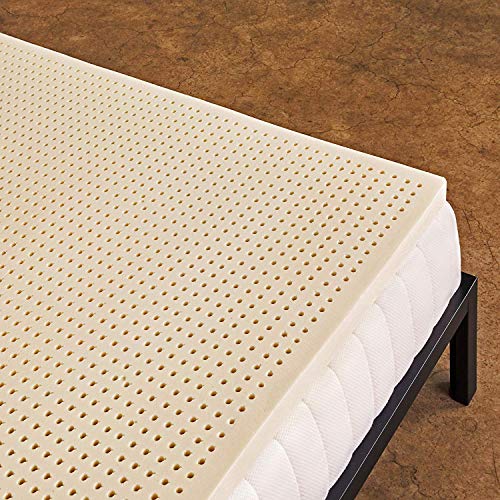
Soft - Great for Adding Softness to the Surface of a Mattress
Soft - Great for Adding Softness to the Surface of a Mattress
Hidden Chemicals in Non-Organic Mattresses
Why do so many of us wake up feeling worse than when we went to bed?
Non-organic mattresses release volatile organic compounds (VOCs) while you sleep. These hidden chemicals come from flame retardants, memory foam off-gassing, and synthetic latex concerns.
You’re breathing in petrochemicals, phosphates, and boric acid for 200,000+ hours of your life.
| Chemical Type | Source | Health Effect |
|---|---|---|
| Flame retardants | Non-organic mattresses | Hormonal disruption |
| VOCs | Memory foam off-gassing | Headaches, nausea |
| Synthetic additives | Synthetic latex concerns | Respiratory issues |
GOTS-certified organic cotton and GOLS-certified latex eliminate these dangers. Non-toxic materials protect you from health risks from additives like dizziness and asthma.
Sleep quality directly impacts daily cognitive function and physical recovery. Choosing organic means breathing cleaner air nightly and reducing long-term chemical exposure.

[Grounding Sheets for Better Health] Unlock a world of health benefits with our Earth Grounding Sheets, designed to harness the earth's natural energy. By connecting to the Earth’s electron current during sleep, you'll enhance sleep quality, boost energy levels, improve circulation, and reduce inflammation and muscle tension. Grounding, also known as earthing, unlocks this natural energy source, nurturing and restoring your body deeply. Get ready to experience refreshed mornings, renewed energy, and a sense of rejuvenation.
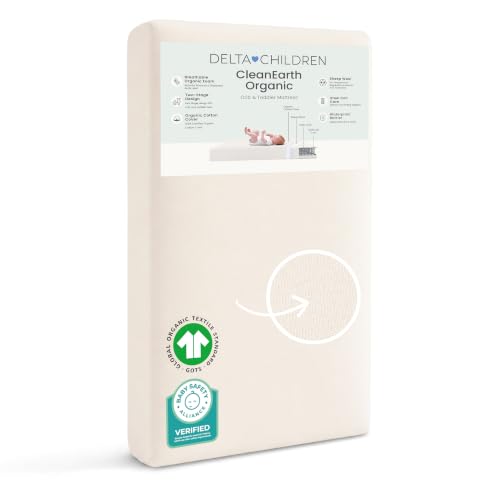
CERTIFIED ORGANIC: Made with certified organic materials, this fully GOTS-certified crib mattress ensures the healthiest sleep environment for your baby

[Grounding Sheets for Better Health] Unlock a world of health benefits with our Earth Grounding Sheets, designed to harness the earth's natural energy. By connecting to the Earth’s electron current during sleep, you'll enhance sleep quality, boost energy levels, improve circulation, and reduce inflammation and muscle tension. Grounding, also known as earthing, unlocks this natural energy source, nurturing and restoring your body deeply. Get ready to experience refreshed mornings, renewed energy, and a sense of rejuvenation.
What GOLS and GOTS Certifications Actually Mean
Now that you know which chemicals hide in regular mattresses, you’re probably wondering how to spot a truly organic one.
Two certifications matter most: GOLS and GOTS.
GOLS certifies organic latex with at least 95% organic content. It verifies that your latex, processing, and sourcing meet strict organic standards through independent verification.
GOTS certifies organic textiles like cotton and wool. It requires at least 95% organic content with restricted substances for the remainder.
Why both matter:
- GOLS covers your organic latex layer
- GOTS covers your organic textiles
- Together they confirm comprehensive organic material integrity
These certification bodies provide independent verification of both material content and production standards. You’re not relying on unverified claims.
Instead, you’re backed by trusted, recognized organizations that have inspected materials and manufacturing processes according to established standards.

BUILT FOR BUNK BEDS, TRUNDLES, KIDS AND GUEST ROOMS At just 8 inches tall, this low-profile twin mattress fits where standard 10 to 12 inch mattresses are often too tall. Ideal for top bunks, bottom bunks, trundle pull-outs, daybeds, youth bedrooms, and guest spaces where proper fit and guard-rail clearance matter.
BUILT FOR BUNK BEDS, TRUNDLES, KIDS AND GUEST ROOMS At just 8 inches tall, this low-profile twin mattress fits where standard 10 to 12 inch mattresses are often too tall. Ideal for top bunks, bottom bunks, trundle pull-outs, daybeds, youth bedrooms, and guest spaces where proper fit and guard-rail clearance matter.

ORGANIC COTTON TOP LAYER: Enjoy the natural softness of an organic cotton top layer, backed by a waterproof TPU membrane for reliable protection. OEKO-TEX certified.
Sleep Better: Allergies, Spinal Support, and Temperature Control
If you struggle with allergies, poor sleep posture, or waking up drenched in sweat, an organic mattress can make a real difference.
Natural materials address three sleep problems that affect millions of people: allergen resistance, proper spinal support, and breathable fabrics. These elements work together to help you sleep more soundly.

5-SIDED WATERPROOF PROTECTOR FOR BETTER MATTRESS PROTECTION: Organic cotton top of the full mattress protector provides soft gentle comfort. Inner polyester fiber fill layer increases absorbency. Unlike basic protectors that let liquids seep in around the edges, our 5-sided TPU of organic mattress protectors encasement fully wraps your mattress, guarding against urine, blood, and sweat from kids, pets, or adults. Every edge is protected—sleep worry-free with this waterproof full mattress protector.

Sleep Cool & Dry All Night: Our CertiPUR-US certified gel foam mattress actively pulls heat away while pocket springs boost airflow; Wake up refreshed without sweat, ideal for hot sleepers in humid climates

BREATHABLE COMFORT: A cozy, stretch-knit organic cotton cover, with a quilt layer of organic wool just underneath, wraps the mattress and provides maximum air flow and breathability to help prevent overheating, moisture-wicking for enhanced comfort, and a comfy sleep surface night after night.
Allergen Resistance and Relief
Your mattress might be causing morning sneezing and congestion. Organic mattresses with wool and organic latex naturally resist common allergens like dust mites and mold.
These hypoallergenic materials avoid synthetic chemicals. Wool and latex provide inherent protection instead.
The breathable design of organic cotton, wool, and latex keeps your sleep surface drier, which stops mite proliferation.
| Material | Hypoallergenic | Breathable |
|---|---|---|
| Organic Latex | Yes | Yes |
| Wool | Yes | Yes |
| Organic Cotton | Moderate | Yes |
Independent certifications like GOTS and GOLS verify these benefits. You receive validated allergen resistance, not marketing claims.
Better sleep comfort means uninterrupted nights for allergy sufferers.
Spinal Alignment Support
Your spine needs proper support while you sleep to avoid morning pain and stiffness. Organic mattresses deliver targeted support through smart design choices.
Why spine support matters to you:
- Organic latex with zoned support keeps your spine neutral throughout the night
- Pocketed springs reduce motion transfer, so you’re not disturbed by a partner’s movement
- Dunlop and Talalay latex options let you choose your firmness preference
- Breathable materials minimize nighttime tossing that disrupts spinal alignment
- GOTS and GOLS certifications guarantee you’re getting quality organic materials
When you invest in zoned support, you’re investing in your long-term spinal health. These mattresses distribute your body weight evenly, preventing the aches that interfere with daily function.
Proper alignment during sleep reduces strain on vertebrae and supporting tissues.
Natural Breathability Benefits
While spinal support keeps your body aligned at night, temperature control works alongside it to help you sleep deeper and longer. Breathable materials like organic latex, organic cotton, and organic wool make a real difference in sleep quality.
These natural fibers create better airflow throughout your mattress. This airflow minimizes heat buildup, which means you’ll stay cooler on hot nights.
Open-cell latex and GOTS-certified materials reduce moisture control issues too, keeping your sleeping surface drier.
| Material | Benefit | Result |
|---|---|---|
| Organic wool | Temperature regulation | Fewer night sweats |
| Organic cotton | Breathable support | Steadier body temperature |
| Open-cell latex | Moisture control | Drier sleep environment |
Temperature regulation from these natural sleep comfort components helps you avoid tossing around. You’ll experience deeper, more consistent sleep without needing extra covers.
6 Best Organic Mattresses: Price, Firmness, and Performance
Finding the right organic mattress means balancing three key factors: what you’ll spend, how firm it feels, and how well it performs over time.
When you’re shopping, check for these certifications and features:
- GOTS and GOLS certified for verified organic cotton and natural latex
- Dunlop latex construction for 100% certified organic latex quality
- Polyurethane-free design that eliminates harmful chemicals
- GREENGUARD Gold certification proving low emissions
- Certified organic cotton covers for breathability and comfort
You’ll find options across all price ranges. Budget models start around $800, while premium versions reach $3,000+.
Firmness varies from soft to extra-firm, so consider your sleeping position. Performance matters; look for 10+ year warranties and natural latex durability.
Test different firmness levels before committing to find what works best for your body.
Naturally Cooling Organic Comfort : Stay cool and comfortable with Lane Linen 100% Organic Cotton Percale King Sheets, made from GOTS Certified organic cotton. The crisp percale weave and finer yarns create a lightweight, breathable feel that promotes airflow and balanced temperature for year-round comfort. Gets softer and smoother with every wash. Great as deep pocket King sheets, a cooling King sheet set, and breathable King size bed sheets.

100% WATERPROOF MATTRESS PROTECTOR - Protect your bed from fluid spills, stains, dust & allergens using this water proof organic cotton mattress protector.
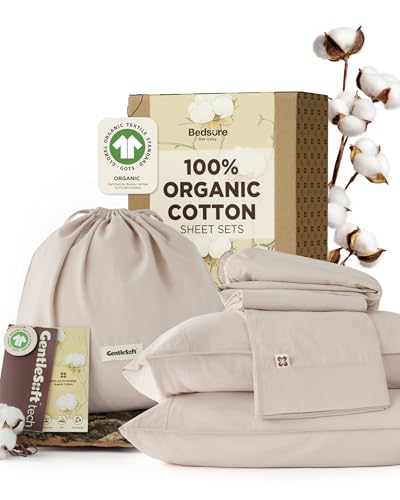
100% GOTS Certified Organic Cotton Sheet for Sensitive Skin:From organic fields to your bed—this queen size organic cotton sheet set is made with 100% certified organic Turkish cotton, naturally pure and free from GMOs, formaldehyde, and harmful chemicals. Certified by GOTS (Scope Certificate No. GOTS-BVUS0552) and OEKO-TEX Standard 100 (18.HPK.48415), it is breathable and gentle on sensitive skin. So safe and gentle, feel good letting your kids and family sleep soundly all night too
Is Organic Worth It? Cost vs. Long-Term Value
You might notice organic mattresses cost more upfront. They often last 20 years or longer, which means you’re replacing them far less frequently than conventional mattresses.
That extended lifespan translates into real savings over time, plus you’ll avoid the ongoing costs tied to potential health issues from toxin exposure.
When you look at the total picture, fewer replacements, less waste, and potential wellness benefits make that higher initial price financially justified.
Soft - Great for Adding Softness to the Surface of a Mattress

365-NIGHT HOME TRIAL & LIFETIME WARRANTY - Our industry-leading trial period and warranty starts the day your Awara mattress is delivered. Sleep on it for an entire year and in all four seasons. Your mattress is guaranteed for as long as you own it.
Firm - Provides Strong Pinpointed Support
Initial Investment vs. Longevity
Does paying more upfront for an organic mattress actually save you money in the long run?
What makes the investment worthwhile:
- Longer lifespan: Organic mattresses last 20 years versus 8–15 years for conventional options
- Extended warranties: Industry-leading 20-year coverage protects your purchase
- Durable natural materials: GOTS/GOLS certified latex, cotton, and wool resist breakdown
- Reduced replacement costs: You’ll buy fewer mattresses over your lifetime
- Health savings: Lower toxin exposure means fewer potential medical expenses
The upfront cost is higher. With proper care, certified organic materials maintain their support and comfort far longer than conventional alternatives.
Over a 20-year period, the certified organic mattress costs less per year than replacing a conventional mattress every 8-15 years. You’re not just buying a bed; you’re investing in years of better sleep without frequent replacements.
Durability Returns Real Savings
The real payoff of an organic mattress isn’t just about sleeping better tonight. It’s about what you’ll save over the next two decades.
You’re joining a community that values smart, long-term investments in health and home.
Why Durability Matters to Your Wallet
Organic latex, cotton, and wool certified by GOTS and GOLS resist sagging and maintain shape for 20–25 years, which is double the lifespan of conventional mattresses lasting 8–15 years.
The Numbers Work in Your Favor
- Fewer replacements mean fewer disruptions to your routine
- Premium materials deliver sustained sleep quality
- Reduced chemical off-gassing supports ongoing wellness
- Lower allergy-related disruptions save health costs
Yes, you’ll pay more upfront. Over time, you’re actually spending less per year.
Your investment pays for itself through extended durability and avoided replacement costs.