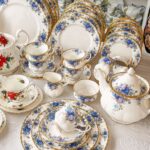

Antique kitchen tools range from wood dough bowls and butter molds that need nothing but a rinse to cast-iron waffle irons and meat grinders that clamp to your counter and take some muscle to work.
The tool that fits your kitchen depends on how much counter or shelf space you can give up and whether you want something that still does the job or just adds texture to a wall.
A hand-crank mixer beats cream in under a minute when you want soft peaks, while a butter churn takes steady pumping until the fat separates from the liquid and the buttermilk drains clear.
1. Hand-crank Mixer
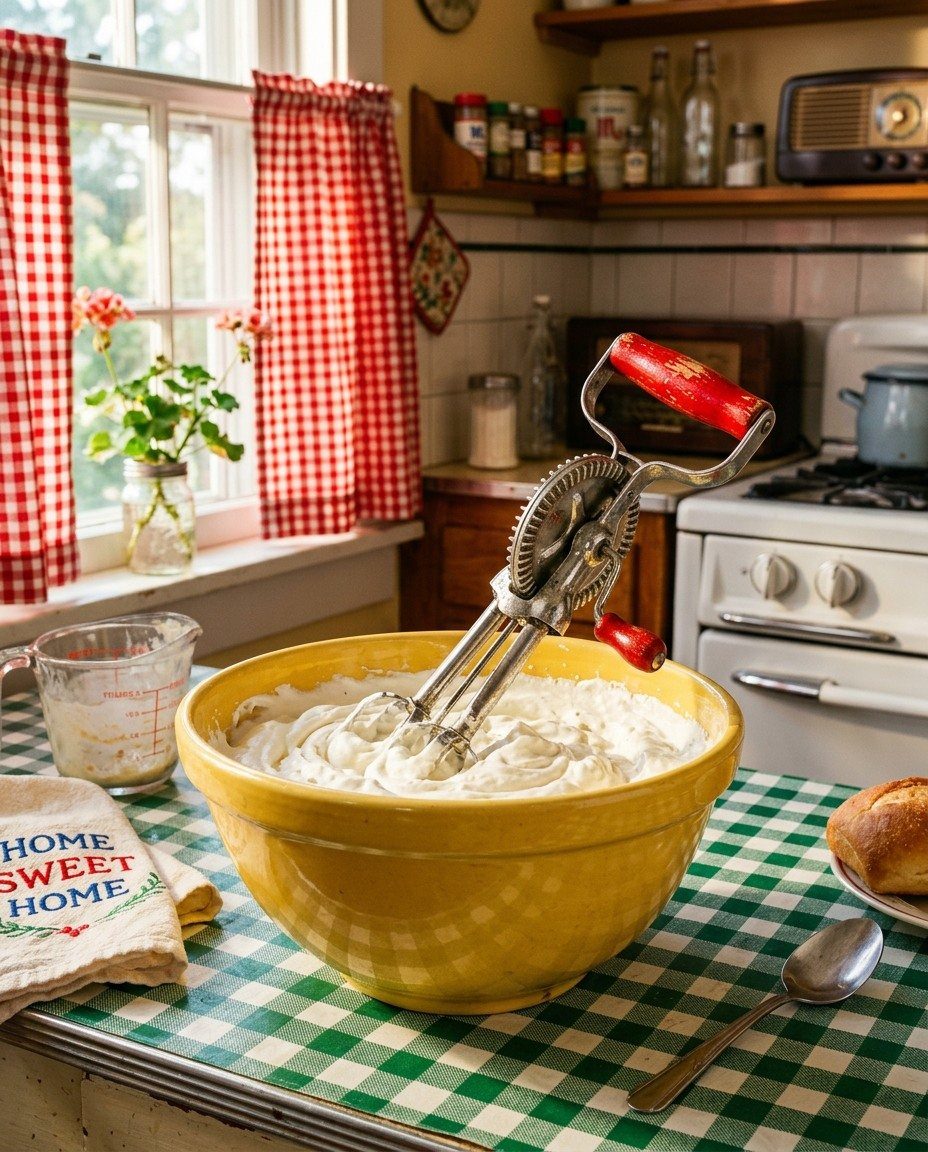
A hand-crank mixer beats cream, eggs, or batter by turning a handle that spins metal beaters inside a bowl.
The motion takes more effort than a stand mixer, but you control the speed exactly and there’s no cord to get in the way.
I like these for whipped cream when I want soft peaks without overdoing it. The crank gives you enough feedback to stop right when the texture is where you want it, and cleanup is just the beaters and the handle.
They work best in a bowl with a wide base so the beaters reach all the way to the edges.
2. Coffee Grinder
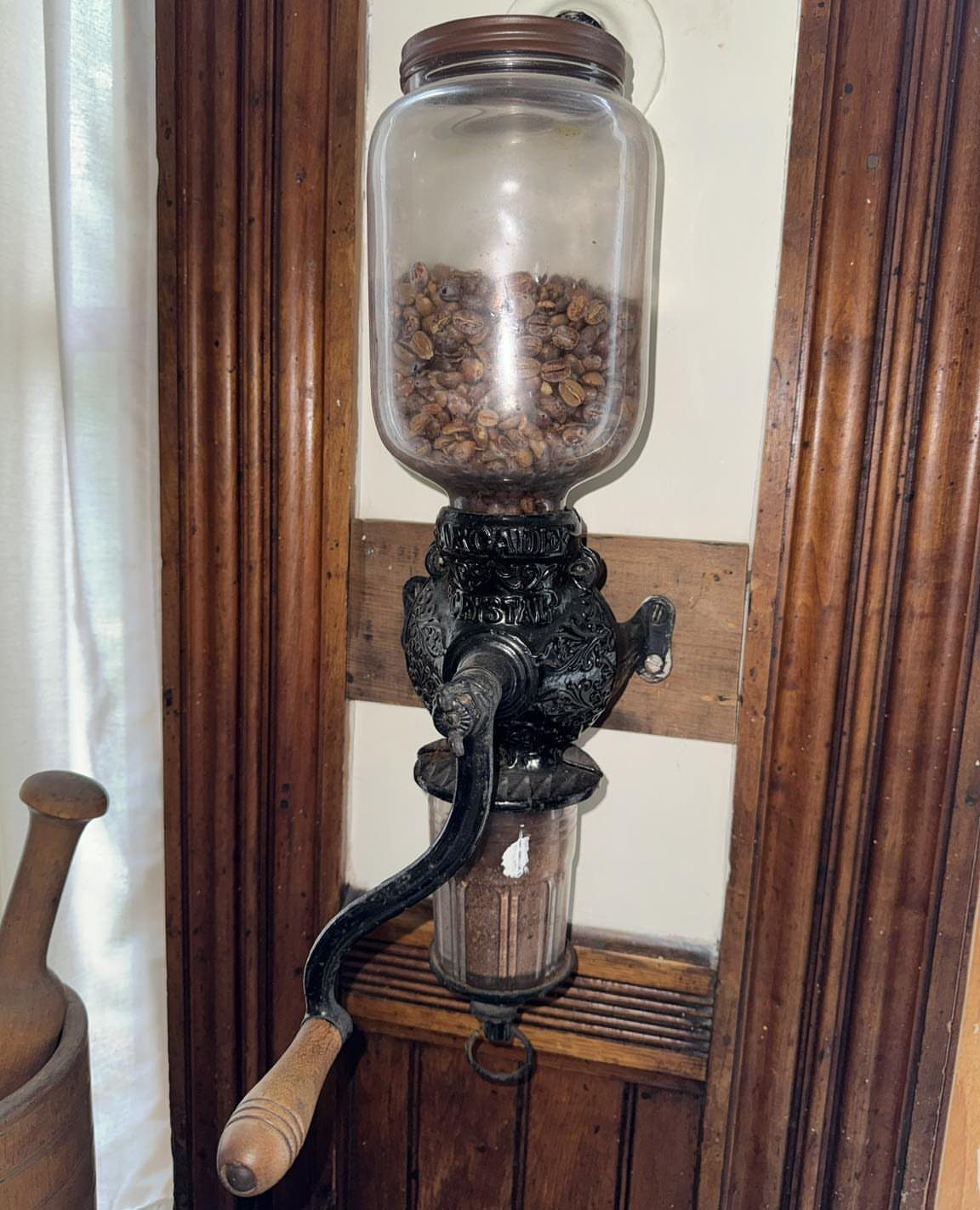
A wall-mounted coffee grinder fixes to the wall and grinds whole beans when you turn the crank. Beans drop from a glass hopper at the top, pass through adjustable burrs, and fall into a drawer or directly into your pot.
The wall mount keeps the grinder steady while you work the handle, and the glass hopper lets you see when you need to refill.
Grind size changes by tightening or loosening a screw near the burrs, so you can go coarse for percolators or fine for stovetop espresso.
I keep mine set for drip coffee and grind just before brewing. The drawer catches about 2 tablespoons per batch.
3. Coffee Maker
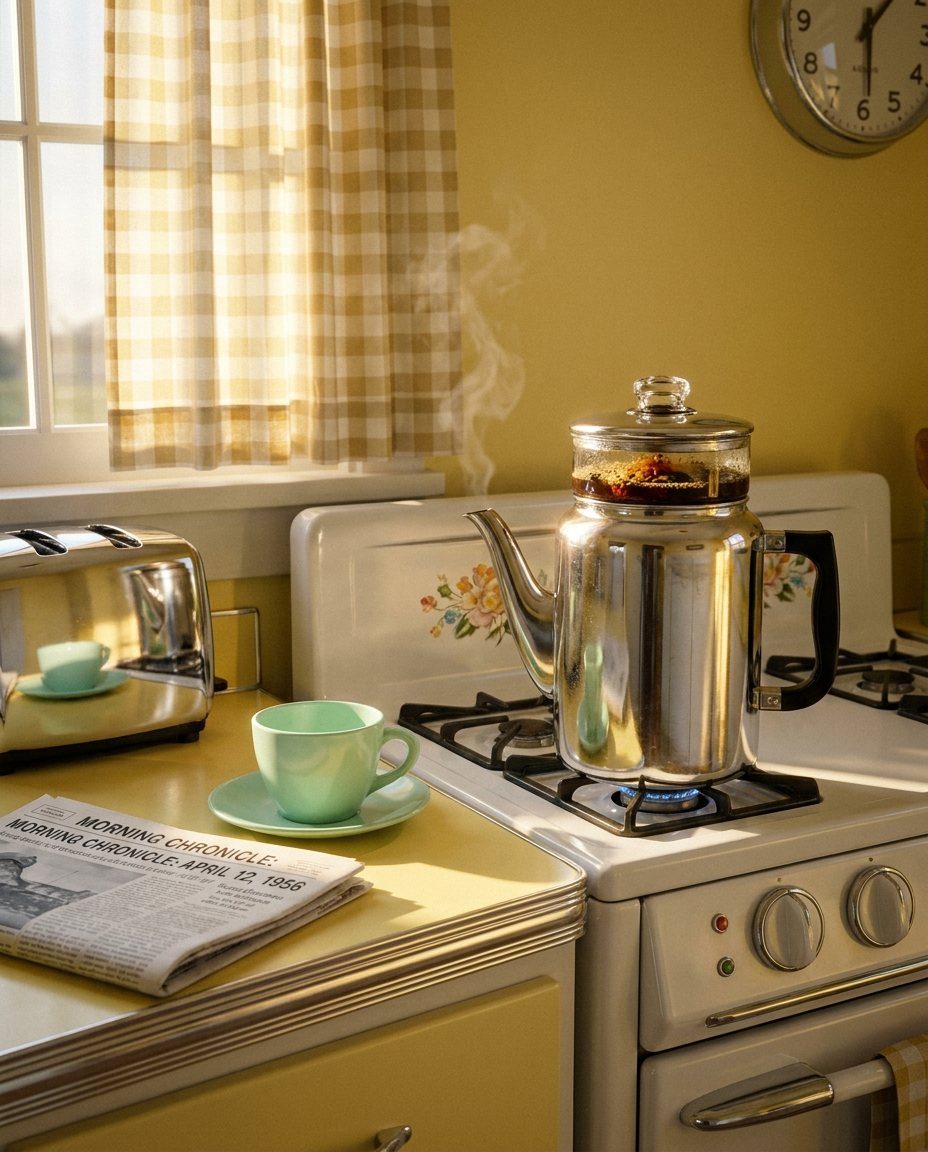
A stovetop percolator brews coffee by cycling boiling water up through a tube and over the grounds until the pot is full of brewed coffee.
You set it on the burner, bring it to a boil, then lower the heat and let it perk until the coffee stops bubbling up through the glass dome.
The longer it percolates, the stronger the coffee gets, so I stop it when the liquid in the glass knob on top turns dark brown.
Percolators make hot, bold coffee without any paper filters, and the stainless steel body holds heat well enough that a full pot stays warm through breakfast.
Stovetop models work on gas, electric, and most induction burners if the base is magnetic.
4. Jell-O Mold

A Jell-O mold shapes gelatin into rings, bundt shapes, or figures that hold their form when you turn the mold out onto a plate.
You pour the liquid gelatin into the mold, chill it until firm, then dip the outside in warm water for a few seconds to loosen the edges before flipping it.
Molds come in metal or plastic. Metal releases more cleanly if you oil it lightly before pouring, and plastic needs a longer dip in warm water.
I use these for layered gelatin salads or desserts with fruit suspended inside, and the shape makes the dish look finished without any extra plating.
Cone and ring molds are the easiest to unmold without tearing.
You can certainly still find metal molds in many households, but Jell-O was a culinary star of the 1950s.
5. Butter Mold
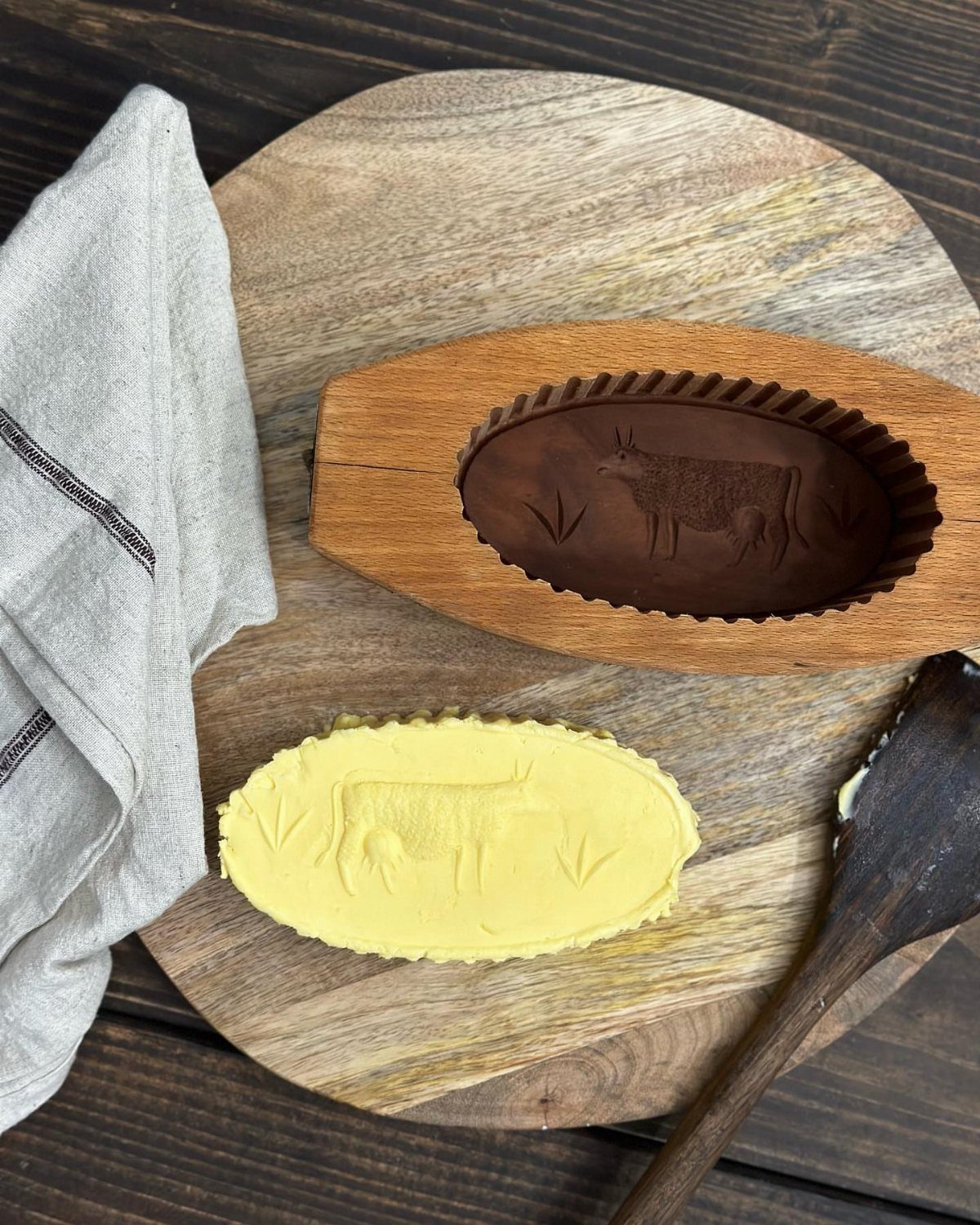
A butter mold presses fresh butter into a shape with a carved design on top. You pack softened butter into the mold, press it down firmly, then release it onto a dish where the design shows as a raised pattern.
Wood molds carve cleanly and release better when you chill them first.
I soak mine in cold water, shake it dry, then pack the butter in one tablespoon at a time so there are no air pockets. The cow shape is common, but you’ll also find flowers, wheat, and pineapples.
Molded butter holds its shape at room temperature for about an hour, so I keep it chilled until just before serving.
6. Egg Coddler
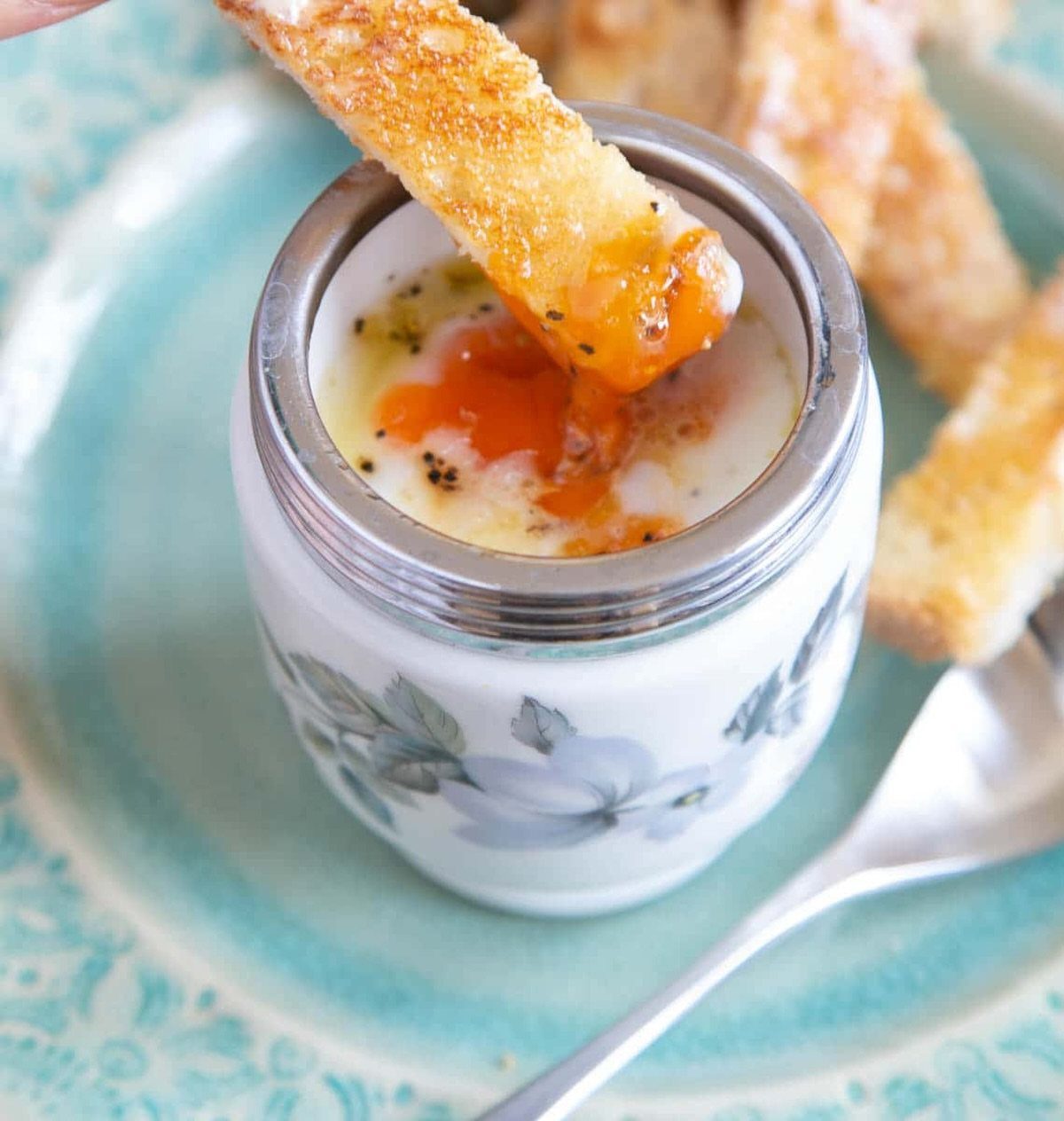
An egg coddler is a small porcelain cup with a screw-on lid that cooks eggs gently in simmering water.
You crack an egg into the coddler, add butter or cream if you want, screw the lid on, then lower it into a pot of water just below boiling until the white sets and the yolk stays soft.
The result is softer than a hard-boiled egg and firmer than poached, with a creamy yolk that stays intact when you dip toast into it.
I unscrew the lid as soon as I lift it from the water to stop the cooking, then eat the egg right from the coddler with a small spoon.
Single coddlers hold 1 egg; double coddlers hold 2.
7. Pantry Tin

A pantry tin stores flour, sugar, coffee, or tea in a labeled metal container that keeps moisture and pests out.
The lid seals tightly enough to keep contents dry for weeks, and the label tells you what’s inside without opening it.
Metal tins stack better than bags and take up less shelf space.
I keep flour and sugar in matching tins on the counter where I can reach them while baking, and smaller tins for tea and coffee fit inside a cupboard or on open shelves.
Tins hold enough for several pounds of flour, sugar, or tea.
8. Handheld Waffle Iron

A handheld waffle iron cooks waffles over a stovetop burner or open flame by clamping batter between 2 cast-iron plates. You pour batter into one side, close it, flip it halfway through, and open it when steam stops rising.
Cast iron holds heat long enough to cook the batter evenly, and the long handles keep your hands away from the flame.
I heat both sides of the iron before adding batter so the waffle releases cleanly, and I wipe the plates with oil between batches.
Cooking time runs about 2 minutes per waffle, flipping once.
9. Dough Bowl

A dough bowl is a wide wooden bowl with sloped sides that gives you room to knead bread dough without it climbing over the edges.
The wood absorbs a small amount of moisture from the dough, and the bowl stays in place on the counter without sliding.
I use mine for mixing and kneading yeast dough, and the wide base lets me fold the dough over itself without scraping my knuckles on the rim.
Wood also holds a slight warmth that helps dough rise if you cover it with a towel.
Bowls vary in size, with larger ones meant for kneading bread and smaller ones suited to mixing biscuits or rolling pastry.
10. Recipe Card Box

A recipe card box holds handwritten recipes on index cards, sorted behind alphabetical dividers so you can flip to the one you need.
The cards stay flat, and the box keeps them together in one place instead of loose in a drawer.
A recipe card box keeps family recipes organized, with room for handwritten notes about substitutions or timing on each card.
The dividers let me sort by course or by ingredient, and the box sits on the counter where I can pull a card while I’m cooking.
Standard boxes fit 3×5 or 4×6 cards.
11. Glass Punch Bowl

A glass punch bowl holds enough punch for a gathering, with matching cups that hook onto the rim so guests can serve themselves.
The bowl sits on a tray or table, and the glass shows the color of the punch and any fruit or ice floating inside.
I chill the bowl and the punch before filling it so the drink stays cold longer, and I add sliced citrus or berries for color.
A full bowl serves a crowd, with cups sized for a few sips at a time.
Crystal bowls catch light and make the table look finished without much else.
12. Vintage Toaster
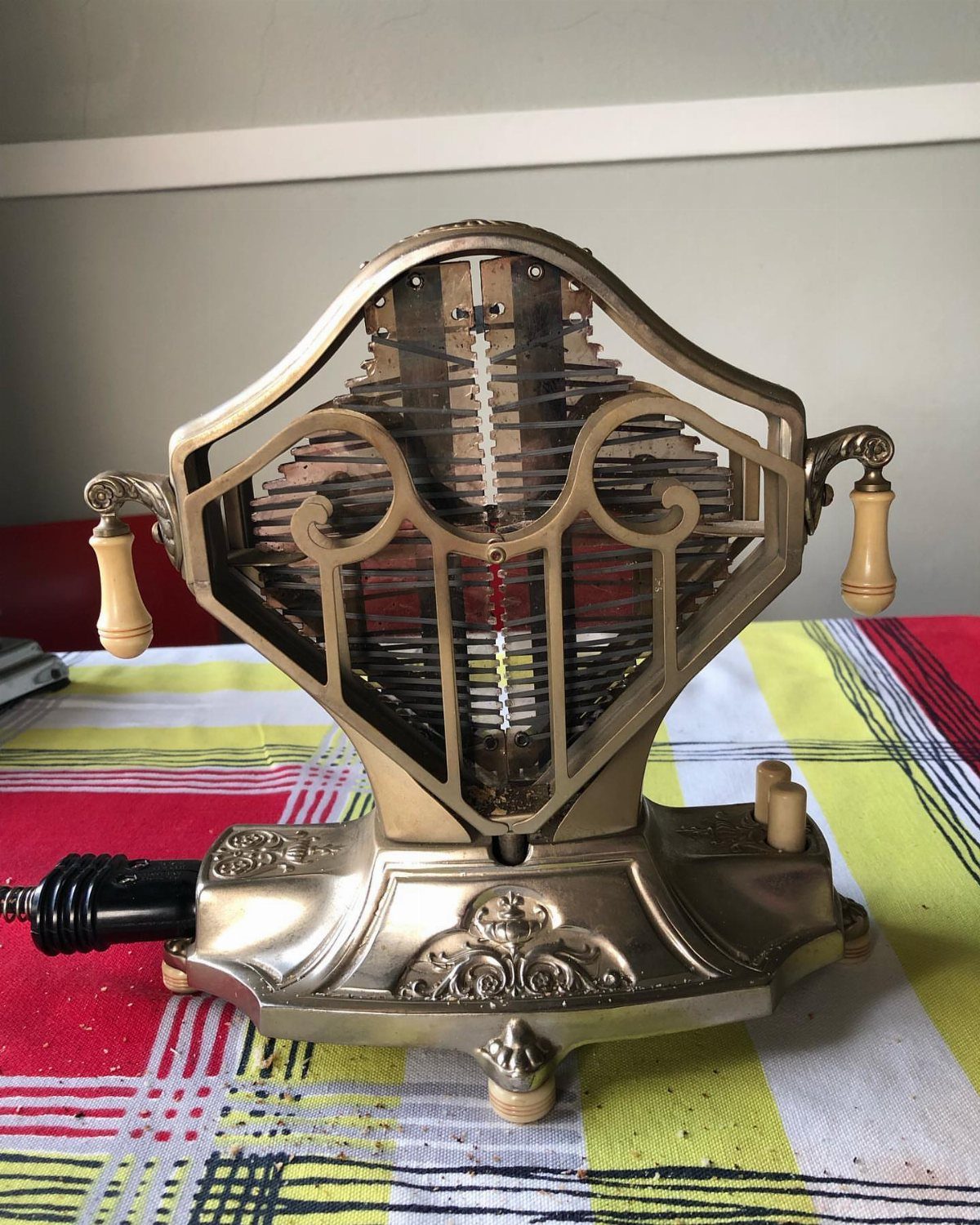
A vintage toaster browns bread by heating exposed wire coils on both sides of the slice.
You drop the bread into slots or set it on a rack, wait until it reaches the color you want, then lift it out or flip it manually.
Early toasters have no timer, so you watch the bread while it toasts and pull it when it’s done.
Some models flip the bread with a lever; others require you to turn it by hand. A vintage toaster sits well on the counter and toasts a slice or two at a time.
Manual toasters work on any outlet without special wiring.
13. Egg Grader
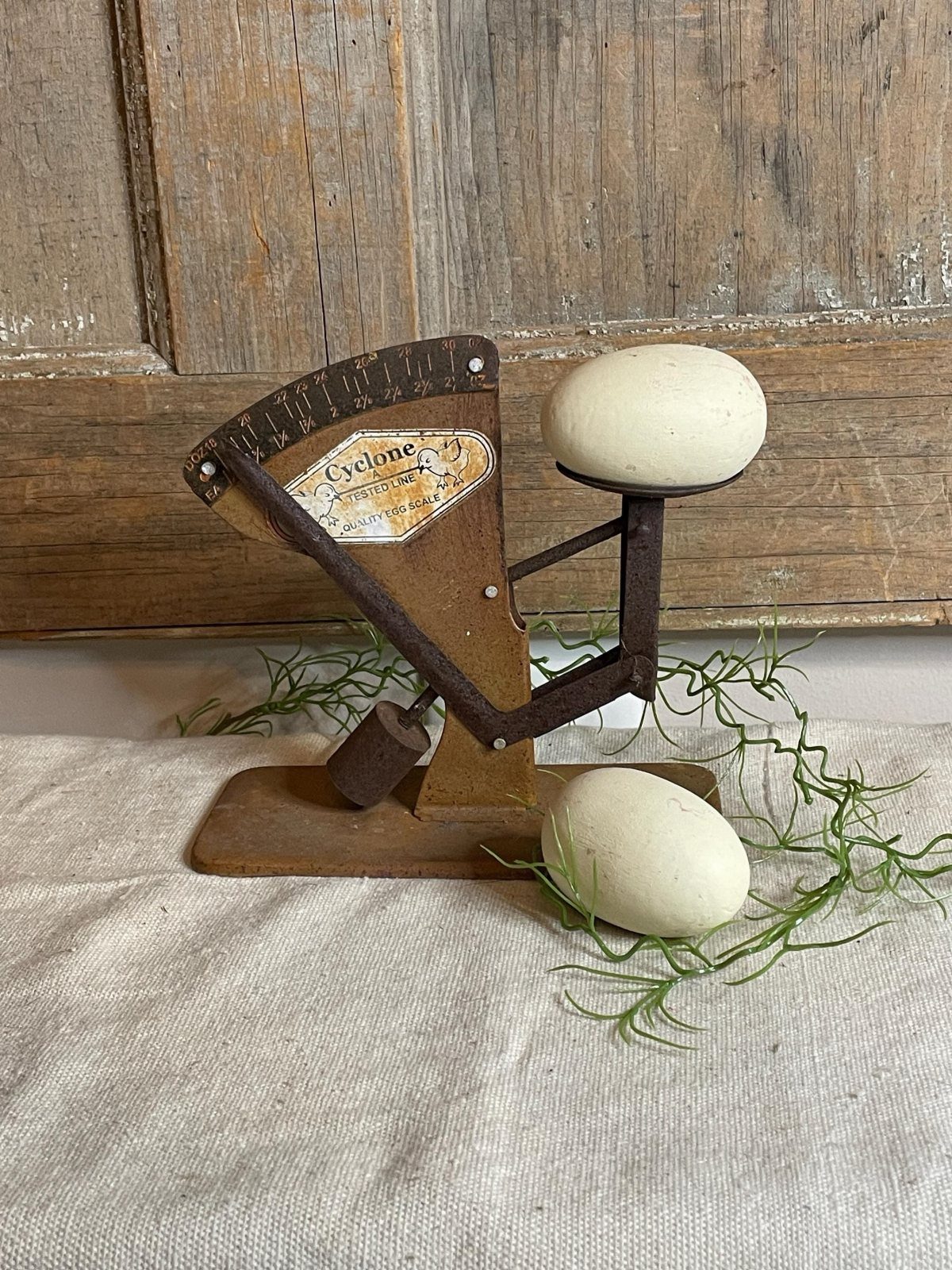
An egg grader weighs each egg and sorts it into a size category based on the scale reading. You set the egg in the holder, and the weight moves a pointer to small, medium, large, or extra large.
Metal graders with a spring mechanism give a reading in seconds, and the categories match USDA sizing standards so you know what you’re working with for recipes that specify egg size by weight.
I check eggs before baking when the recipe calls for large eggs and my carton is unmarked.
The scale resets when you lift the egg off.
14. Manual Kitchen Scale
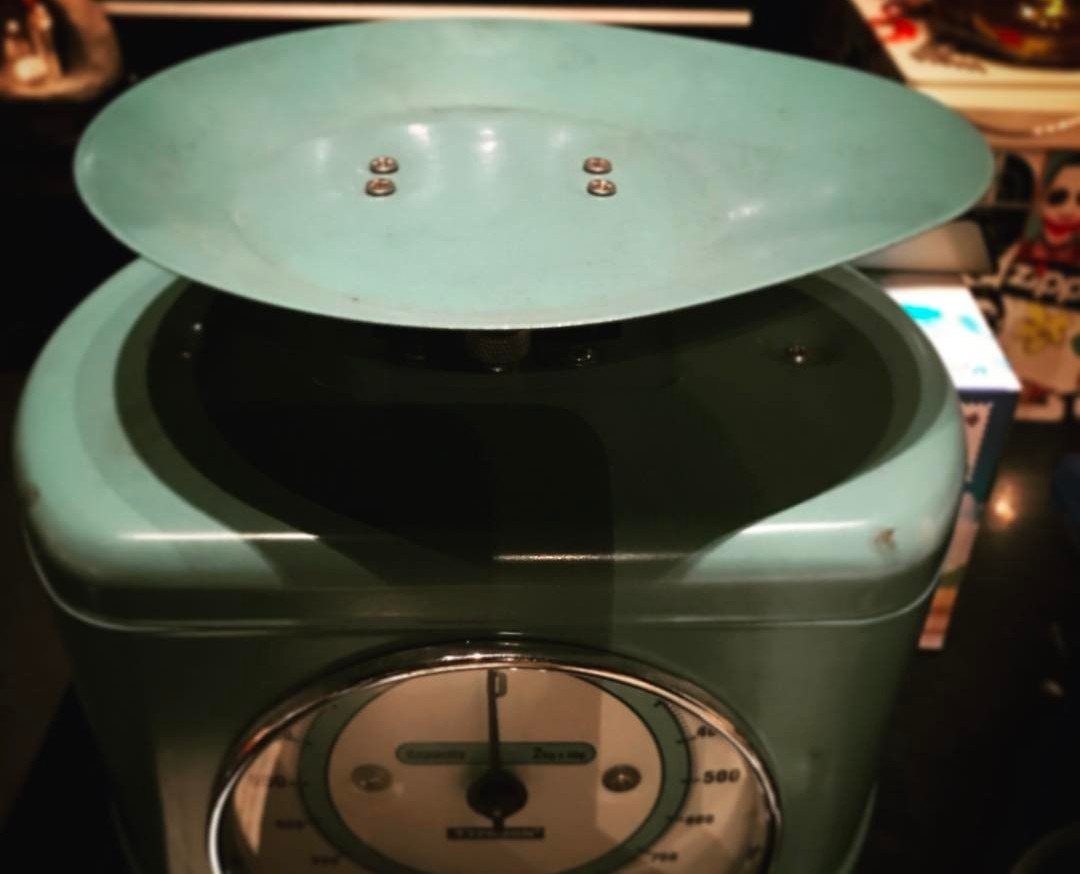
A manual kitchen scale weighs ingredients by moving a pointer around a dial as you add food to the pan on top.
The pan sits on a spring mechanism that presses down when weight is added, and you read the measurement where the pointer stops.
Spring scales measure in ounces or grams depending on the dial, and older models hold a surprising amount before they stop registering weight.
I use mine for portioning flour or sugar when a recipe calls for weight instead of cups, and the pan lifts off for cleaning.
Zero the scale before adding ingredients by turning the dial to align the pointer with the start mark.
15. Antique Kitchen Tool Displays

Antique kitchen tool displays group old utensils, graters, rolling pins, or small cookware on a wall or open shelf where you can see the collection without digging through a drawer.
The tools hang from hooks, sit in baskets, or lean against a backing board covered in fabric or wood.
Grouping by material or function keeps the display cohesive: all wood, all metal, or all tools used for one task. I mount heavier items like cast iron directly to wall studs and use smaller hooks for hand tools.
The display works in a kitchen where the tools stay within reach or in a dining room where they add texture to a blank wall.
Fabric backing softens the look and hides mounting hardware.
16. Antique Meat Grinder
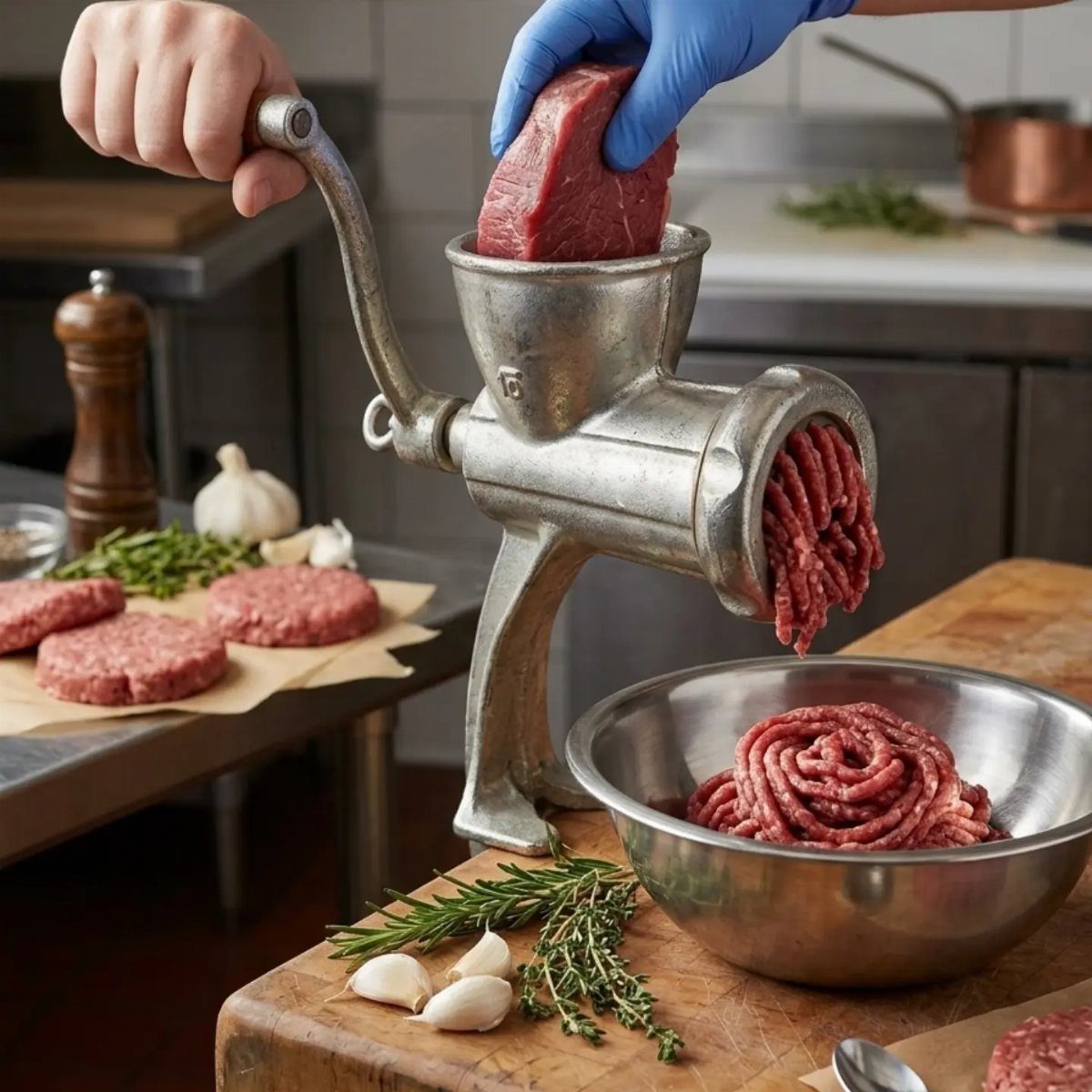
An antique meat grinder clamps to a countertop or table edge and grinds raw meat by feeding it into a hopper, turning a crank, and pushing it through a perforated plate.
The plate determines how fine the grind comes out, and the crank forces the meat through in steady passes.
Cast iron grinders hold up to regular use and grind beef, pork, or venison without stalling.
I trim large pieces of fat before feeding meat into the hopper so the grinder doesn’t clog, and I chill the metal parts in the freezer before grinding to keep the meat cold and prevent smearing.
Grinding goes quickly when the meat is cold and trimmed.
17. Vintage Butter Churn

A vintage butter churn makes butter by agitating cream inside a ceramic crock until the fat separates from the liquid.
You pour heavy cream into the crock, fit the wooden dasher through the lid, and pump or twist the handle until lumps of butter form and the liquid turns thin.
Churning time depends on the cream temperature and how fast you work the dasher.
I start with cream at room temperature so it thickens without taking longer than my arms can manage, and I drain off the buttermilk as soon as the butter clumps together.
The butter needs rinsing in cold water and kneading to press out any remaining liquid before it’s ready to store.
18. Antique Stand Mixers

An antique stand mixer beats batter, dough, or frosting by spinning a paddle or whisk inside a metal bowl while the motor runs.
You lock the bowl into the base, attach the beater, and turn the mixer on to let it work without holding it.
Older electric mixers have fewer speed settings than current models, but the motor is strong enough for bread dough and the metal bowl conducts cold better than glass when you’re whipping cream.
I check the beater attachment halfway through mixing to scrape down the sides, and I unplug the mixer before switching attachments.
Metal bowls fit most vintage mixers and nest for storage.
19. Vintage Potato Mashers

A vintage potato masher breaks down boiled potatoes by pressing them through a wire grid or perforated plate attached to a wooden handle.
You push straight down into the pot or bowl, lift the masher, and repeat until the potatoes reach the texture you want.
Wooden handles with turned details or painted colors make older mashers easy to spot at thrift stores.
The wire grid style mashes faster than a solid plate and leaves fewer lumps, while the plate style works better for firmer vegetables like turnips or carrots.
The handle can hang on a hook where the color shows between uses.
20. Antique Coffee Syphon

An antique coffee syphon brews coffee by heating water in a lower chamber until vapor pressure forces it up through a tube into the upper chamber where it steeps with the grounds, then pulling it back down through a filter as it cools.
You watch the water rise, wait while it brews, then remove the heat and let gravity finish the job.
Brass frames and glass chambers give the syphon a mechanical look that sits well on a counter or sideboard. The brewing takes longer than a drip pot, but the result is clean and smooth with no sediment in the cup.
Alcohol burners or gas flames heat the lower chamber; electric versions appeared later but are less common.
Vintage Kitchenware Collecting
Collecting vintage kitchenware starts with choosing what draws you in: by function, by color, or by the maker whose stamp appears on the bottom.
Some collectors focus on a single type and spend years assembling a full set, while others pick up individual pieces that work in rotation.
Antique stores stock pieces with known provenance and intact details, but the prices reflect that.
Thrift stores and estate sales turn up bargains more often, though condition varies and markings may be worn. Online listings let you search by name or filter by era, and Etsy sellers often include close-up photos of stamps and damage.
Pieces from the 1800s through the 1970s show up regularly, with cast iron, glass, and ceramic holding value when the surface is undamaged. Check for cracks in porcelain, rust through on metal, and whether moving parts still move.
Frequently Asked Questions
How do I identify vintage kitchen utensils?
Check for maker’s marks or stamps on the bottom, which often include a manufacturer name or symbol.
Cast iron, glass, and ceramic pieces hold the most value when the surface shows no cracks, rust-through, or damage, and moving parts like cranks or springs should still operate smoothly.
Pieces from the 1800s through the 1970s appear most often in antique stores, thrift shops, and estate sales.
What old kitchen items are worth money?
Cast iron grinders, hand-crank mixers, and glass punch bowls in good condition bring higher prices, especially when markings remain clear and all parts still work.
Antique stores price items with known history and intact details accordingly, while thrift stores and estate sales offer better deals if you’re willing to hunt.
Condition matters more than age: undamaged porcelain, rust-free metal, and functional moving parts determine whether a piece holds its value.
Why buy vintage kitchen utensils?
Older tools were built to last, with cast iron, wood, and glass that hold up to regular use better than many current materials.
Vintage pieces work as intended while adding texture and history to your kitchen, whether you display them on open shelves or use them in rotation.
Pieces from thrift stores and estate sales cost less than new cookware and often outlast it.