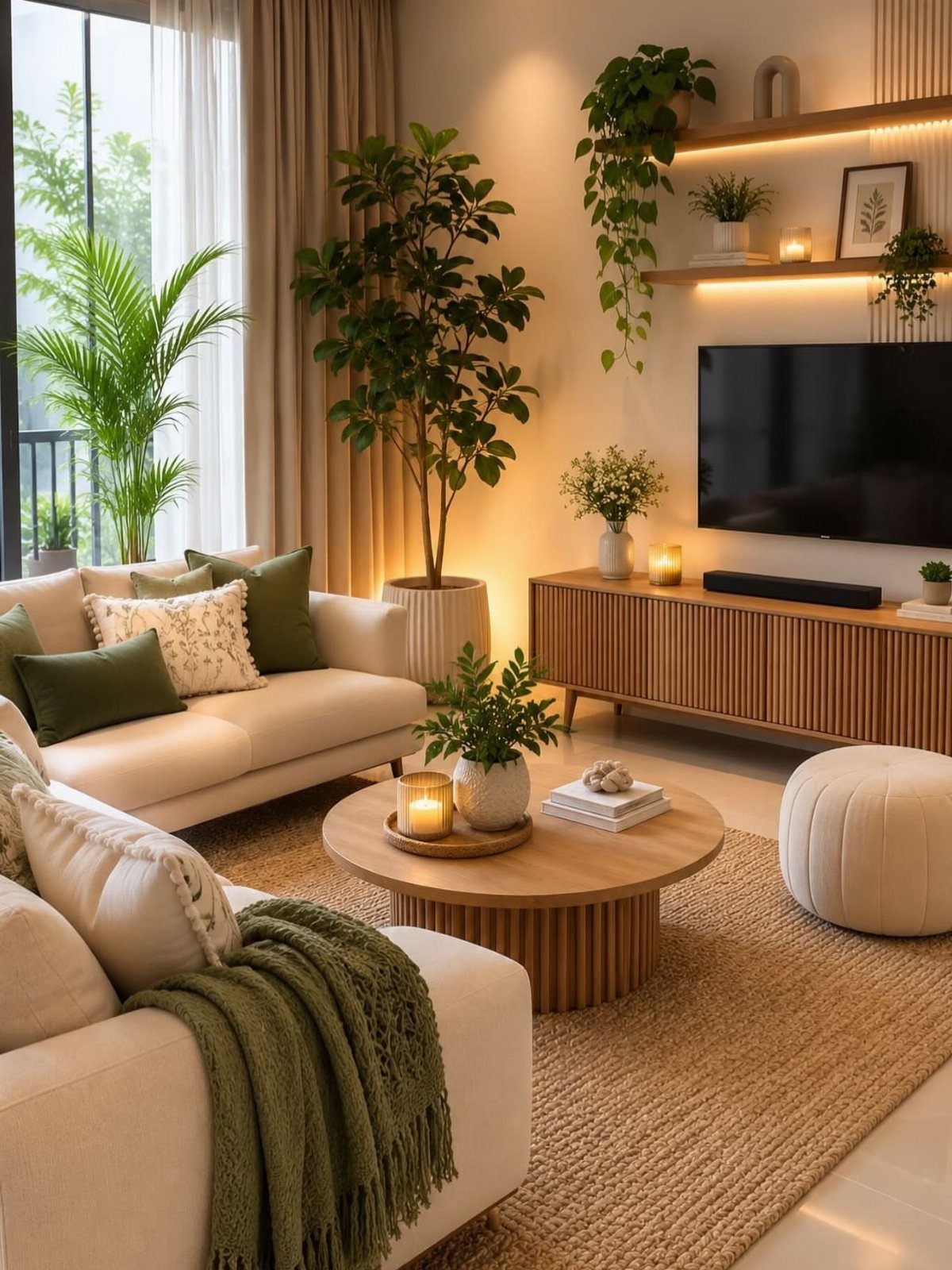
A tall headboard or a simple gallery wall costs nothing to move between apartments, while a statement mirror or acrylic coffee table stays useful across layouts.
The size of the room decides how much you commit to one zone: in a studio, a bookshelf divider or a single large rug carves out separate areas without blocking light.
1. Mirrors Opposite a Window
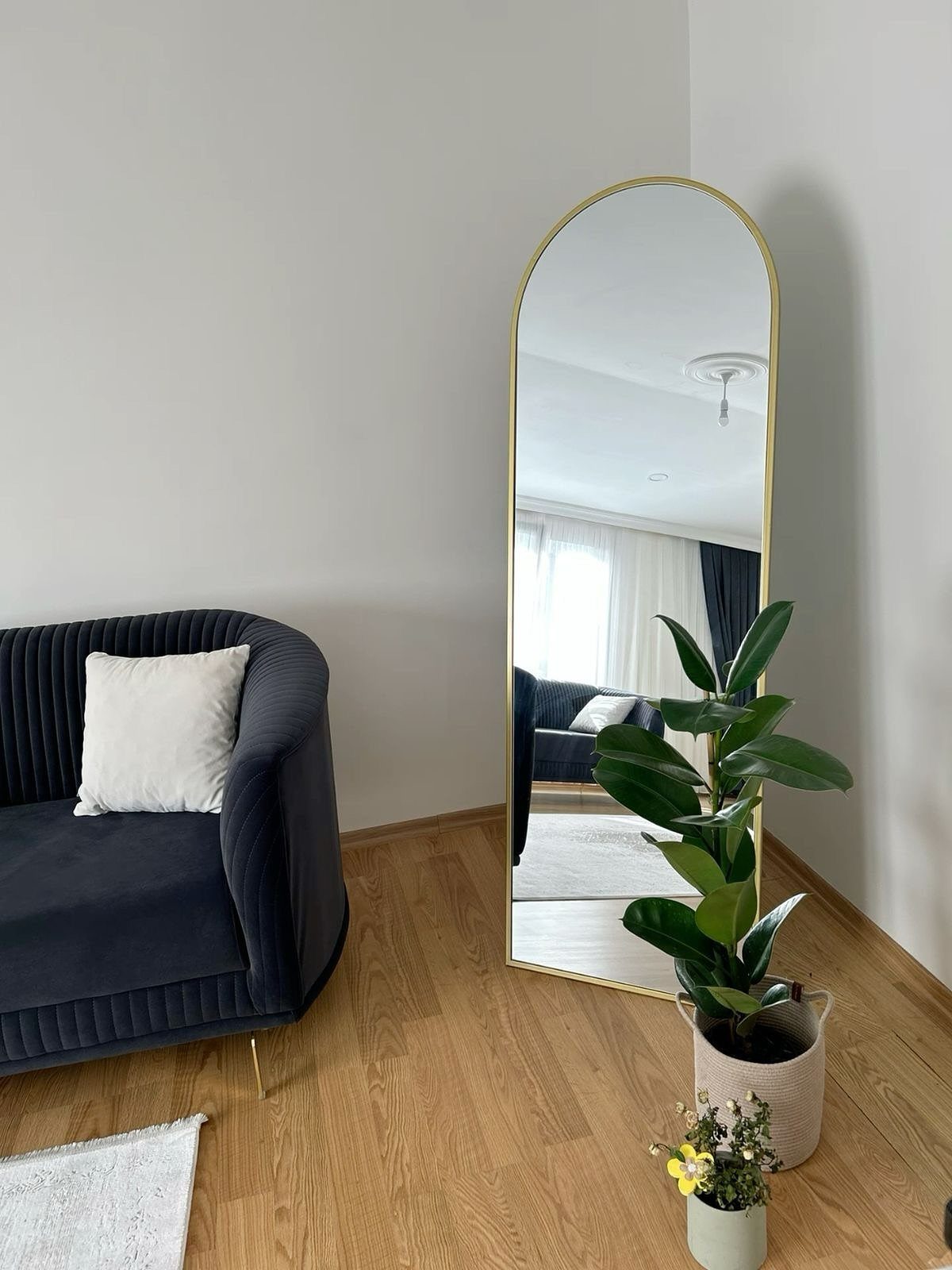
A mirror placed opposite a window reflects daylight back into the room and makes it look larger than it is. The effect works best when the mirror is big enough to capture most of the window in its reflection.
Floor mirrors and large wall-mounted styles both do the job.
Put the mirror on the wall facing the window, or angle a freestanding mirror so it catches the light. The brighter the window, the more noticeable the difference.
2. Rug-defined Living Area

A rug marks off a seating area, a dining spot, or a workspace without building anything permanent. In an open studio or combined living space, it gives each zone its own boundary and keeps the layout clear.
Size the rug so the front legs of your furniture sit on it.
That anchors the pieces together and keeps the grouping readable as one area. In a small apartment, a single well-placed rug often does more than multiple small ones scattered around.
In 2024, the average size of a newly built studio apartment was 457 square feet, according to RentCafe.
3. Bookshelf Room Divider

A bookshelf placed perpendicular to the wall splits a studio or open floor plan into separate zones.
It blocks sightlines between a bed and a living area, or between a workspace and a sleeping corner, without closing off light or airflow the way a solid wall would.
Choose a unit that is open on both sides so you can reach items from either room. Styles with a mix of open shelves and closed cabinets give you display space on one side and hidden storage on the other.
4. Storage Ottoman

A storage ottoman holds blankets, shoes, or anything else you need out of sight, and doubles as a seat or a footrest. In a small apartment, furniture that does 2 things takes up less floor space than separate pieces.
Look for one with a lift-off lid or a hinged top. Round styles fit into corners and tight layouts more easily than square ones, and fabric or upholstered tops are more comfortable to sit on than hard surfaces.
5. Wall-mounted Shelves

Wall-mounted shelves hold books, plants, and everyday items without taking up any floor space. In a small apartment, going vertical keeps things functional without crowding the layout.
Install them above a desk, a sofa, or along a narrow wall where a freestanding bookcase would not fit.
Shelves with integrated lighting add task light or ambient glow without needing a separate lamp. Space them far enough apart to fit your tallest items, and use brackets rated for the weight you plan to put on them.
6. Closed-front Storage
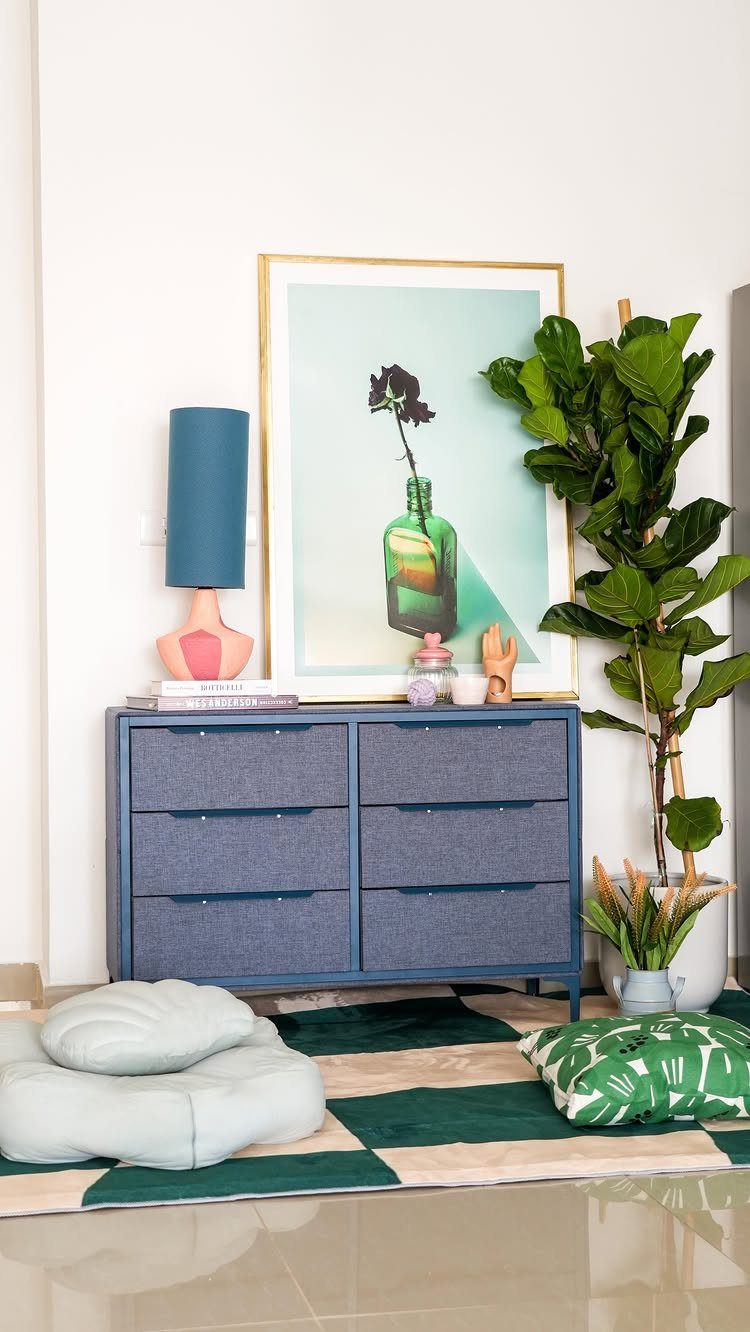
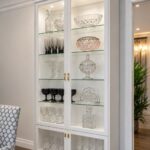
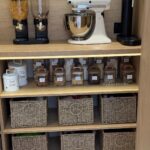
Closed-front storage hides the things you use every day but do not want on display. A dresser with drawers, a cabinet with doors, or bins with lids keep a room looking calm even when you own plenty of stuff.
In a small apartment, visible clutter makes it look smaller.
Closed storage gives you the same capacity as open shelves but keeps the visual noise down. Pick a piece that fits your style and has enough drawers or compartments for what you actually need to store.
7. Acrylic Furniture
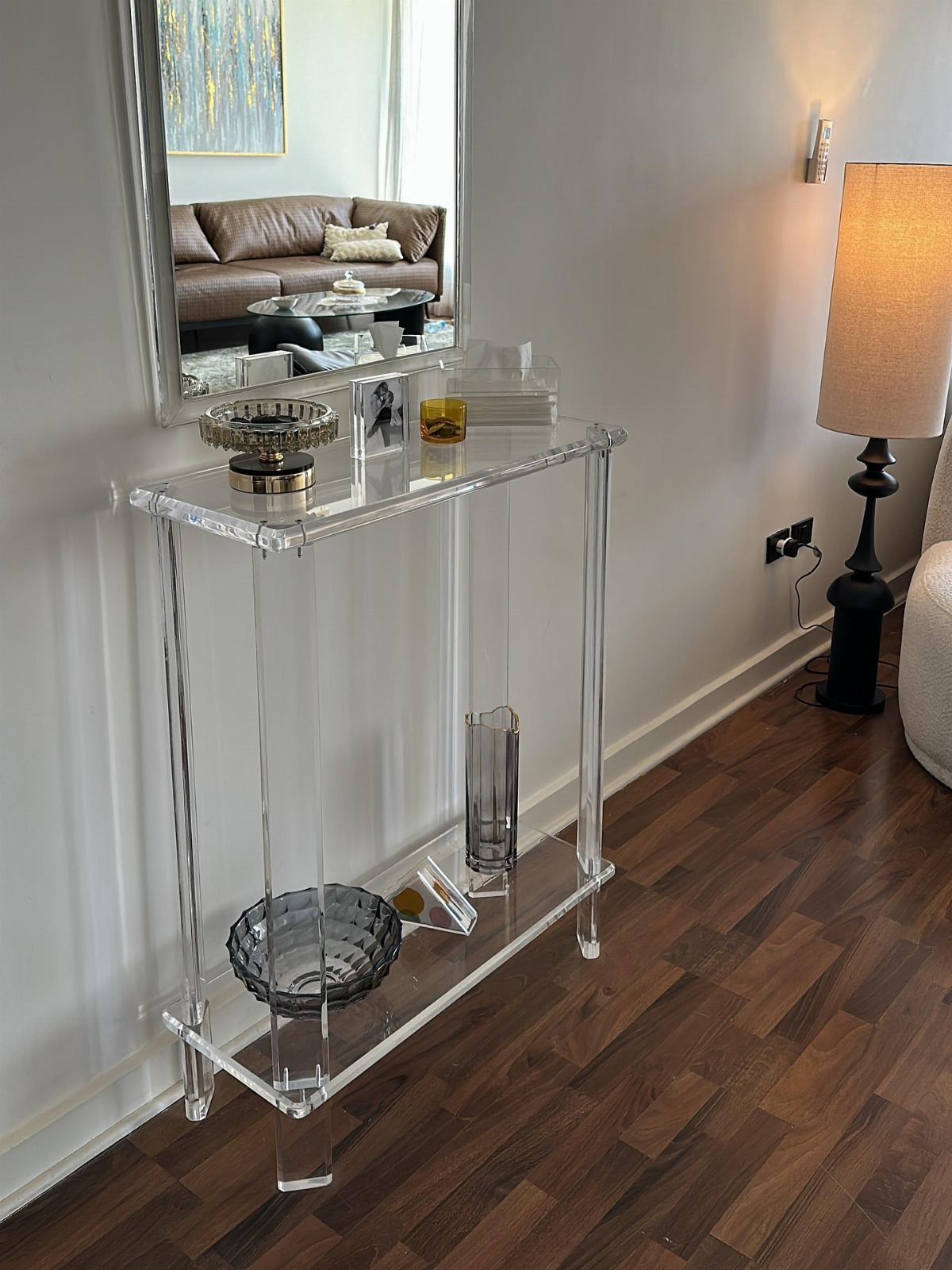
Clear acrylic pieces take up physical space but almost none visually. A console, coffee table, or chair made from acrylic keeps a space open because you can see straight through it to the floor and walls behind.
This pays off most in tight layouts where every piece of furniture competes for attention. Acrylic blends into most color schemes without adding another material to balance, and it pairs well with wood, metal, or upholstered pieces you already own.
8. Statement Headboard

A tall or textured headboard gives a bedroom a finished look when there is not much wall space for art or shelves. It anchors the bed and fills vertical space without taking up any floor area.
Upholstered, tufted, or ribbed styles add softness and texture.
Wood or metal versions bring in a different material. Choose one that reaches partway up the wall, not just to the top of the mattress, so it reads as a focal point from across the room.
9. Use Nesting Tables
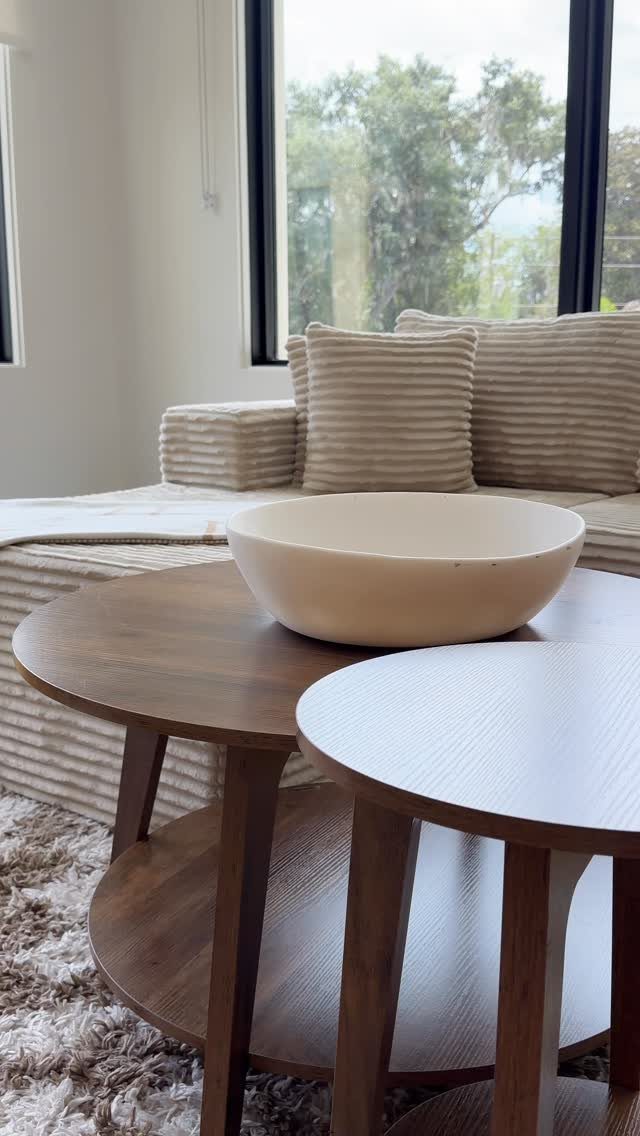
Nesting tables stack together when you only need one surface, then pull apart when you need more. That gives you the flexibility of multiple side tables without dedicating floor space to all of them at once.
They work well next to a sofa or as bedside tables in a small room.
Round or oval shapes are easier to move around people and furniture than square corners. When stacked, they look like a single piece, so the room stays uncluttered.
10. Make Room for Plants

Plants bring life and color into a room without permanent changes. Real or faux, they soften hard edges and fill empty corners or bare walls.
Put them on shelves, hang them from hooks, or drape a vine over a mirror or bookcase.
Faux plants skip the watering and low-light problem but still give you the green. If you are renting, use removable adhesive hooks for hanging planters instead of drilling into walls.
11. Neutral Color Palette

Sticking to neutrals across walls, furniture, and larger pieces makes an apartment feel more spacious and cohesive.
When everything sits in the same tonal range, the eye moves through the room without stopping at color contrasts, and the space reads as larger than it is.
Neutrals also make it easier to move between apartments without repainting or replacing major pieces. Add color through pillows, throws, or art so you can change the look without swapping out furniture.
12. Layered Textiles

Pillows, throws, and rugs in different textures and patterns add warmth and depth to a room without filling it with more furniture.
Layering a smaller patterned rug over a larger neutral one defines a seating area and brings in color where a single rug might feel flat.
Mix materials like linen, wool, and cotton to keep the room from looking too matched. In a rental where you cannot change the walls or floors, textiles are the fastest way to add personality and claim the space as yours.
13. Gallery Wall
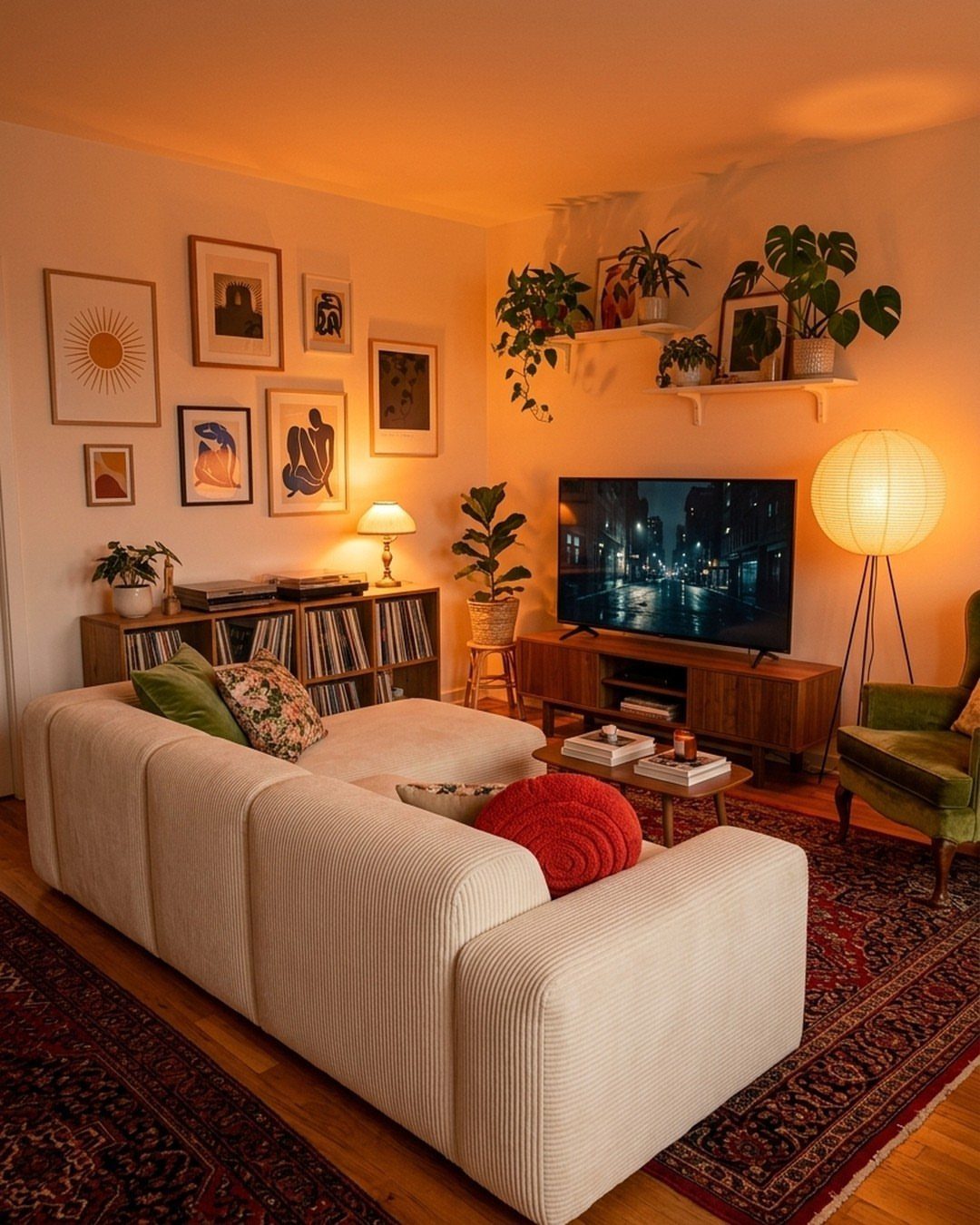
A gallery wall turns a blank stretch into a collected display of prints, photos, or artwork that feels personal to you. In an apartment where you cannot paint or make big changes, it claims the wall without damage.
Start with frames in a consistent color or finish so the collection holds together even when the images inside vary. Lay the arrangement out on the floor first, then hang pieces with removable picture-hanging strips if you are renting.
Keep the spacing between frames around 2–3 inches so the group reads as one unit rather than separate pieces floating on the wall.
14. Hang Curtains High

Mount curtains closer to the ceiling than to the window frame and the room looks taller. The room feels larger because the vertical line extends beyond the window itself.
Mount the rod near the ceiling, with enough clearance that the rings or clips can move freely.
Let the panels fall to the floor or just above it. The longer unbroken line of fabric adds height even in a room with standard ceilings.
15. Layered Lighting

One overhead light flattens a room. Layering in a table lamp, under-cabinet strips, or a pendant over a specific area lets you shape the brightness and mood in different zones.
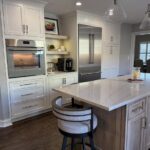
In a kitchen, under-cabinet lights make countertop tasks easier while pendants over a table or island add focused light where you eat or work.
In a living room, a floor lamp next to the sofa and a small lamp on a side table give you options to dim or brighten parts of the space instead of lighting everything the same way at once.
16. Kitchen Storage Trolley

A rolling trolley on casters moves between the kitchen, bathroom, or workspace depending on where you need extra storage or a surface. In a small apartment, portable furniture adapts to different tasks without locking up floor space in one spot.
Metal or wire styles are light and easy to roll.
Use the top tier as a prep surface or landing spot, and the lower shelves for produce, cleaning supplies, or office materials. When you are done, roll it into a closet or against a wall.
17. Chairs Tucked Under a Table

Chairs that slide completely under the table free up floor space when the table is not in use.
In a small apartment or studio, that extra clearance makes it easier to move through the room and keeps the layout from feeling jammed.
Look for a table with a flat apron or no apron at all so the chair backs fit underneath without catching.
Armless chairs tuck in further than styles with arms. Measure the chair height and the underside of the table before buying to confirm the fit.
Frequently Asked Questions
How can I maximize my apartment space?
Use furniture that does 2 jobs at once, like a storage ottoman or a sofa bed, and go vertical with wall-mounted shelves instead of taking up floor space.
Closed storage keeps clutter from making the room feel smaller, and a rug that defines one area makes the layout clearer than scattering small pieces everywhere.
What is the best design tip for decorating a studio apartment?
Use rugs and room dividers to mark off sleeping, living, and eating zones without building walls.
A bookshelf placed perpendicular to the wall blocks sightlines between areas while keeping light and airflow open, and furniture that tucks away or stacks gives you flexibility without locking up floor space.
How should you arrange furniture in a studio apartment?
The front legs of each piece rest on the rug, which pulls them into a single group and marks the boundary of the living zone.
Turn a bookshelf so it stands out from the wall, and the floor divides itself; a table that tucks its chairs underneath buys back the square footage between meals.
How can I decorate my apartment kitchen?
A rolling trolley on casters gives you extra storage and a prep surface that moves where you need it, then tucks away when you’re done.
Under-cabinet lighting makes countertop work easier without adding another piece of furniture, and layered lighting lets you brighten specific areas instead of relying on one overhead fixture.