
For a 72-inch window, aim for 144 to 216 inches of total curtain width. Multiply your window width by 2× for standard fullness (144 inches), 2.5× for deluxe (180 inches), or 3× for ultra-full (216 inches).
Your curtain style matters too. Pencil-pleated and grommet styles need about 2× fullness, while tab-tops work with 1.5×.
Two panels suit most homes, but four panels create dramatic draping.
Extend your rod 3–6 inches beyond the window and account for panel overlap based on your exact setup and preferences.
Start With Your Fullness Factor: The 72-Inch Curtain Width Multiplier
Understanding Your Width Multiplier
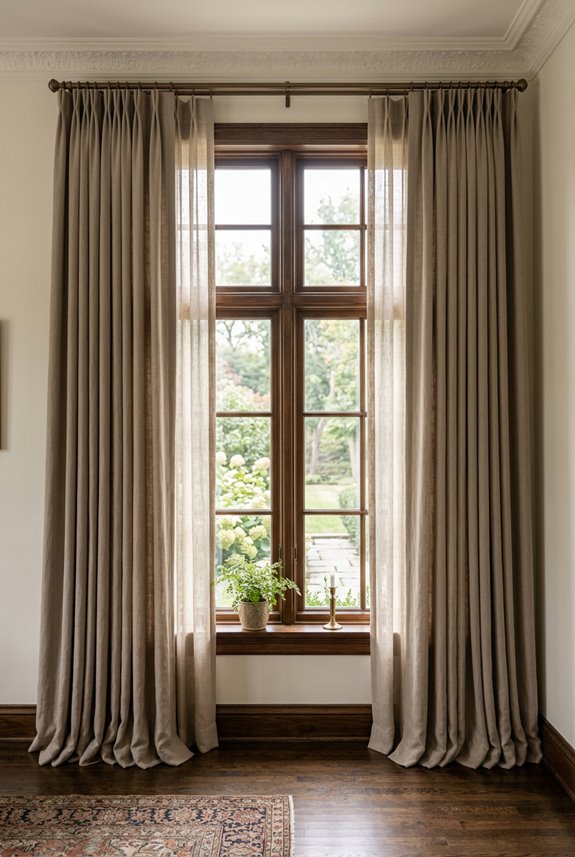
Curtain fullness determines whether your window treatments look skimpy or beautifully draped. For a 72-inch window, multiply that measurement by a fullness factor.
- 2× multiplier (standard fullness): 144 inches total curtain width
- 2.5× multiplier (deluxe fullness): 180 inches total curtain width
- 3× multiplier (blackout/ultra-full): 216 inches total curtain width
Finding Your Panel Width
Once you’ve chosen your total curtain width, divide by your number of panels. Round up to the next full inch.
Standard fullness creates a balanced, polished look. Deluxe fullness produces the luxurious, flowing appearance that makes windows a focal point. Calculate your panel width using the measurements above.

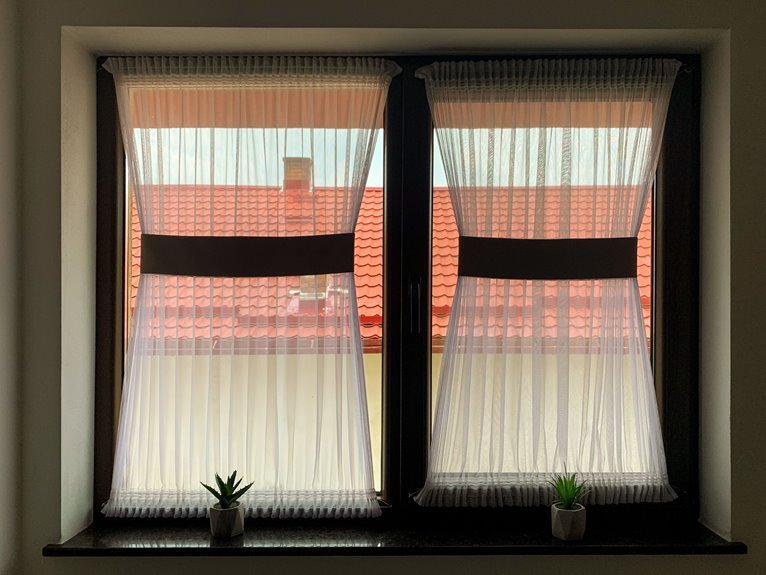
Basic Information: Each panel measures 42 inch wide by 72 inch long (1.5" header not include). Total of two (2) panels - 84" inch Wide x 72" inch long with top dual rod pockets design, makes the sheer curtains appears more beautiful and vivid. It can be used alone or as an added layering piece for added privacy or a more lush look.

Basic Information: Each panel measures 42 inch wide by 72 inch long (1.5" header not include). Total of two (2) panels - 84" inch Wide x 72" inch long with top dual rod pockets design, makes the white sheer curtains appears more beautiful and vivid. It can be used alone or as an added layering piece for added privacy or a more lush look.

Well Made: Sold as 2 panels sheer curtains per package, each panel measures 42" wide by 72" long, not only wider than ordinary 38" width, but also affordable cost than other extra wide sheer curtains, the size will allow these panels to decorate sufficiently over your windows.
How Pencil-Pleated, Grommet, and Tab-Top Styles Change Your Width Calculation
Now that you know your fullness factor, your curtain style actually changes how much fabric you really need.
Your curtain style directly impacts the total fabric needed—different designs require different fullness ratios for optimal coverage and drape.
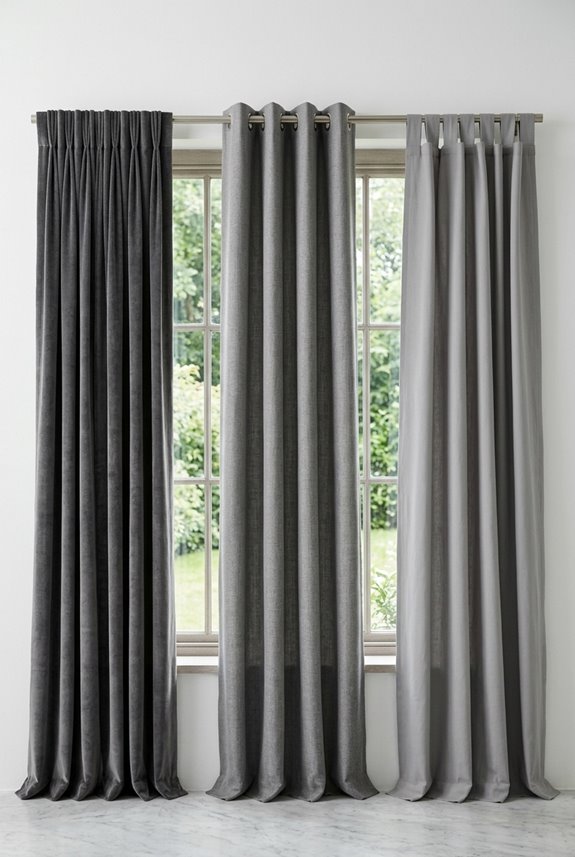
Pencil-Pleated Curtains require about 2× fullness. For your 72-inch window, you’d need 144 inches of total panel width.
Grommet Curtains (also called ripple fold) work similarly. They also need approximately 2× the window width for proper fullness and hang. That’s the same 144 inches for your 72-inch window.
Tab-Top Curtains are different. They’re typically recommended at just 1.5× the window width. This gives you about 108 inches of total panel width.
Each curtain style drapes differently. Selecting the right style ensures you achieve your desired appearance while maintaining adequate coverage for your 72-inch window.

Package Includes:2 blackout curtains with tiebacks, each panel measures 42" wide by 63" long. Each panel is constructed with 3 inches rod pocket on top, fitting the most standard rods in the market. Making the curtains easy to install and slide

PACKAGE INFORMATION: The package include 2 panels curtain come with 2 tiebacks. Each panel has both the 1 layer of tulle attached 1 layer of colorful star curtain. Grommets top(1.6 inch inner diameter), each curtain measures 52 inches wide, more length for you choose.

PACKAGE INFORMATION: The package include 2 panels curtain come with 2 tiebacks. Each panel has both the 1 layer of tulle attached 1 layer of colorful star curtain. Grommets top(1.6 inch inner diameter), each curtain measures 52 inches wide, more length for you choose.
Which Works Better: Two Panels or Four for Your 72-Inch Window?
So, should you hang two panels or four on your 72-inch window? Consider what works best for your needs.
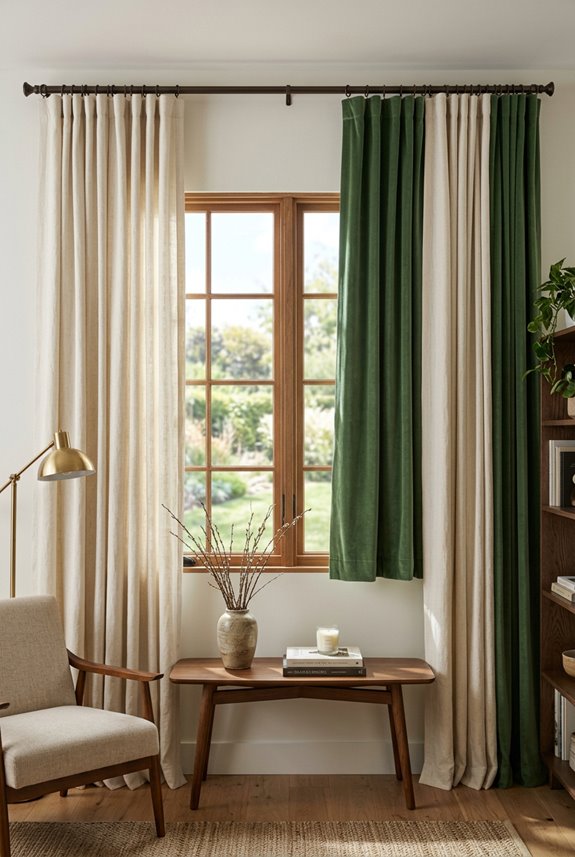
Two panels give you a balanced look with standard fullness. You’ll get about 144 inches of total width, which covers your window beautifully without excess fabric. Four panels offer deluxe or ultra-fullness, creating a more dramatic room look with richer folds.
| Panel Count | Total Width | Fullness Level | Best For |
|---|---|---|---|
| Two panels | 144 inches | 2× (Standard) | Balanced, clean appearance |
| Three panels | 180 inches | 2.5× (Deluxe) | Fuller, elegant drape |
| Four panels | 216 inches | 3× (Ultra) | Maximum drama and luxury |
Your choice depends on your style preference and desired coverage. Two panels work well for most homes. Four panels create dramatic fullness if you want that luxurious look.

PINCH PLEATED DESIGN: Curtains top features 1.5 times length fabric design for an elegant pleated effect. Perfectly presenting a sense of stereoscopic and layering. Whether in living room, bedroom, dining room or sliding door etc, it fit perfectly into a variety of room decor style

100% Blackout Curtains:White backing definitely can block out full sunlight,uv rays and work well in thermal insulating,noise reducing,balance temperature.Providing complete darkness and privacy in a room, which you can enjoy your sweet sleeping anytime

The "Custom-Made" Aesthetic - Achieve the Designer "Custom-Look" for Less. Unlike standard grommet curtains, our signature Pinch Pleat design creates a tailored, architectural elegance found in luxury hotels. The curtains feature Memory Shape Technology, ensuring the deep, uniform folds stay crisp and straight right out of the package, requiring minimal steaming.
Three Width Mistakes That Create Light Gaps and Limp Drapes
Getting your curtain width wrong is easier than you’d think, and it shows immediately.
Most people stumble on these three common mistakes when sizing curtains for a 72-inch window:
- Using 1:1 ratio instead of proper curtain fullness – matching panel width to window width creates flat, lifeless drapes with obvious light gaps
- Underestimating drape fullness – choosing 1.5× multiplier results in limp fabric that won’t stack properly when opened
- Ignoring curtain overlap – forgetting the 2–4 inch panel overlap in the middle causes dark gaps where panels meet
- Over-correcting with excessive fullness – applying 3× multiplier to a 72-inch window creates bulky bunching
Standard curtain fullness of 2× gives you proper fabric coverage. This means 144 inches total panel width for your window treatment. Getting this window treatment calculation right prevents light gaps and produces beautiful drape fullness.

Total Blackout Performance: Meticulously crafted from a rich, textured linen-blend fabric with an integrated blackout interlayer, these curtains block 100% of sunlight and harmful UV rays. They are the ideal solution for night-shift workers needing to sleep during the day, parents creating a nap-friendly environment for babies and children, or anyone who prefers a profoundly dark room for superior sleep quality.

PAIR SOLD: 2 panels in package. Each panel measures 42"W x 84"L| Pair measures 84"W x 84"L. Thread trimmed and wrinkle free, panel is constructed with 6 anti rust grommets which fit well up to 1 1/2 inches curtain rods
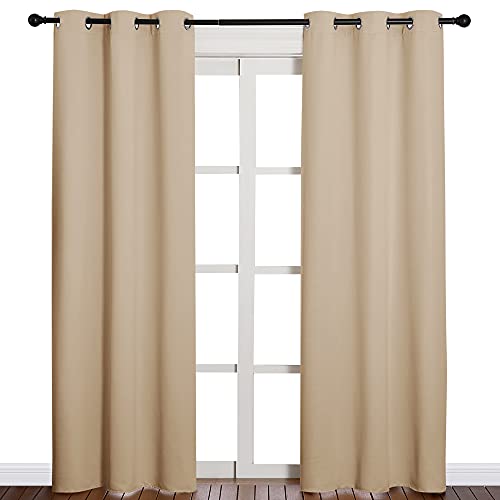
READY MADE: Set includes 2 BLACKOUT PANELS of 42" wide x 84" length with 6 grommets top each. Quality fabric without liner feels soft and heavy.
Adjust Your Curtain Width for Rod Position, Overlap, and Returns
Rod Position Matters
For outside-frame mounting, extend your rod 3–6 inches beyond each window side. This adjustment creates better coverage and a more polished appearance.
Account for Overlap and Returns
Plan 2–4 inches of overlap where your panels meet in the middle. This prevents light gaps and creates a finished look. Returns, the fabric wrapping around your rod, also affect your curtain width calculation.
Calculate Panel Width Correctly
Take your window treatment measurement and round up to the next full measurement. This ensures proper fullness and hang. For each panel, aim for about 2× the window width to achieve balanced drapes.
These adjustments produce a window treatment with proper coverage and visual impact.

PREMIUM QUALITY - Masterly crafted 100% Polyester decorative curtains. Purchase includes 2 curtain panels (Each panel measuring 30" wide and 84" long).

Blackout technology blocks out most unwanted light while enhancing privacy

Ready-Made & Easy to Hang: Includes 2 tier curtain panels, each measuring 26"W x 36"L, for a total width of 52 inches. The fabric loops slide directly onto a curtain rod for quick hanging and create a relaxed, evenly spaced drape. Curtain rod is not included. For a fuller look, choose a total curtain width 1.5 to 2 times your window width.