
Start by measuring your room and testing layouts with painter’s tape. Identify your focal point (TV or fireplace) and orient your sectional toward it.
Choose your chaise orientation (left or right) based on traffic flow and doorways. Preserve 30–36 inches of walkway clearance.
Use an 8×10 or 9×12 rug to ground the space. Decide between floating or wall-backed placement depending on your room size.
These foundational steps ensure comfort, flow, and functionality that will serve you well long-term.
Measure Your Room and Test With Painter’s Tape
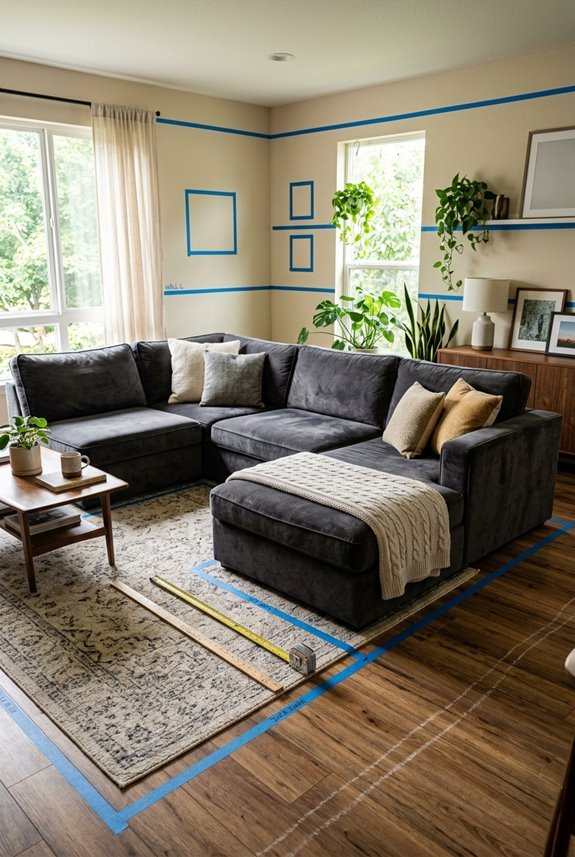
How do you know if your sectional will actually fit?
How do you know if your sectional will actually fit? Use painter’s tape to outline it on your floor first.
Use painter’s tape to outline your sectional’s footprint directly on your floor. This simple method removes guesswork from your layout planning.
Why this works:
- You’ll visualize exactly how much space your sectional occupies
- You can confirm alignment with walls and doorways
- Adjustments happen before heavy furniture arrives
Start by measuring your sectional’s dimensions. Then tape out those measurements on your floor.
This lets you see how the piece relates to your room’s walls and traffic paths. Slide or rotate the taped outline until you’re satisfied.
When you see the actual footprint in your space, you’ll know whether your sectional fits before delivery day.

4 Convertible Modes & Flexible Modular Design: This modular sectional sofa is composed of 2 lightweight L-shaped oversized chaises, designed to bring maximum versatility to your living space. Unlike fixed sofas, it features 4 adjustable using modes—you can freely rearrange and combine the modules according to your daily needs, whether you want a compact layout for small spaces or a spacious setup for gatherings. It effortlessly adds a personalized touch while adapting to any living room style.

Cloud-Like Comfort with Resilient Cushioning: This large U-shaped modular sectional sofa features premium 28D high-resilience sponge filling that delivers soft yet supportive seating. Combined with ergonomic backrest and included throw pillows, it provides excellent lumbar support and contours to your body for all-day relaxation without fatigue.

Soft Corduroy Fabric: Upholstered in smooth, breathable corduroy, this Cloud Sectional Couch features an L-shaped chaise sofa design that blends comfort with quiet elegance. The fine ribbed texture adds visual warmth and provides a luxuriously soft, inviting seating experience
Left-Arm vs. Right-Arm: Which Orientation Fits Your Space?
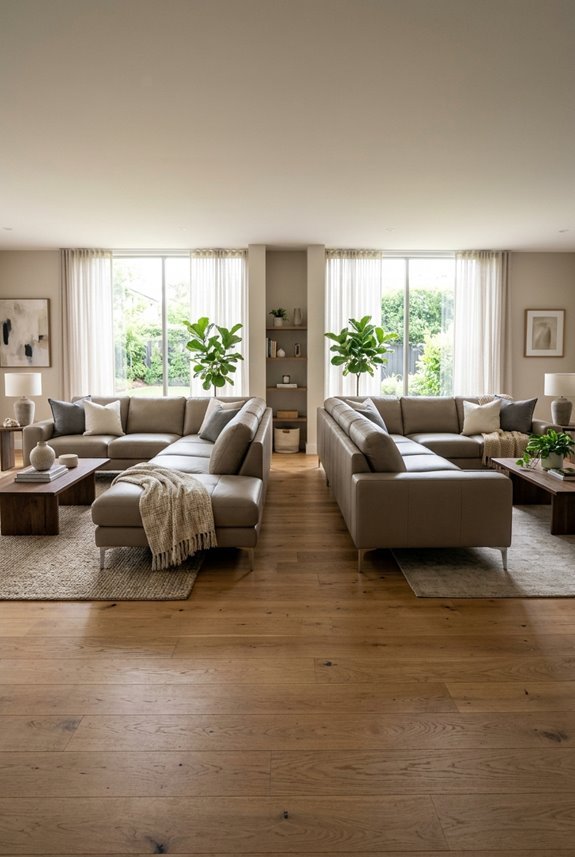
When shopping for a sectional with a chaise, arm orientation—left or right—significantly affects how your sofa fits your room.
Picture yourself looking at the piece from across the room, not from a seated position, to determine which direction works best for your layout.
Once you identify which side the chaise extends from, you can match it to your space and traffic flow.

No Assembly Required, Ready to Use Say goodbye to tedious furniture assembly! Our minimalist sofa requires no tools and offers instant comfort. Simply unpack and relax—experience cloud-like comfort in just a few minutes, with its full luxurious state achieved within 72 hours.

Soft Corduroy Fabric: Upholstered in smooth, breathable corduroy, this Cloud Sectional Couch features an L-shaped chaise sofa design that blends comfort with quiet elegance. The fine ribbed texture adds visual warmth and provides a luxuriously soft, inviting seating experience

Soft Corduroy Fabric: Upholstered in smooth, breathable corduroy, this Cloud Sectional Couch features an L-shaped chaise sofa design that blends comfort with quiet elegance. The fine ribbed texture adds visual warmth and provides a luxuriously soft, inviting seating experience
Understanding Arm Orientation
Why does arm orientation matter? Your arm orientation choice directly shapes how your sectional fits your space and flows with traffic patterns.
What arm orientation means:
When you’re facing your sofa, a left-arm piece has its arm extending to the left. A right-arm piece extends to the right.
This determines where the chaise lands and how people move through your room.
Making your choice:
- Left-arm chaise: Best when your chaise sits on the left side
- Right-arm chaise: Works better when you want the chaise on the right
Consider your room’s doorways and focal points before deciding. You need to avoid blocking pathways or sightlines.
Selecting the correct arm orientation ensures your space functions efficiently and provides the comfort you need.
Matching Configuration To Space
Figuring out which arm orientation works best depends on your room’s layout and how you move through it. Match your sectional to your space using these guidelines.
| Room Feature | Left-Arm Chaise | Right-Arm Chaise |
|---|---|---|
| Doorway on left side | Works well | Better choice |
| Doorway on right side | Better choice | Works well |
| Window wall placement | Consider traffic flow | Consider traffic flow |
| Corner positioning | Flexible option | Flexible option |
| Walkway width | Needs 36″ minimum | Needs 36″ minimum |
Consider where people walk most in your space. Position your chaise away from high-traffic zones to keep the room feeling open.
Measure your doorways and hallways carefully. You need at least 36 inches for comfortable movement.
Test both orientations before purchasing. Your room’s layout requires specific planning based on these measurements and traffic patterns.
Understand Traffic Flow Before Choosing a Style
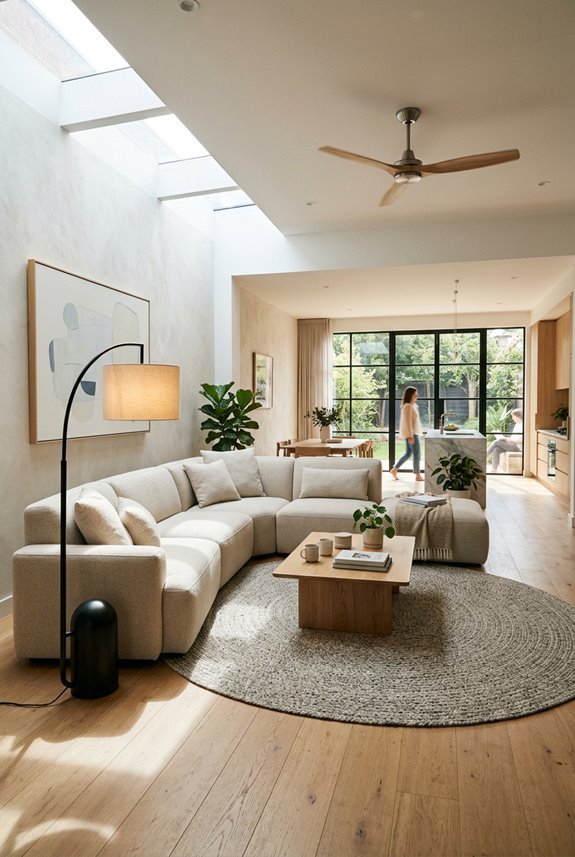
Before you pick your sectional style, think about how people actually move through your room. Traffic flow refers to the natural paths people take from doorways to furniture.
These patterns determine whether your layout works or creates awkward bottlenecks. Map these walkways and position your chaise so everyone can move freely.
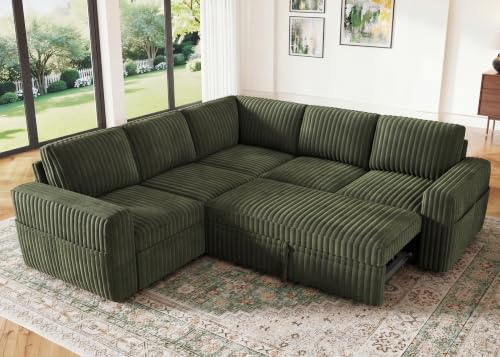
Multifunctional Design: Sofa by day, bed by night. This modular sleeper sectional can easily converts from a comfortable sofa to a spacious bed for guests

COMPRESSED DELIVERY – FITS THROUGH STANDARD DOORWAYS Traditional L-shape sofas often can't make it past 30-inch apartment doors or elevator entries. Ours ships compressed in one box that walks through standard doorways. Unbox, let it expand, and enjoy your new sofa in minutes. Designed for people settling into their first real place.

Designed for Small Spaces: Made for compact space, this modern sofa fits naturally into apartments, studios, offices, or cozy living rooms. The 3 seat layout offers comfortable seating without overwhelming your space, making it an ideal apartment couch for everyday use
Mapping Natural Walkways
Natural foot traffic through your room significantly impacts furniture placement and usability. Visualizing how people actually move through your space before positioning your sectional prevents awkward navigation and creates a functional room for everyone.
Map your walkways using these steps:
- Identify entry points – Note all doors, hallways, and passages people use regularly
- Preserve clear paths – Keep 30 to 36 inches open along main walkways for comfortable movement
- Respect circulation routes – Avoid blocking natural paths between seating areas and exits
If your current layout feels cramped, try these adjustments. Slide the sectional a few inches, rotate it slightly, or pull it from the wall.
For tight spaces, switching the chaise to the opposite side often resolves congestion immediately. Placing the chaise on the low-traffic side keeps your walkways functional and accessible.
Chaise Placement Strategy
Where should your chaise actually go? Place it on the low-traffic side of your room.
This keeps movement clear and prevents people from awkwardly sidestepping around your sectional.
Before you finalize placement, test the traffic flow by imagining typical routes through your space. You’ll want a main walkway of 30 to 36 inches remaining unobstructed around the chaise.
Key placement tips:
- Avoid positioning the chaise between entrances and primary seating
- Switch the chaise to the less-trafficked side if movement feels constricted
- Consider reorienting or rotating your sectional slightly to reopen natural pathways
These adjustments preserve how people naturally move through your room without forcing redesigns. Your sectional layout works best when it enhances rather than disrupts everyday flow.
Preventing Layout Bottlenecks
Traffic flow can make or break your sectional layout. What looks perfect on paper often feels cramped in reality.
Your movement through the room matters just as much as the sofa itself.
To prevent bottlenecks in your sectional layout:
- Maintain 30-36 inch walkways around your sectional for comfortable movement
- Use painter’s tape to outline your sofa before delivery and spot traffic issues
- Adjust placement strategically by sliding, rotating, or pulling away from walls to reopen pathways
If traffic flows on both sides, place the chaise on the less-traveled side. This shift reduces bottlenecks without replacing your sofa.
Anchor everything with an 8×10 or 9×12 rug, keeping front legs on it while leaving clear paths. The improved flow becomes immediately noticeable.
Face Your Best Wall: Focal Point Placement
How you arrange your sectional depends on one key decision: what’s your main focal point?
Before positioning your sectional sofa, identify whether you’re anchoring to a TV or fireplace. This choice shapes your entire layout and creates the foundation for comfort.
Identify your focal point—TV or fireplace—before positioning your sectional. This foundational choice shapes your entire layout and comfort.
Why focal points matter:
- They guide where everyone naturally looks
- They organize your seating arrangement
- They make your space feel intentional
Once you’ve chosen your focal point, orient your sectional sofa directly toward it. This ensures sightlines stay clear and conversation flows naturally.
Consider right-angle configurations if you have both a TV and fireplace. This approach acknowledges both without forcing awkward positioning.
Your focal point becomes the anchor that everything else follows. A thoughtfully chosen focal point results in a balanced, welcoming layout.

Ultra-Soft Low Pile Rug: Gent drizz living room rugs 8x10 made of Upgraded durable low pile faux wool fibers, 0.25'' thick, featuring a soft fuzzy density surface, soft and pliable to the touch, providing great comfort for your bare feet. The low pile makes it easy for your Large area rug to clean and is perfect for homes with kids and pets

CLASSIC VINTAGE AESTHETIC BEIGE RUG: The area rug 8x10 features a harmonious blend of beige tones that evoke a timeless vintage charm, making it an ideal addition for any room in your home—from retro bohemian and rustic farmhouse to modern minimalism. Perfect rugs for living room, bedrooms, dining room rugs for under table, entryways, playrooms, or home offices, this 8x10 rug serves as the finishing touch to your interior flooring decor

Trendy Modern Rug: Our area rug is designed in today's popular minimalist style, featuring adaptable printed patterns that seamlessly blend into a wide range of interior aesthetics. This neutral rug adds understated elegance with a strong feeling of individuality to your living room, bedroom, dining room, nursery or playroom.
L-Shaped Sectionals: Defining Zones While Preserving Flow
L-shaped sectionals are powerful tools for organizing your living room into distinct zones. They create separate seating areas without making your space feel cramped or cluttered.
To make yours work:
- Anchor with a coffee table and rug to define your seating zone and guide traffic flow naturally around the perimeter
- Maintain 30 to 36 inches of clear walkways so people move through your room comfortably
- Adjust placement strategically by sliding the sectional a few inches, rotating it, or positioning the chaise on the less-trafficked side if needed
Start by taping out your sectional’s footprint on the floor. This helps you visualize the actual scale before committing.
You’ll see exactly how much space remains for movement. When you get the layout right, your sectional enhances flow instead of blocking it.

【L Shaped / U Shaped Boneless Cloud Couch】Filled with high-density, high-resilience memory foam, this modular sofa delivers the perfect balance of cloud-like softness and firm support.The sofa comfortably accommodates 3+ adults without sagging. The 26" deep seat and 15.7" seat height offer ergonomic comfort for extended lounging, movie nights, or napping.

Modular Design Flexibility: Easily rearrange the modular sectional sofa to fit your living room layout and style, offering versatile seating options for any space.

Perfect Small Couch for Apartments: This compact L-shaped sectional couch is designed for apartments, studios, dorms, and small living rooms. The space-saving layout offers comfortable seating without overwhelming your room.
U-Shaped Sectionals: When You Need Maximum Seating
U-shaped sectionals work wonderfully when you have a larger room and want to seat more people comfortably.
Understanding the right room sizes, how these layouts create multiple seating areas facing each other, and why traffic flow matters will help you optimize your space.

Cloud-Like Comfort: Featuring 3D cutting technology, the memory foam sofa is filled with 30D elastic foam, providing excellent support and resilience for a more comfortable seating experience. Experience cloud-like comfort the moment you sit down

No Assembly Required, Ready to Use Say goodbye to tedious furniture assembly! Our minimalist sofa requires no tools and offers instant comfort. Simply unpack and relax—experience cloud-like comfort in just a few minutes, with its full luxurious state achieved within 72 hours.
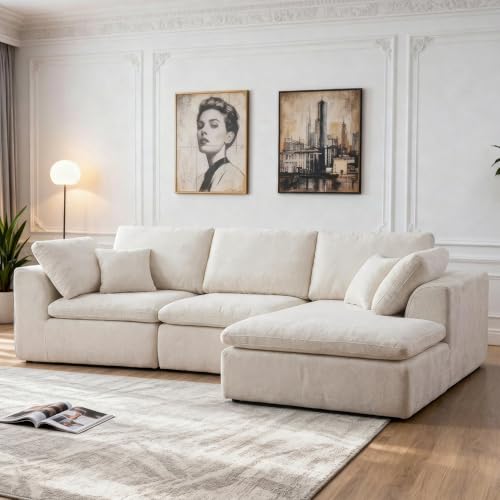
【110" Deep L-Shaped Chaise Lounge】 Designed for ultimate relaxation, this 110-inch boneless sectional features a dedicated chaise configuration (Right/Left facing) that creates a cohesive L-shaped look. Unlike floating pieces, this layout anchors your living room, providing a spacious deep seat lounge area to fully stretch out your legs. Ideally suited for corner placement, offering the immersive comfort of a cloud couch with a structured, high-end aesthetic.
Ideal Room Sizes And Spaces
When you’re planning seating for larger gatherings, a U-shaped sectional delivers what other layouts can’t. These sectional sofas work best in spacious rooms where they have adequate space.
Here’s what works best:
- Living rooms 300+ square feet – You’ll have room for the sectional to float or anchor against walls comfortably
- Open-plan spaces – Multiple zones form naturally, letting conversations flow between different areas
- Rooms with clear walkways – Plan perimeter paths around your sectional sofas to keep movement unobstructed
The key is ensuring entry points stay accessible. Measure your space first, then position the sectional where it creates distinct seating zones without blocking doorways.
Consider modular options too. They adapt as your needs change, making your investment more versatile and functional.
Creating Multiple Facing Areas
How do you fit everyone comfortably when your guests arrive?
A U-shaped sectional does exactly that. This layout creates multiple conversation zones where everyone faces each other naturally.
Your guests won’t feel like they’re sitting in rows.
Why U-Shaped Sectionals Work:
- They form a cocooned central area perfect for gathering
- Multiple seating faces encourage conversation and connection
- They accommodate more people than standard layouts
Making It Work in Your Space:
You’ll need adequate floor space, typically 300+ square feet. Position your sectional against walls or freestanding to define distinct seating areas.
Add a coffee table and area rug to anchor the zones.
This arrangement ensures traffic flows smoothly while keeping everyone included. Your sectional becomes the heart of your home.
Traffic Flow And Movement
Where does everyone actually walk in a room arranged with a U-shaped sectional? Traffic flow requires careful planning to keep your space functional and welcoming.
Consider these three essential movement strategies:
- Keep pathways clear – Leave at least 18 inches of open space around the U’s ends for comfortable walking.
- Avoid blocking doorways – Position your sectional so it doesn’t force people to squeeze through tight gaps.
- Maintain the center open – The space between the U’s arms should stay unobstructed for easy movement and table placement.
When you float your U-shaped sectional away from walls, you’re creating distinct zones while preserving entry points from multiple directions. This balanced approach ensures everyone moves freely while enjoying the generous seating your layout provides.
Modular Sectionals: Flexibility for Evolving Spaces
Why should you settle for a sofa that doesn’t grow with your life? Modular sectionals let you reshape your seating as your needs change.
You can rearrange pieces to form different shapes for various room layouts. These sectionals move easily through tight hallways since modules are removable or lightweight.
Once delivered, they reassemble perfectly on-site.
Modular sectionals reshape your seating as your life changes, adapting to any room layout with removable, lightweight pieces.
Getting the Right Configuration
- Use interactive sectional builders to plan your layout
- Work with designers who help visualize your space
- Choose configurations for gatherings, lounging, or intimate settings
Many retailers offer free design services before purchase. This support helps you see exactly how pieces fit your room.
With modular sectionals, you’re not locked into one arrangement. Your furniture adapts when your life does.

Designed for Small Spaces: Made for compact space, this modern sofa fits naturally into apartments, studios, offices, or cozy living rooms. The 3 seat layout offers comfortable seating without overwhelming your space, making it an ideal apartment couch for everyday use
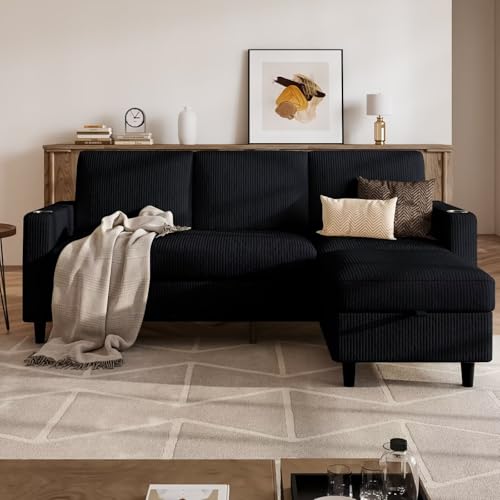
Smart Flexibility: The L shaped couch adapts easily to your space with a reversible ottoman that switches sides in seconds, creating cozy chaise sofas for lounging or movie nights. Built-in cup holders on the armrests keep drinks secure, making everyday relaxation feel effortless

Multifunctional Design: Sofa by day, bed by night. This modular sleeper sectional can easily converts from a comfortable sofa to a spacious bed for guests
Curved and Angled Chaise Options for Modern Appeal
When you’re ready to move beyond straight lines, curved and angled chaise sectionals bring style to your space. These designs work particularly well in modern homes.
Here’s what makes them effective:
- Sculptural appeal – They add visual interest while maximizing seating in larger rooms
- Comfortable lounging – Angled chaises offer modern twists with edge-to-edge comfort configurations
- Better flow – Curved designs soften sharp corners and improve sightlines around focal points
These sectionals adapt beautifully with modular pieces. As your life changes, your furniture can change too.
Pair your curved and angled chaise sectionals with round coffee tables to reduce sharp corners further. This combination creates a welcoming, walkable space that feels intentional and inviting for everyone.

TIPS:When the area rugs arrive there will be some creases at the beginning, please don't worry, gently smooth them out,flatten them on the floor and walk around, the creases will disappear in a few days.

Modern Abstract Decor Rugs: The modern abstract rug 8x10 with modern neutral abstract design whether placed the carpet on the floor of living room, bedroom, or dining room rugs for under table, can integrated with home spaces perfectly, make your home space full of vitality

Soft & Durable: This 8x10 area rug low-pile combines soft faux wool fibers with a 0.25-inch height for comfort. Tight weaving reduces shedding and edge fraying, making it perfect for high-traffic areas like living rooms, bedrooms, and entryways
Sofa Chaise Sectionals: Compact Comfort and Versatility
A sectional with a chaise solves the challenge of fitting a lounging spot into a room with limited space. Pairing a chaise with your main seating preserves the compact footprint you need.
Why Choose a Chaise Sectional?
You get feet-up lounging without losing seating capacity. Reversible options let you switch sides whenever your layout needs change.
Modular pieces give you flexibility to reconfigure as your space evolves.
Smart Placement Tips
Position your chaise on the less-trafficked side. This keeps walkways clear and prevents bottlenecks in your room.
In larger spaces, combine your chaise sectional with an L-shaped base for maximum seating while maintaining cohesive flow throughout your home.

【L Shaped / U Shaped Boneless Cloud Couch】Filled with high-density, high-resilience memory foam, this modular sofa delivers the perfect balance of cloud-like softness and firm support.The sofa comfortably accommodates 3+ adults without sagging. The 26" deep seat and 15.7" seat height offer ergonomic comfort for extended lounging, movie nights, or napping.

Engineered for Lasting Comfort & Support: We built this sofa around the perfect seat. The high-resilience foam core provides a luxurious, sinking feeling that doesn’t bottom out, while the sturdy frame and high back ensure proper support for your neck, shoulders, and back. The extra-deep 27-inch seat and integrated chaise invite you to fully stretch out and relax, whether you're binge-watching your favorite show or enjoying a weekend nap.

Modular Flexibility: This modern modular sofa features a flexible design that can be freely rearranged into various configurations to fit your space. Whether you're furnishing a large open area or a compact apartment, our Boneless Sectional Couch effortlessly adapts to your changing needs and personal style
Where to Put the Chaise: Low-Traffic Placement
The spot you choose for your chaise affects how well your sectional functions. Positioning is critical for creating a functional living space.
Here’s what to do for optimal placement:
- Place the chaise on the low-traffic side to keep walkways clear and reduce interruptions while relaxing.
- Swap sides if needed when movement occurs on both sides, preserving natural flow through your room.
- Keep it away from entrances to avoid bottlenecks and awkward viewing angles.
For tighter rooms, position the chaise opposite the sofa to open circulation paths. This strategy ensures sufficient space around your sectional for easy movement.
Thoughtful placement creates an environment where everyone moves comfortably through the room.
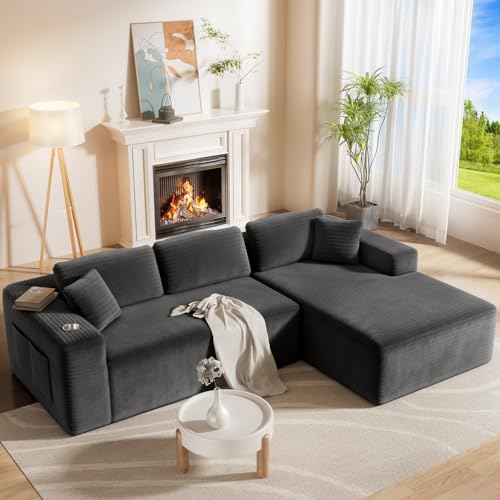
1 Package = Complete Sofa: This modular sectional sofa ships in a single box—no waiting for multiple shipments, no assembly hassles. Enjoy fast, convenient delivery, and...
Anchor Your Layout With the Right Rug Size
I want you to think of your rug as the foundation that ties your whole sectional setup together. The right rug size keeps your seating feeling balanced and creates clear zones in your living room.
Explore how to pick the perfect dimensions and placement for your space.
Rug Dimensions and Sectional Proportion
Want your sectional to feel grounded and intentional. The right rug size transforms your layout from scattered to cohesive.
Check your sectional’s footprint before selecting a rug:
- Place front legs on the rug – This anchors your seating and creates visual connection to the space.
- Extend the rug under your main seating area – You’ll establish proper scale and proportion that feels balanced and intentional.
- Size up if needed – Standard 8×10 feet works for typical rooms, but larger spaces benefit from 9×12 feet. If your arrangement feels cramped, go bigger.
A rug that’s too small disconnects your sectional from the room. The right rug size unifies everything and creates a cohesive, welcoming space.
Defining Zones With Rug Placement
Your rug does more than just add comfort; it’s a powerful tool for organizing your room. Strategic rug placement creates distinct zones that tie your sectional, coffee table, and accessories together visually.
Key placement guidelines:
- Position the rug so front sectional legs sit directly on it
- Allow 16–18 inches of clearance between your coffee table and seating
- Choose 8×10 for standard rooms or 9×12 for larger spaces
When your rug properly anchors the seating area, you create a cohesive gathering space that feels intentional and balanced. A rug that’s too small leaves your layout feeling scattered and cramped.
The right size connects everything, making your sectional arrangement feel grounded and complete. This approach transforms separate furniture pieces into one unified design.
Traffic Flow and Clear Pathways
How does furniture placement affect the way people move through your room? Your sectional’s position directly shapes how easily people navigate your space.
Maintaining clear pathways makes your room feel more welcoming and functional.
To keep traffic flowing smoothly:
- Preserve 30–36 inches of walkway clearance around your sectional for natural movement
- Position the chaise on low-traffic sides to prevent sidestepping and bottlenecks
- Adjust placement slightly if blocking occurs by rotating, sliding a few inches, or pulling away from walls
Respect pedestrian paths throughout your layout. When movement gets cramped, make small adjustments immediately.
Your sectional should invite people in, not force them around corners. This approach creates a space where everyone feels comfortable and connected.
How Close Should Your Coffee Table Be?
| Spacing Guideline | Distance | Best For |
|---|---|---|
| Minimum clearance | 16 inches | Smaller rooms |
| Ideal range | 16-18 inches | Most layouts |
| Maximum comfortable | 18 inches | Larger spaces |
| Too close | Under 16 inches | Avoid this |
Position your table within easy reach from all seating spots. This reinforces how your furniture relates to each other while keeping movement smooth.
If your space feels tight, adjust the table’s size or shape rather than widening clearance. This preserves your traffic paths and creates visual balance throughout your seating zone.
Floating vs. Wall-Backed: Which Placement Works Best
Should your sectional hug the wall or float in the room? Both sectional layouts work well; it depends on your space and lifestyle.
Consider these key differences:
- Wall-backed placement anchors your TV or fireplace and maximizes wall space efficiently.
- Floating sectionals emphasize openness and flow, creating distinct zones in your room.
- Traffic patterns matter most. Floating requires 30 to 36 inches of main walkways for natural movement.
For floating arrangements, position your sectional away from walls to define separate areas. This works well for larger rooms where you want flexibility.
Wall-backed sectionals suit smaller spaces better. They create a focused anchor point and save floor space.
Ground either layout with a rug extending under the main seating area. Place front legs on the rug to reinforce relationships between furniture pieces.
Common Layout Mistakes and How to Avoid Them
Where do most people go wrong with sectional layouts? They block natural walkways without realizing it.
This happens frequently; a sectional fits on paper but restricts movement in reality.
Sectionals often block natural walkways without realizing it—they fit on paper but restrict movement in reality.
Quick fixes I recommend:
- Slide your sectional a few inches to open pathways
- Rotate it slightly for better traffic flow
- Pull it away from the wall if needed
Placement strategy: Position your chaise on the less trafficked side. This preserves clear paths through your room and prevents awkward squeezes between furniture and walls.
Before delivery: Use painter’s tape to outline your sectional’s footprint on the floor. This preview helps you adjust for proper traffic flow beforehand.
Finally, anchor everything with a rug. Place the sectional’s front legs on it, extending underneath your main seating area for proportional flow.
When to Customize: Design Solutions for Odd Spaces
How can you fit a sectional into a room that doesn’t follow standard rectangular rules? A modular sectional gives you the flexibility you need.
- Measure your unique angles and alcoves carefully before shopping for pieces
- Use Bassett’s free design services to translate your room’s quirks into workable layouts
- Try interactive sectional builders online to test configurations without commitment
Reversible chaise components let you flip pieces to match irregular entry paths. You can arrange modules into L-shapes, U-shapes, or curved formations that fit your actual space.
Build Your Own Bassett options connect you with designers who understand unconventional layouts. A standard sectional forced into a non-standard room creates wasted space and awkward proportions.
Customizing instead ensures your sofa setup actually works for your room’s specific dimensions and layout challenges.